What Drives Custom Packaging Cost: A Pricing Guide for Brands
What actually shapes custom packaging cost: materials, finishes, structure, and production volume. A clear pricing guide for brand buyers.

Table of content
There is no single price for custom packaging, because a custom box is not one product. It is a stack of decisions, and each one moves the number. That is why two brands can ask for "the same box" and get quotes that are far apart.
This guide breaks down exactly what you are paying for, why quotes vary so much, and where you actually control the cost. By the end you will be able to budget realistically and read a quote like someone who knows what sits underneath it.
Why two quotes for "the same box" are different
A quote is only as specific as the brief behind it. When the spec underneath is loose, every manufacturer fills the gaps differently, and the prices diverge.
The same outer box can be quoted on lighter or heavier board, wrapped or printed direct, with one finish or three, at different minimums, and with or without an insert. None of that is visible in a photo, but all of it is in the price. So before comparing quotes, the real question is not "who is cheaper," it is "are these quotes even for the same thing."
The custom packaging cost stack
Every quote is built from the same set of drivers. Understanding them is how you estimate a budget and spot what is inflating a price.
The two heaviest levers are material and volume. Brands tend to focus on print and finishes, which matter less to the total than the board they choose and the quantity they run.
One-time cost vs per-unit cost
This is the part most guides skip, and it explains nearly everything about why custom packaging is priced the way it is.
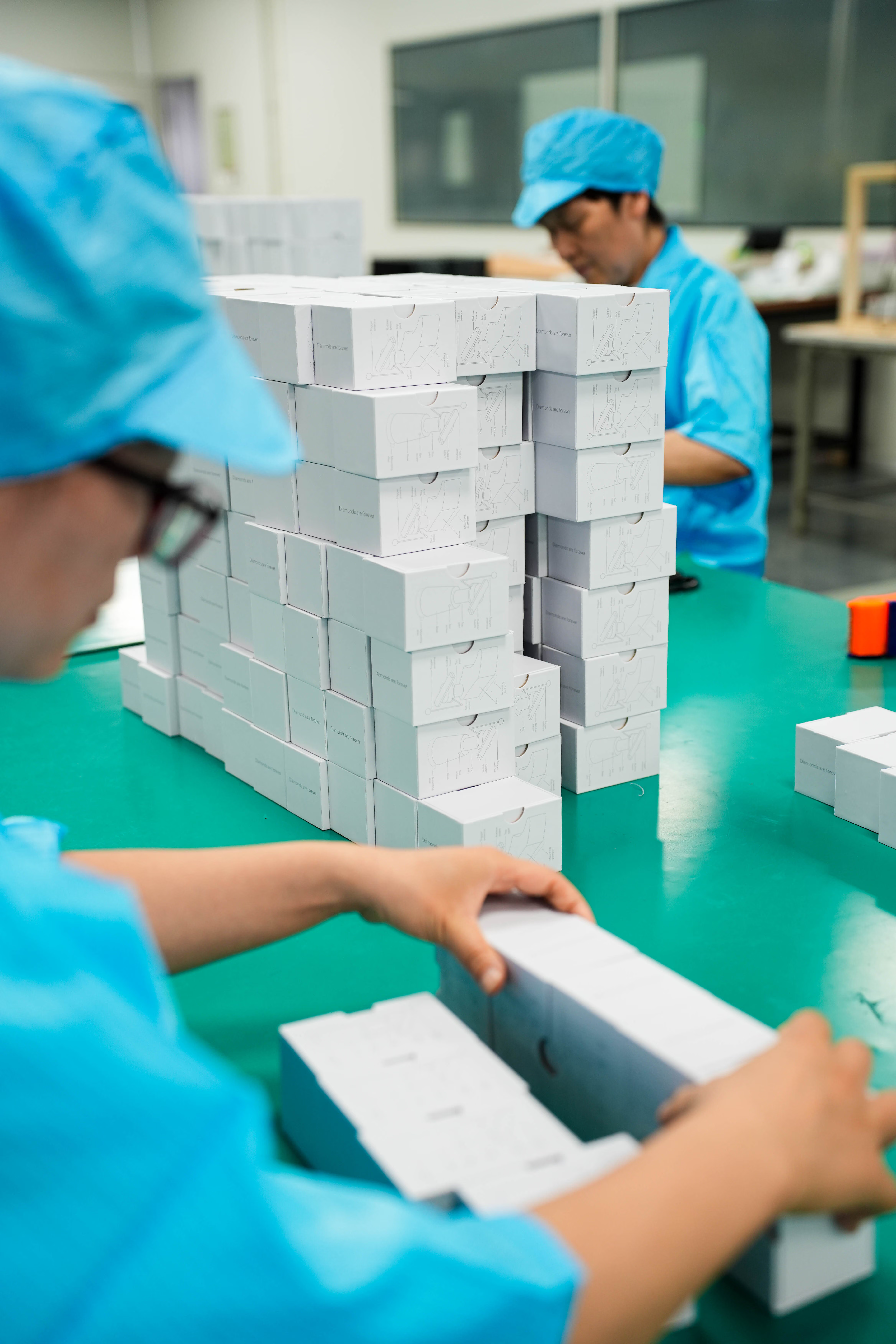
Some costs are one-time: the die that cuts your box shape, the plates for printing, the make-ready to set up the press, and your samples. You pay these once, no matter how many boxes you make. Everything else (material, printing, finishing, labor per box) is per-unit.
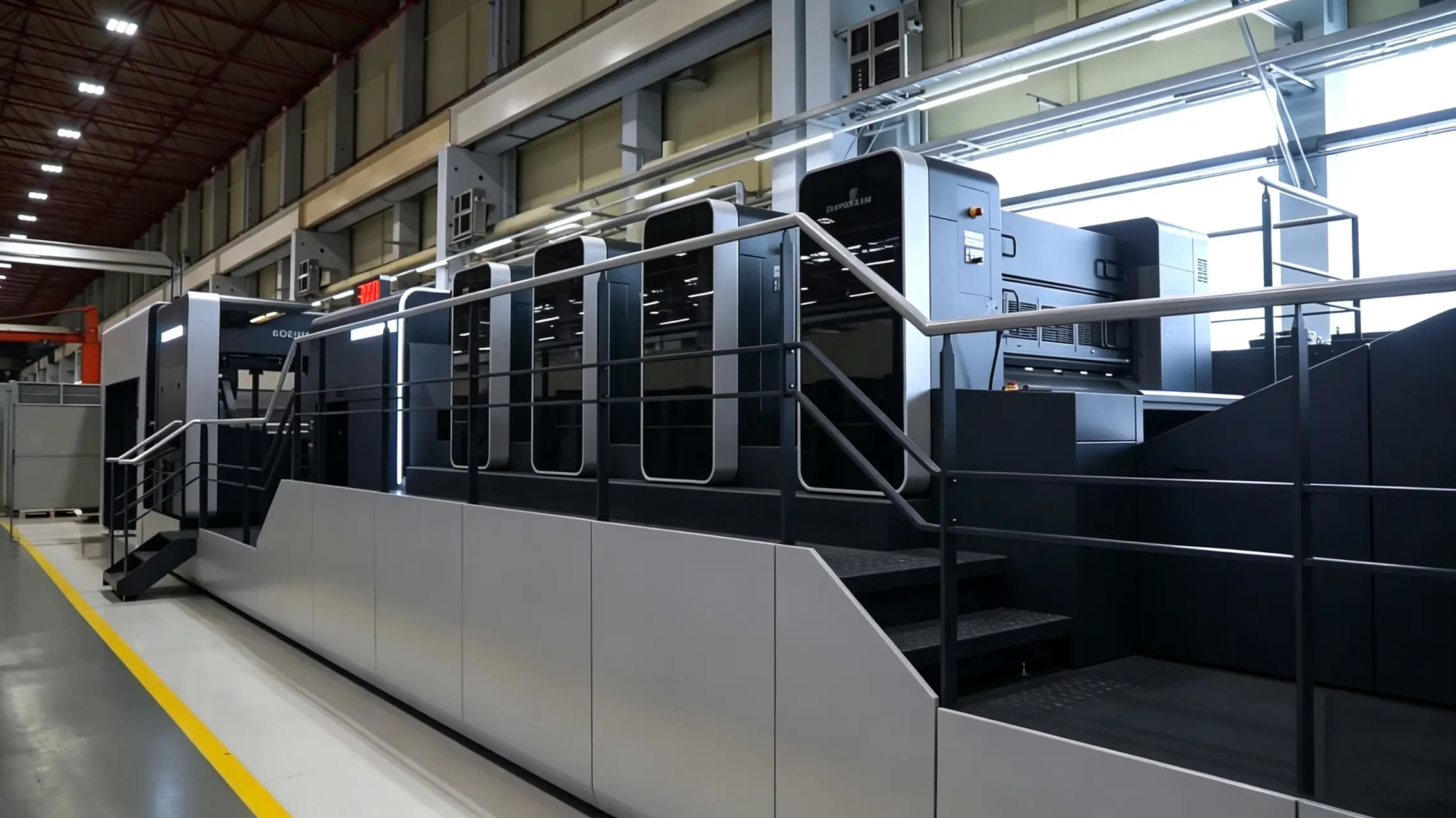
Because the one-time costs are spread across the whole run, a small quantity carries a high share of them, which is why low volumes feel expensive per box. As volume rises, those fixed costs spread thinner and the per-unit price drops. This is the real mechanism behind "price per unit at higher quantity," and it is worth planning your volume around rather than treating it as a discount you negotiate.
Why there is no fixed price, and how much volume moves it
Volume moves the per-unit price more than most brands expect, which is exactly why an honest manufacturer will not hand you a rate card. Take one rigid box at a single, fixed spec: the per-unit price at a launch quantity can be several times higher than the same box at high volume, because the one-time costs spread across far more units and the run gets more production-efficient.
Nothing about the box changed. Only the quantity did. That is the whole reason "what does custom packaging cost" has no fixed answer, and why the only number worth trusting is a quote against your real spec and volume.
What each format costs, relative to the others
Structure is one of the biggest levers, so the format you choose sets your cost band before anything else is decided. From lowest to highest, broadly:
Folding cartons are the most cost-efficient for volume retail. Corrugated boxes and mailers sit in the middle and suit shipping-first products. Rigid boxes cost more because they use heavier board and more hand assembly, which is exactly what gives them their premium weight and feel. Specialty structures (magnetic closures, drawers, multi-piece sets) sit at the top.
Choosing the format that fits your product and price point is the single biggest budgeting decision, so make it before you get attached to finishes.
How to control cost without cutting quality
Lowering cost does not mean lowering the result. It means specifying with intent.
Right-size the board to the product instead of over-speccing weight. Choose one hero finish rather than three competing ones, which usually looks more premium anyway. Keep the structure as simple as the product allows. Plan your volume to reach a sensible per-unit rate rather than running small repeat batches that each carry the setup cost again. And lock the spec before sampling, because re-sampling and last-minute changes are where avoidable cost creeps in.
What does not lower cost in a way worth having: dropping to a board so light the box feels cheap, or cutting the sample step. Both cost more later in returns, reorders, and brand damage.
How to get an accurate, comparable quote
The fastest way to a real number, and to quotes you can actually compare, is a complete brief. Give a manufacturer this and the guesswork disappears:
- Dimensions of the product and the box
- Format and board: carton, rigid, or mailer, with a weight if you have one
- Finishes: which ones, and where
- Print: number of colors, or supply artwork
- Quantity: the volume you actually plan to run
- Deadline: your on-shelf or launch date
- Sample: request a pre-production sample to sign off before the full run
When every manufacturer quotes against the same brief, the comparison is finally apples to apples.
GUKA quotes custom packaging for brands worldwide across cartons, rigid boxes, and specialty structures, with sampling before production and international delivery. Request a quote with your spec, or send what you have and we will tell you what is missing to price it accurately.
Recommended for you
.avif)
.avif)
.avif)
.avif)



.avif)
.avif)
You Might Enjoy


Are we right for each other?
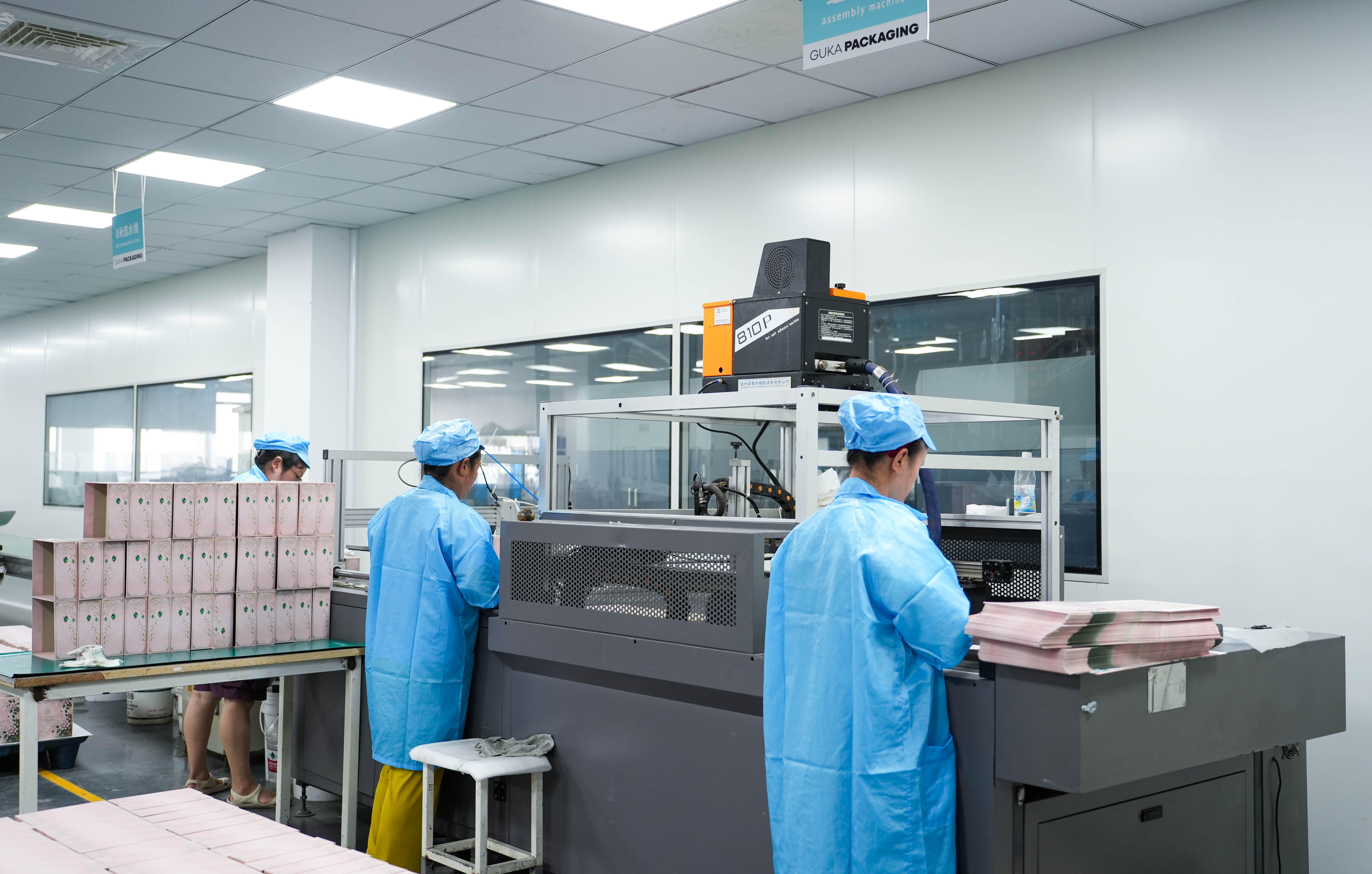
We work best with brands that treat packaging as part of the product, not as the last thing on the list. To save us both time, here is who we work with best.
We're probably not the right fit if:
- Orders under $1,000.
- A few boxes, one time.
- Lowest quote wins.
- No conversation, just add-to-cart.
- Brand direction still up in the air. Our FAQ covers the basics first: process, scale, sampling, finishing, production. Worth reading before submitting anything.
We're a strong fit if:
- Projects starting around $1,000 and up.
- Sampling before production makes sense to you. It runs from $300, though complete artwork and locked specs can sometimes skip straight to the line.
- There's real budget behind the packaging, and an expectation that production standards get defined properly.
- What's needed is a manufacturing partner across structure, material, process and delivery. Not a print shop taking a file.
- The box has a job: retail shelf, gifting, unboxing. It has to carry the brand.
- Getting it right matters more than getting it cheapest.
Sound like your project? Let's talk
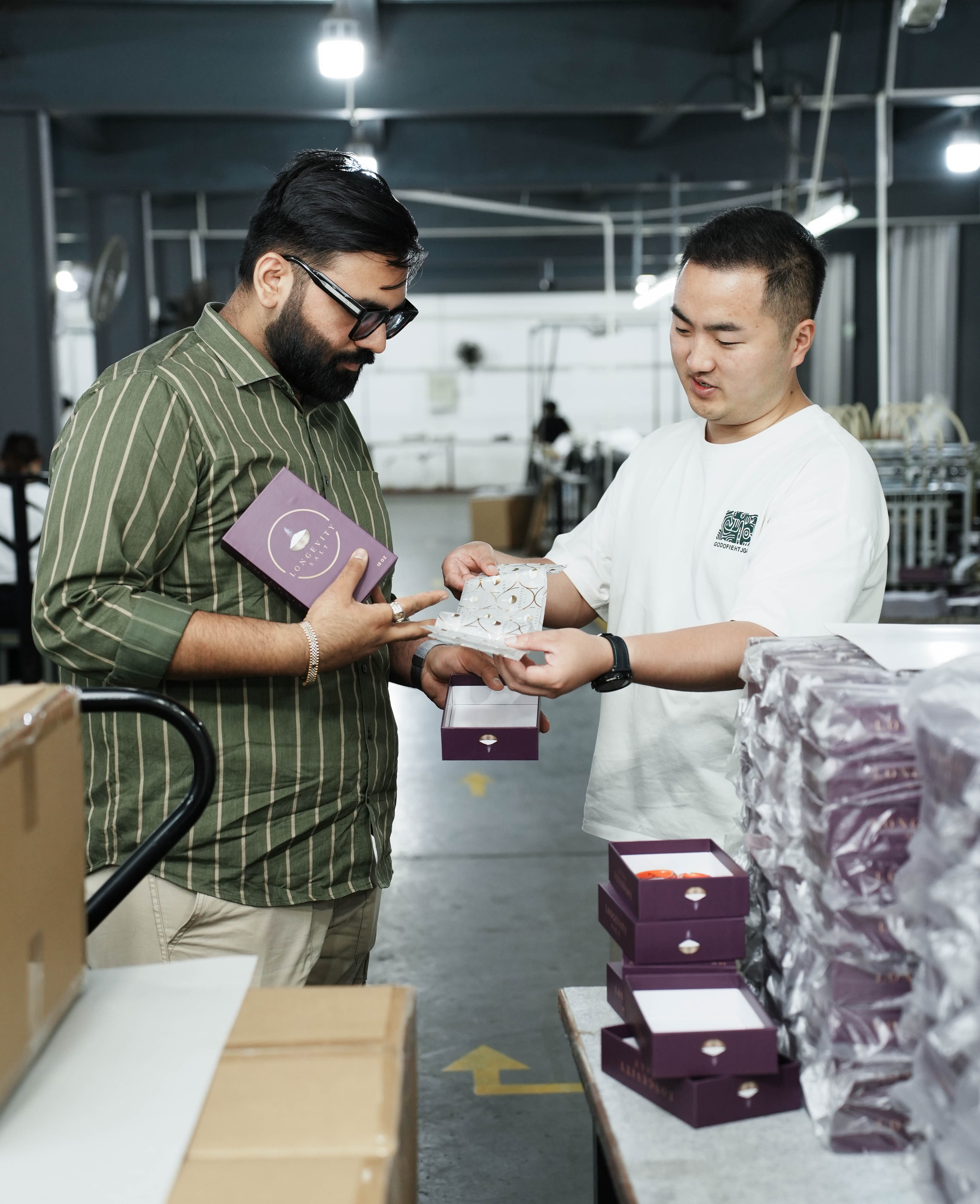
What happens after you submit
1. A specialist reviews your project, usually within 1 business day.
2. We follow up with questions, options, and indicative pricing.
3. Once the spec is confirmed, we move to sampling.