How to Enhance Product Value through Customized Packaging (Material Edition)
Discover effective strategies to enhance your product value through customized packaging. Learn how tailored designs can elevate your brand and attract customer

Table of content
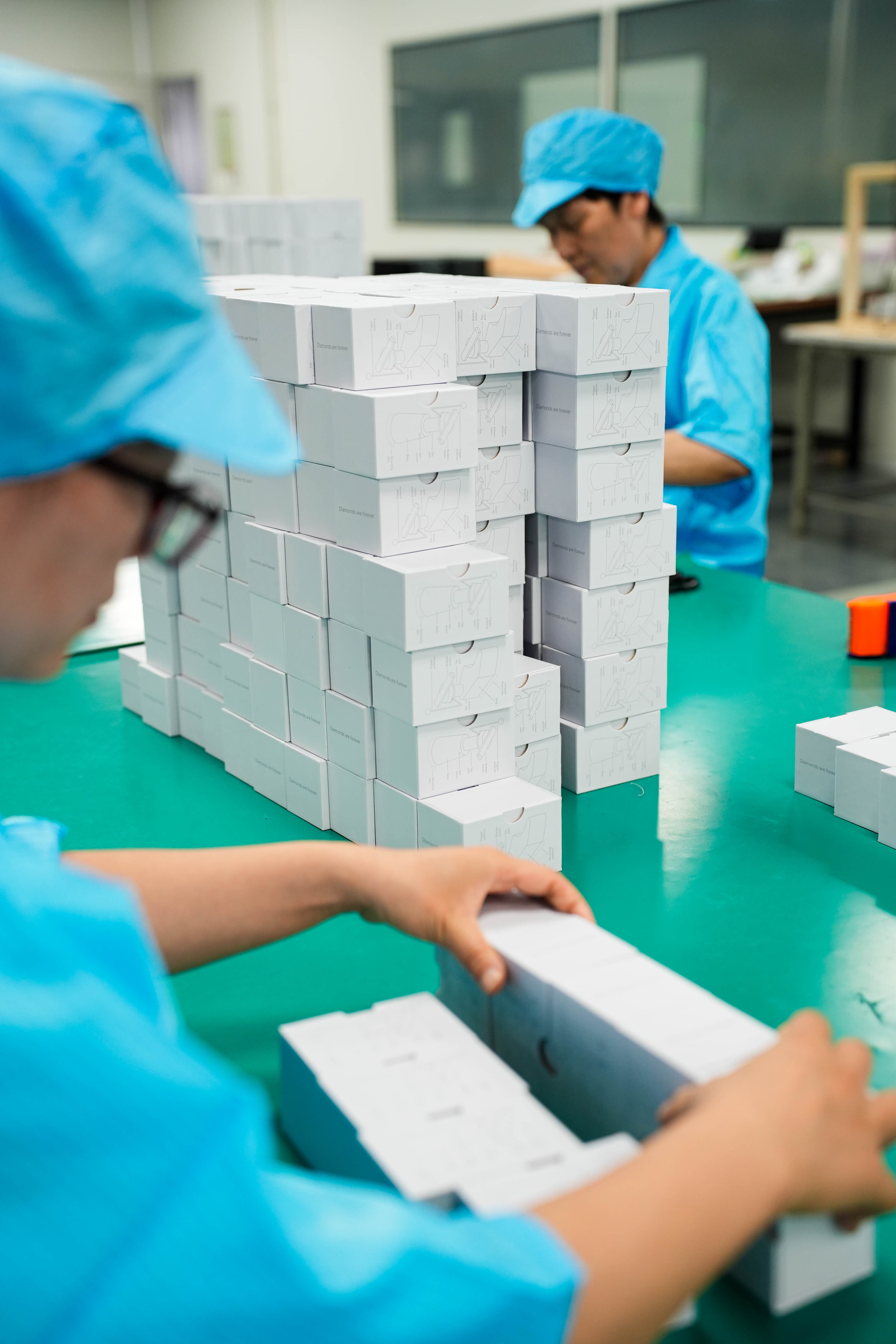
In today's competitive market environment, product packaging has become a crucial means for businesses to capture consumers' attention. Thoughtfully designed packaging not only protects the product but also elevates its perceived value, increasing consumer desire to purchase. Among the many elements of packaging, the choice of material is especially important as it directly influences the product's quality image and market positioning. This article explores how to enhance product value through customized packaging materials.
Selecting High-Quality Materials is a Key Factor
Choosing high-quality packaging materials can create an excellent first impression when consumers initially encounter a product, effectively elevating its perceived value and quality.
High-end brands targeting a premium market should consider using superior, finely crafted materials like solid wood, metal, or high-grade leather. These materials highlight the brand's luxury and exclusivity. Meanwhile, eco-friendly, high-quality special papers—such as heavyweight kraft paper, textured embossed paper, or pearlescent paper with a subtle sheen—can communicate both a sense of sophistication and the brand's commitment to sustainability. Additionally, using natural or premium materials like fabric, wood, or metal enhances the high-end appeal, allowing consumers to feel the unique charm and quality of the product through both sight and touch. Such materials not only improve the product's aesthetic but also add to its value.

Combining with Production Techniques
Packaging can be made more artistic and unique through techniques like hot stamping, UV printing, embossing, and die-cutting. Decorative techniques like embroidery, inlaying, and stitching also add value to the product, enhancing its exclusivity and appeal.

Functional Design
Durability: For products that require long-term storage or frequent use, choosing highly durable materials is essential. Using thick cardboard or sturdy plastic for packaging can significantly enhance protection. Thick cardboard resists heavy pressure, preventing damage during transit, while durable plastic offers excellent impact resistance to safeguard against shocks. These materials ensure product safety, extending its usability and adding lasting value for the consumer.

Functional Additions: Integrating functional designs, such as moisture resistance, shockproofing, and freshness preservation, is a smart choice when selecting packaging materials. Moisture resistance protects the product from humidity, which is especially vital for items that easily deteriorate in damp environments. Shockproof designs provide extra protection during transportation, preventing damage from bumps or impacts. Freshness preservation is ideal for perishable products, such as food, to extend shelf life and ensure consumers receive fresh items. These functional design packaging not only protect the product but also improve consumer experience, increasing practicality and enhancing satisfaction and loyalty.

Sensory Experience: Sensory experience plays a critical role in packaging design. By considering the tactile, auditory, and visual effects of materials, brands can significantly enhance consumer experience. For instance, silk packaging provides a smooth, pleasant touch, while wood conveys warmth and a natural feeling, creating a cozy atmosphere. The sound of unwrapping, like the crisp sound of plastic or the soft sound of paper, can also offer unique sensory experiences. These details not only capture consumers' attention but also leave a lasting impression, improving the overall consumer experience.
Environmental Awareness
In today's society, environmental issues are increasingly prioritized. When opting for customized paper packaging, choosing paper certified by FSC or PEFC is essential, as it greatly enhances a company's social responsibility image. This approach showcases a commitment to environmental sustainability, building a positive public image and attracting eco-conscious consumers’ trust and support.

Conclusion
In conclusion, by carefully selecting and customizing packaging materials, businesses can enhance product quality and effectively increase added value. This strategy not only helps companies stand out in the market but also fosters consumer loyalty, establishing a solid foundation for long-term growth. In the future market competition, the use of eco-friendly packaging materials will be a crucial strategy that companies cannot afford to overlook.
Recommended for you
.avif)


.avif)
.avif)


.avif)
.avif)


.avif)
.avif)
You Might Enjoy


Are we right for each other?
We work best with brands that treat packaging as part of the product, not as the last thing on the list. To save us both time, here is who we work with best.
We're probably not the right fit if:
- Orders under $1,000.
- A few boxes, one time.
- Lowest quote wins.
- No conversation, just add-to-cart.
- Brand direction still up in the air. Our FAQ covers the basics first: process, scale, sampling, finishing, production. Worth reading before submitting anything.
We're a strong fit if:
- Projects starting around $1,000 and up.
- Sampling before production makes sense to you. It runs from $300, though complete artwork and locked specs can sometimes skip straight to the line.
- There's real budget behind the packaging, and an expectation that production standards get defined properly.
- What's needed is a manufacturing partner across structure, material, process and delivery. Not a print shop taking a file.
- The box has a job: retail shelf, gifting, unboxing. It has to carry the brand.
- Getting it right matters more than getting it cheapest.
Sound like your project? Let's talk
What happens after you submit
1. A specialist reviews your project, usually within 1 business day.
2. We follow up with questions, options, and indicative pricing.
3. Once the spec is confirmed, we move to sampling.