What is a Rigid Box?
Discover what rigid boxes are and why they're the go-to choice for premium packaging. Learn about their durability, structure, and unique design

Table of content
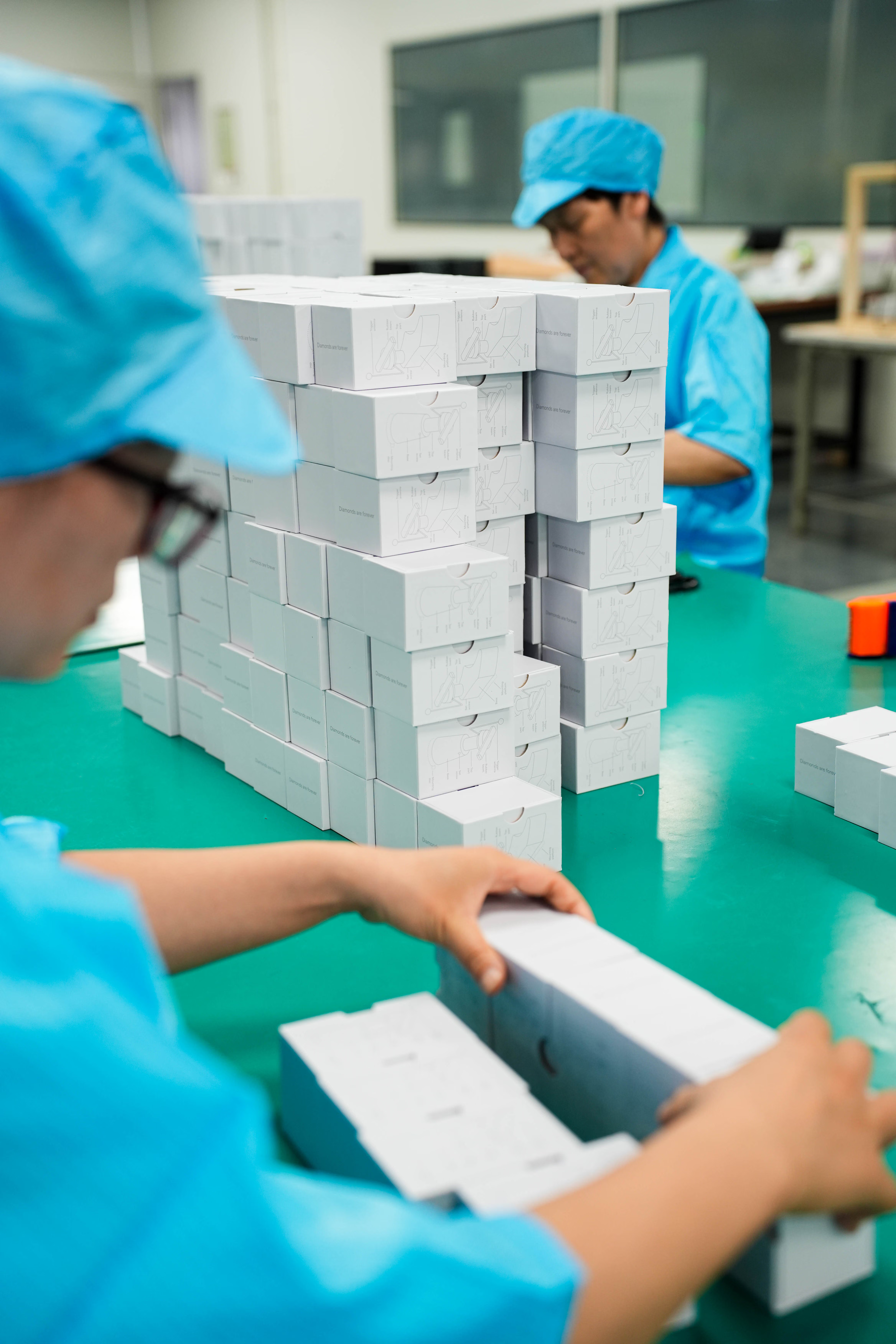
A rigid box, also known as a gift box or luxury packaging box, is a sturdy, well-designed packaging solution typically used for high-end products. These boxes are popular for their durability, texture, and customizable design, making them a preferred choice in industries like luxury goods, jewelry, cosmetics, electronics, and other sectors where brand image needs to be enhanced. Beyond being just a packaging tool, rigid boxes also play a crucial role in showcasing and protecting the product inside.
Key Features of Rigid Boxes
- Durability Rigid boxes use high-density chipboard as their core material, which is much thicker than standard folding cartons. With a thickness ranging from 1-3mm, these boxes provide strong compression resistance and stability, offering superior protection to the product during transport, shielding it from pressure and impacts.
- Premium Texture The exterior of a rigid box is often covered with premium materials like specialty paper, art paper, leather, or fabric. The surface can also feature decorative processes like foil stamping, UV coating, or embossing, which give the box a high-end look and feel. This refined appearance makes rigid boxes a common choice for luxury packaging. Not only do they elevate the perceived value of the product, but they also enhance brand recognition through custom packaging designs.
- Customizable Design Rigid boxes offer a wide range of customization options, allowing brands to create boxes in various shapes, structures, colors, and decorations. Popular designs include magnetic closure boxes, drawer-style boxes, book-style boxes, and lid-and-base boxes. Additionally, the interior of these boxes often includes liners or compartments to keep products securely in place during transit.
- Functionality In addition to their high-end appearance, rigid boxes are highly functional. They provide multiple layers of protection, making them suitable for packaging fragile or valuable items. Some rigid boxes can also be designed as reusable storage boxes, further enhancing their practicality and eco-friendliness. Learn more about the application of custom paper packaging for enhancing product appeal and protection.
Materials Used in Rigid Boxes
Core Material (Chipboard)

The core material is the structural backbone of a rigid box, usually made from high-density chipboard. The thickness of this chipboard, typically ranging from 1.0mm to 3.0mm, determines the box’s sturdiness. This material is durable and highly adaptable to various post-processing techniques.
Outer Material
The exterior of the rigid box is covered with an outer material, often consisting of art paper, specialty paper, leather, or fabric. The choice of outer material influences the visual appeal and tactile experience of the box, allowing brands to create styles ranging from elegant to minimalist or vintage.

Lining
The lining inside the rigid box is equally important as it protects the product while enhancing the overall feel of the box. Common lining materials include velvet, foam, cardboard, and EVA. The lining is often custom-fitted to the product's shape, ensuring that it remains securely in place.

Common Types of Rigid Boxes
Lid-and-Base Rigid Boxes
This is one of the most common designs for rigid boxes, with two separate parts: a lid and a base, similar to a shoebox. This design is simple and functional, making it ideal for gift packaging, jewelry boxes, and cosmetic boxes.
.avif)
Shaped like a book, this type of box often features a magnetic closure. Its unique design and ease of opening make it suitable for packaging high-end electronics, watches, or jewelry.
.avif)
These boxes are designed like drawers, where the user pulls out the product from the inner compartment. This design is often used for gift sets and food packaging, offering both novelty and ease of use.
.avif)
Flip-Top Rigid Boxes
These boxes have a hinged lid connected to the box body, usually secured with a magnet or clasp. Flip-top boxes are commonly used for packaging high-end phones, jewelry, or watches, providing a strong display element.
.avif)
Brands can showcase personality through innovative packaging shapes, special printing packaging materials, and interactive designs, enhancing consumer interest and curiosity.
Common Applications of Rigid Boxes
- Luxury Product Packaging High-end watches, jewelry, perfumes, and other luxury products often use rigid boxes to enhance their perceived value. These boxes not only protect the products but also boost brand image through sophisticated design.
- Electronics Packaging Premium electronics such as smartphones, headphones, and smartwatches are frequently packaged in rigid boxes. These boxes offer superior protection for high-tech gadgets while elevating the unboxing experience.
- Gift Packaging Rigid boxes are an ideal choice for gift packaging. The elegance of the box adds an element of surprise to holiday gifts, souvenirs, and more, making the recipient feel valued and respected.
- Cosmetics Packaging Cosmetic brands often use rigid boxes to showcase the premium quality of their products, particularly for limited editions or gift sets. These custom packaging boxes highlight the beauty and craftsmanship of the products inside.
Conclusion
Rigid boxes are the top choice for high-end product packaging due to their strength, elegant design, high level of customization, and versatility. They not only offer robust protection for products but also enhance brand image and customer experience with their exceptional design. Whether for luxury items, electronics, gifts, or cosmetics, rigid boxes add value and boost competitiveness in the market.
Recommended for you
.avif)
.avif)


.avif)
.avif)
.avif)
.avif)


.avif)
.avif)


.avif)
You Might Enjoy


Are we right for each other?
We work best with brands that treat packaging as part of the product, not as the last thing on the list. To save us both time, here is who we work with best.
We're probably not the right fit if:
- Orders under $1,000.
- A few boxes, one time.
- Lowest quote wins.
- No conversation, just add-to-cart.
- Brand direction still up in the air. Our FAQ covers the basics first: process, scale, sampling, finishing, production. Worth reading before submitting anything.
We're a strong fit if:
- Projects starting around $1,000 and up.
- Sampling before production makes sense to you. It runs from $300, though complete artwork and locked specs can sometimes skip straight to the line.
- There's real budget behind the packaging, and an expectation that production standards get defined properly.
- What's needed is a manufacturing partner across structure, material, process and delivery. Not a print shop taking a file.
- The box has a job: retail shelf, gifting, unboxing. It has to carry the brand.
- Getting it right matters more than getting it cheapest.
Sound like your project? Let's talk
What happens after you submit
1. A specialist reviews your project, usually within 1 business day.
2. We follow up with questions, options, and indicative pricing.
3. Once the spec is confirmed, we move to sampling.