The Complete Guide to Hardware Packaging Boxes
Explore an in-depth guide on hardware packaging boxes, covering design principles, material selection, and best practices for retail and e-commerce.
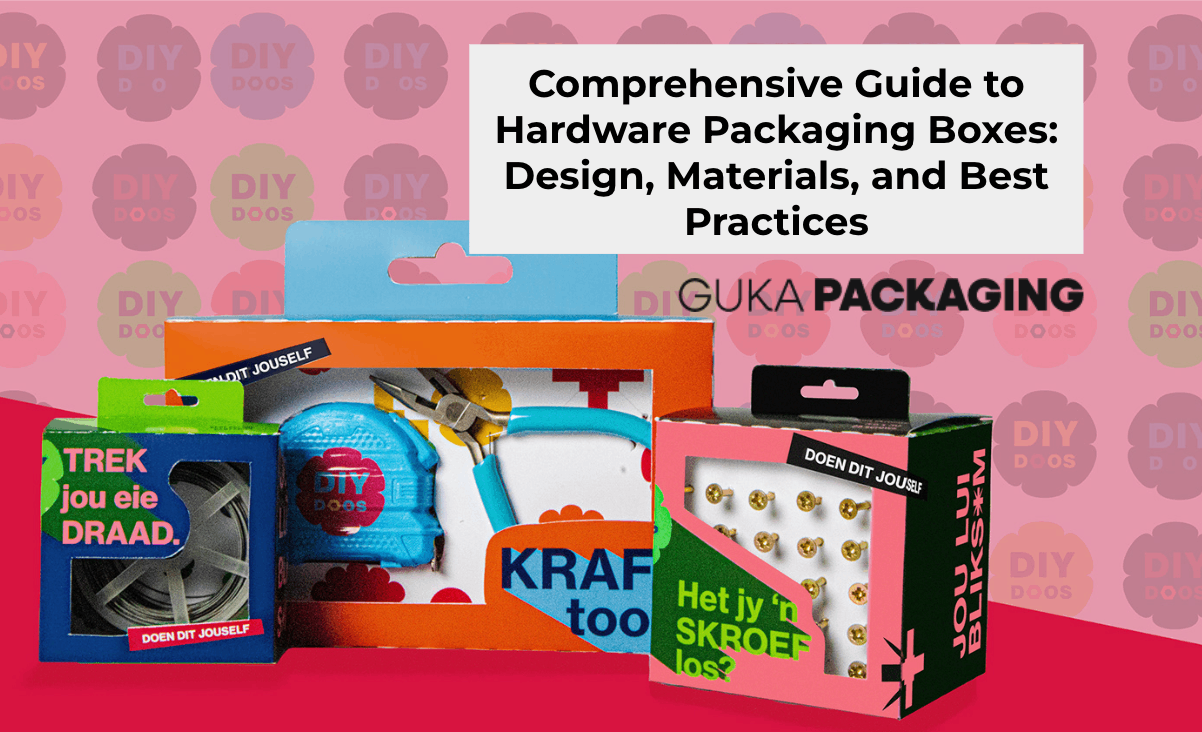
Table of content
In the competitive world of hardware retail and e-commerce, the packaging of your products plays a pivotal role in ensuring product safety, enhancing brand visibility, and providing a positive customer experience. Whether you're dealing with fasteners, power tools, or electronic components, selecting the right packaging solution is crucial. This comprehensive guide delves into the essentials of hardware packaging boxes, offering insights into design considerations, material choices, and industry best practices.
Understanding Hardware Packaging Boxes
What Are Hardware Packaging Boxes?
Hardware packaging boxes are specialized containers designed to protect and present hardware products during storage, transport, and retail display. They are tailored to accommodate the unique shapes and sizes of hardware items, ensuring they remain secure and undamaged throughout their journey.
Importance of Quality Packaging
Quality packaging serves multiple purposes:
- Protection: Safeguards products from physical damage and environmental factors.
- Branding: Enhances brand recognition through design and messaging.
- Compliance: Meets industry standards and regulations for safety and labeling.
- Customer Experience: Provides a positive unboxing experience, fostering customer satisfaction and loyalty.
Key Design Considerations for Hardware Packaging
1. Product Dimensions and Weight
Accurate measurements are fundamental. The packaging must snugly fit the product to prevent movement that could lead to damage. Consideration of the product's weight ensures the box can withstand handling and stacking pressures.
2. Material Selection
Choosing the appropriate material is vital for durability and protection. Common materials include:
- Corrugated Cardboard: Offers strength and cushioning, ideal for shipping and storage.
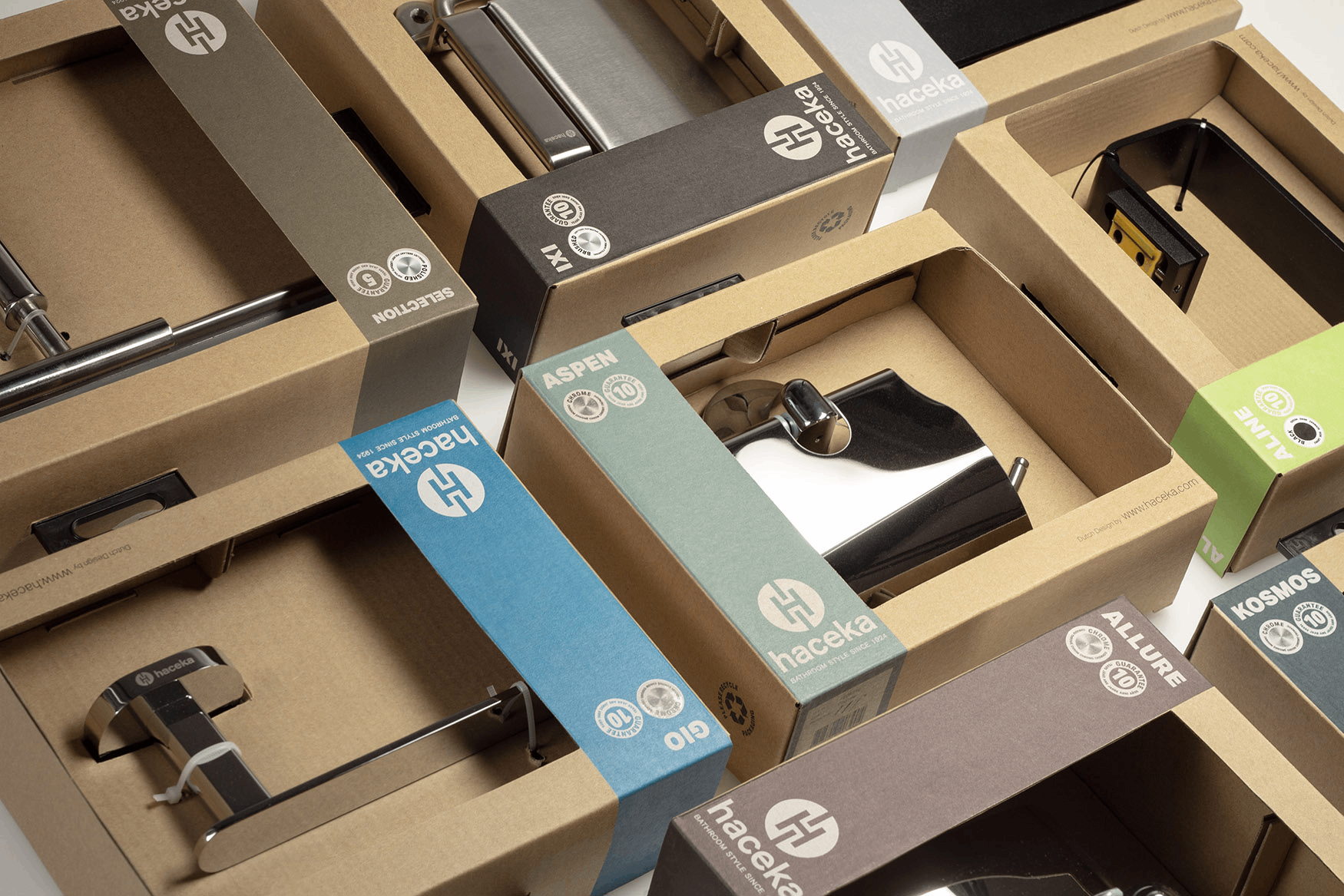
- Rigid Boxes: Provide premium protection and a high-end presentation, suitable for retail displays.
- Folding Cartons: Cost-effective and versatile, commonly used for small hardware items.
3. Structural Design
The box's structure should facilitate easy assembly, storage, and display. Designs like tuck-end boxes, tray and sleeve combinations, and die-cut inserts can enhance functionality and aesthetics.
4. Branding and Graphics
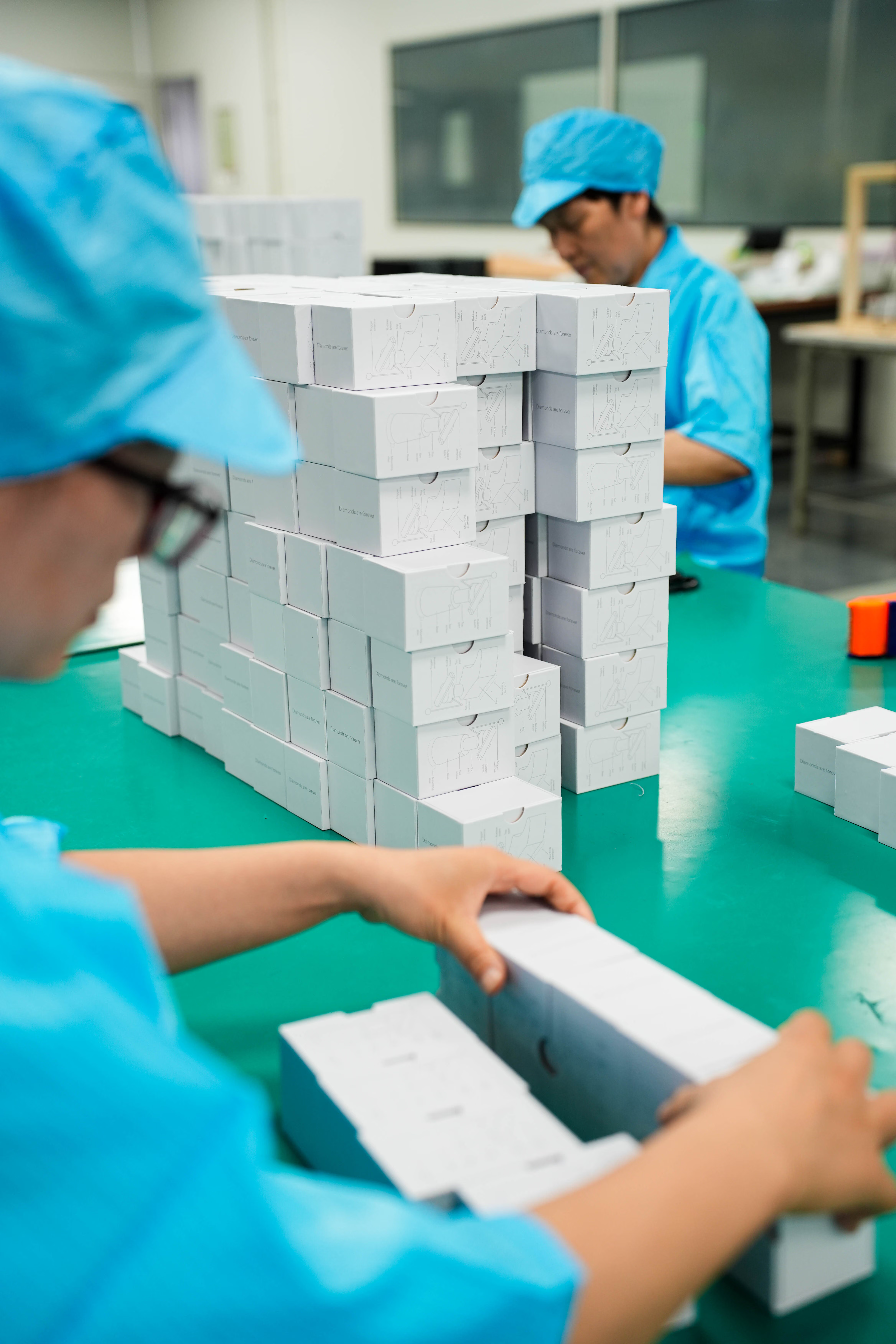
Effective use of colors, logos, and product information can make the packaging stand out on retail shelves. High-quality printing techniques such as offset or flexographic printing ensure clarity and vibrancy.
5. Compliance and Labeling
Ensure that the packaging complies with regional regulations, including safety warnings, usage instructions, and recycling information. Proper labeling is essential for consumer trust and legal compliance.
Materials Used in Hardware Packaging Boxes
Corrugated Cardboard
Known for its strength and lightweight properties, corrugated cardboard is a popular choice for shipping boxes. It provides excellent protection against impacts and stacking pressures.
Rigid Boxes
Rigid boxes are made from thick paperboard and are often used for high-end products. They offer superior protection and a premium feel, making them suitable for retail displays.
Folding Cartons
Folding cartons are cost-effective and versatile, commonly used for small hardware items. They are easy to assemble and can be customized with various finishes.
Inserts and Dividers
Custom inserts and dividers help organize and protect individual components within the packaging. They prevent movement and potential damage during transit.
Best Practices for Packaging Hardware Products
1. Optimize Box Size
Avoid excessive empty space within the box. A snug fit reduces movement and the potential for damage. However, ensure there's enough room for protective materials like inserts or cushioning.
2. Use Protective Inserts
Incorporate foam, molded pulp, or cardboard inserts to secure products in place. These materials absorb shocks and prevent items from shifting during transit.
3. Consider Environmental Factors
Choose materials resistant to moisture, temperature fluctuations, and other environmental factors that could affect the product's integrity.
4. Ensure Easy Handling
Design packaging that is easy to open and close, and consider features like handles or tear strips for consumer convenience.
5. Test Packaging Durability
Conduct tests such as drop tests, compression tests, and vibration tests to ensure the packaging can withstand the rigors of shipping and handling.
Retail and E-Commerce Packaging Strategies
Retail Packaging
In retail environments, packaging must attract attention and convey key product information quickly. Design elements should align with the brand's identity and appeal to the target audience.
E-Commerce Packaging
For e-commerce, packaging should be durable enough to withstand shipping and handling. It should also be easy to open and provide a positive unboxing experience for the customer.
Trends in Hardware Packaging Design
Sustainable Materials
With growing environmental concerns, there's a shift towards using recyclable and biodegradable materials in packaging.
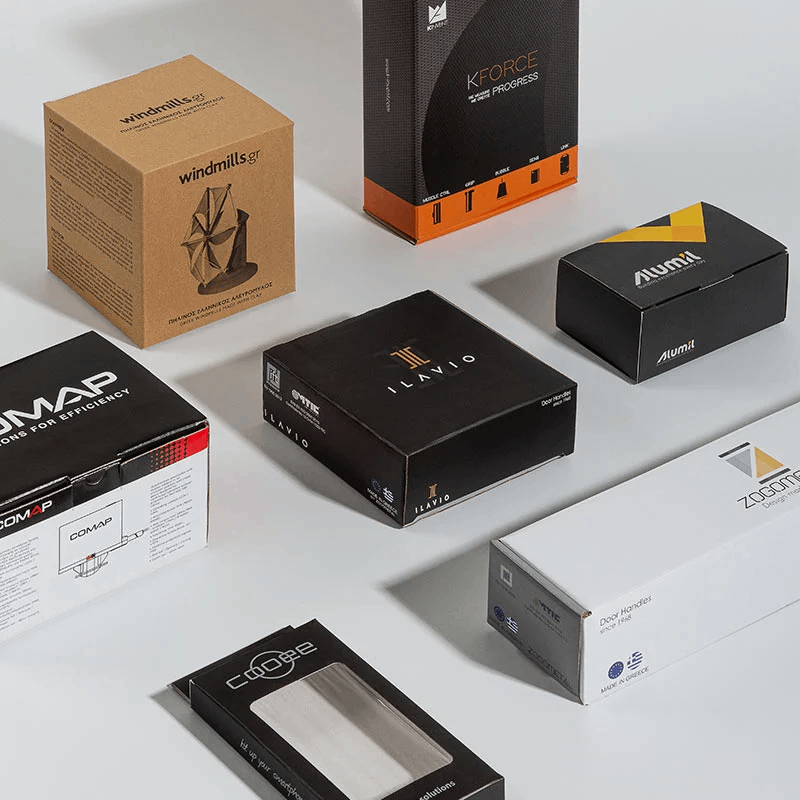
Minimalist Design
Clean, simple designs with bold branding elements are becoming more popular, focusing on functionality and aesthetics.
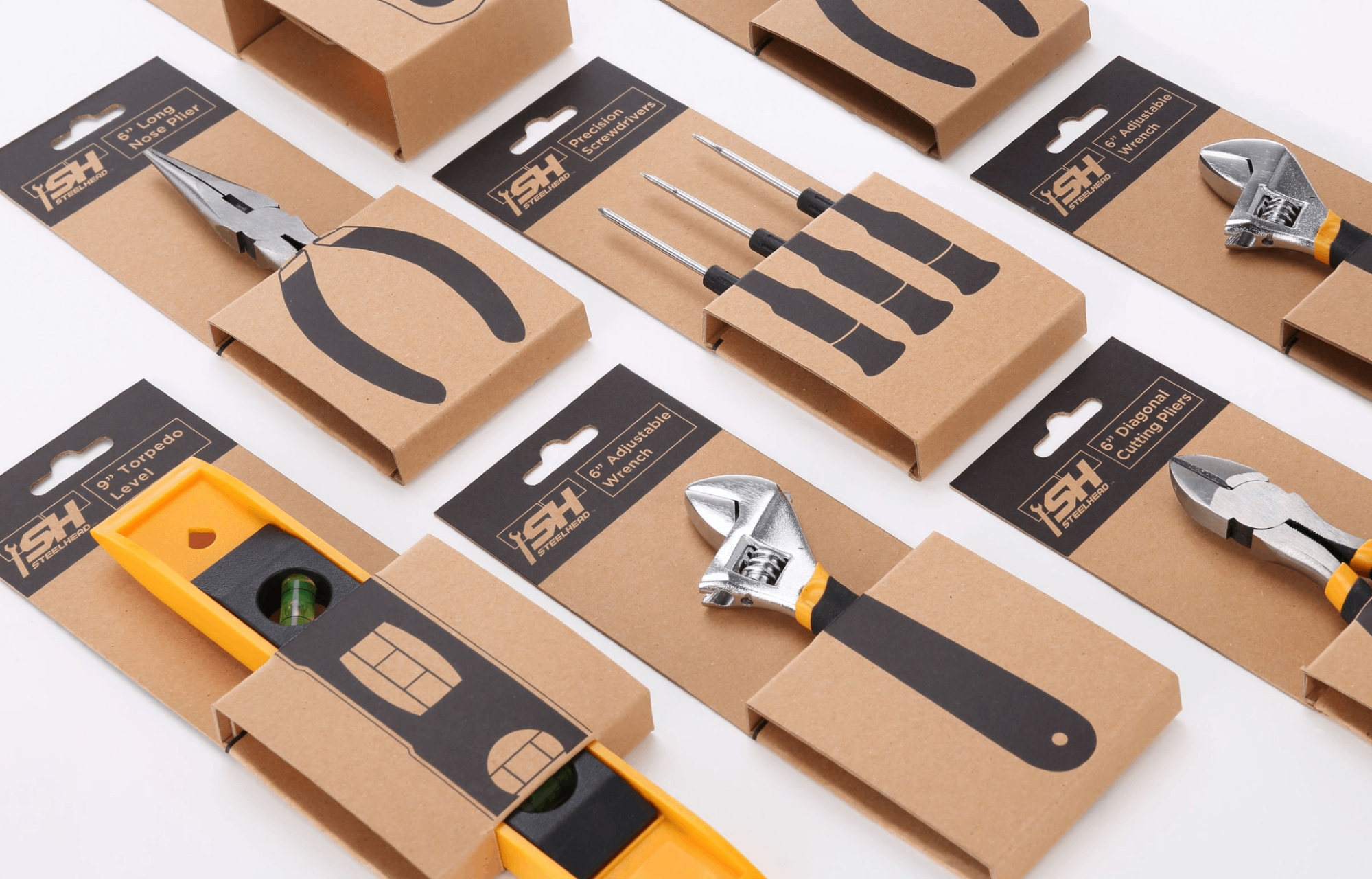
Smart Packaging
Incorporating technology such as QR codes or NFC tags allows for interactive packaging that can provide additional product information or promotional content.

Customize Your Hardware Packaging with GUKA
Selecting the right hardware packaging box involves careful consideration of design, materials, and functionality. By focusing on protection, branding, and compliance, businesses can enhance product safety, appeal to consumers, and ensure a positive customer experience.
If you're looking to elevate your hardware product packaging, consider partnering with GUKA Packaging. We specialize in custom rigid boxes, folding cartons, and sturdy corrugated boxes tailored to your specific needs. Contact us today to discuss how we can help bring your packaging vision to life.
Frequently Asked Questions (FAQs) About Hardware Packaging Boxes
Q1: What are hardware packaging boxes used for?
A: Hardware packaging boxes are designed to protect, store, and display various hardware products such as tools, fasteners, electronics, and DIY components during shipping, retail, or storage.
Q2: How do I choose the right material for my hardware packaging?
A: Material choice depends on the product's weight, fragility, and shipping requirements. Corrugated cardboard is ideal for durable shipping, rigid boxes offer premium protection for high-end products, and folding cartons are cost-effective for small items.
Q3: Can I customize the design and size of my hardware boxes?
A: Yes, custom hardware packaging boxes can be tailored to any shape, size, or style. You can also add inserts, dividers, or cushioning for extra protection.
Q4: How do I package a product for retail effectively?
A: For retail, focus on visually appealing design, brand identity, clear labeling, and structural protection. Eye-catching graphics and easy-to-open packaging enhance customer experience.
Q5: What is the difference between corrugated boxes and rigid boxes?
A: Corrugated boxes are lightweight and ideal for shipping and stacking, while rigid boxes are sturdier, provide premium presentation, and are often used for high-end retail products.
Q6: Can hardware packaging boxes be eco-friendly?
A: Absolutely. Many boxes can be made from recycled or biodegradable materials, and companies can use sustainable printing techniques to reduce environmental impact.
Q7: Do I need inserts or dividers inside hardware boxes?
A: Inserts and dividers help keep hardware items organized, prevent shifting during transit, and provide additional protection against damage.
Q8: How can I test the durability of my hardware packaging?
A: Common tests include drop tests, vibration tests, compression tests, and climate exposure tests to ensure the packaging withstands shipping, stacking, and storage conditions.
Q9: Can I order small quantities of custom hardware boxes?
A: Yes, most packaging suppliers, including GUKA Packaging, accommodate both small and bulk orders, around 500-1000 pcs, often with free design support for first-time clients.
Recommended for you


.avif)
.avif)


.avif)
.avif)
.avif)
.avif)

You Might Enjoy



Are we right for each other?
We work best with brands that treat packaging as part of the product, not as the last thing on the list. To save us both time, here is who we work with best.
We're probably not the right fit if:
- Orders under $1,000.
- A few boxes, one time.
- Lowest quote wins.
- No conversation, just add-to-cart.
- Brand direction still up in the air. Our FAQ covers the basics first: process, scale, sampling, finishing, production. Worth reading before submitting anything.
We're a strong fit if:
- Projects starting around $1,000 and up.
- Sampling before production makes sense to you. It runs from $300, though complete artwork and locked specs can sometimes skip straight to the line.
- There's real budget behind the packaging, and an expectation that production standards get defined properly.
- What's needed is a manufacturing partner across structure, material, process and delivery. Not a print shop taking a file.
- The box has a job: retail shelf, gifting, unboxing. It has to carry the brand.
- Getting it right matters more than getting it cheapest.
Sound like your project? Let's talk
What happens after you submit
1. A specialist reviews your project, usually within 1 business day.
2. We follow up with questions, options, and indicative pricing.
3. Once the spec is confirmed, we move to sampling.