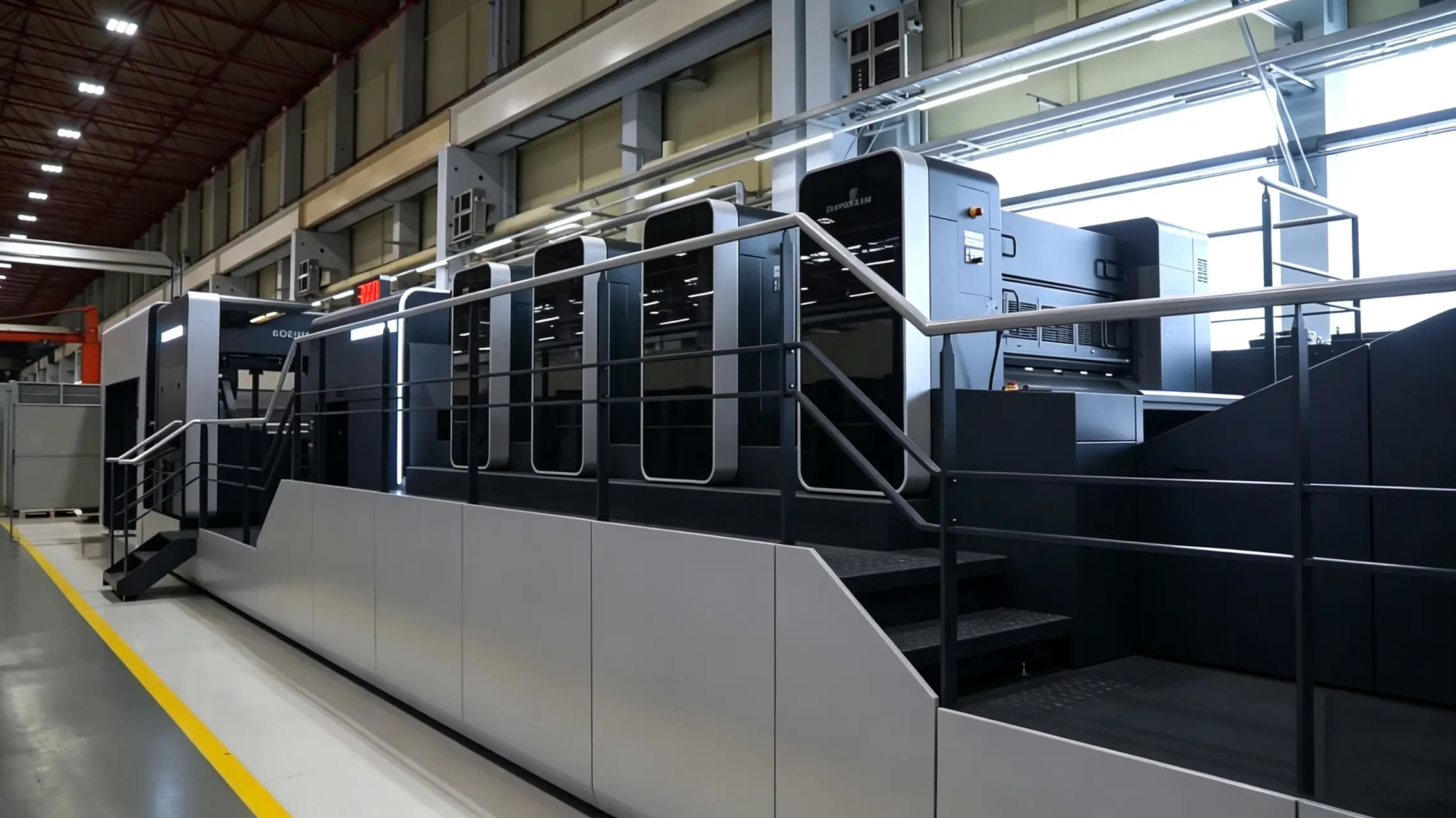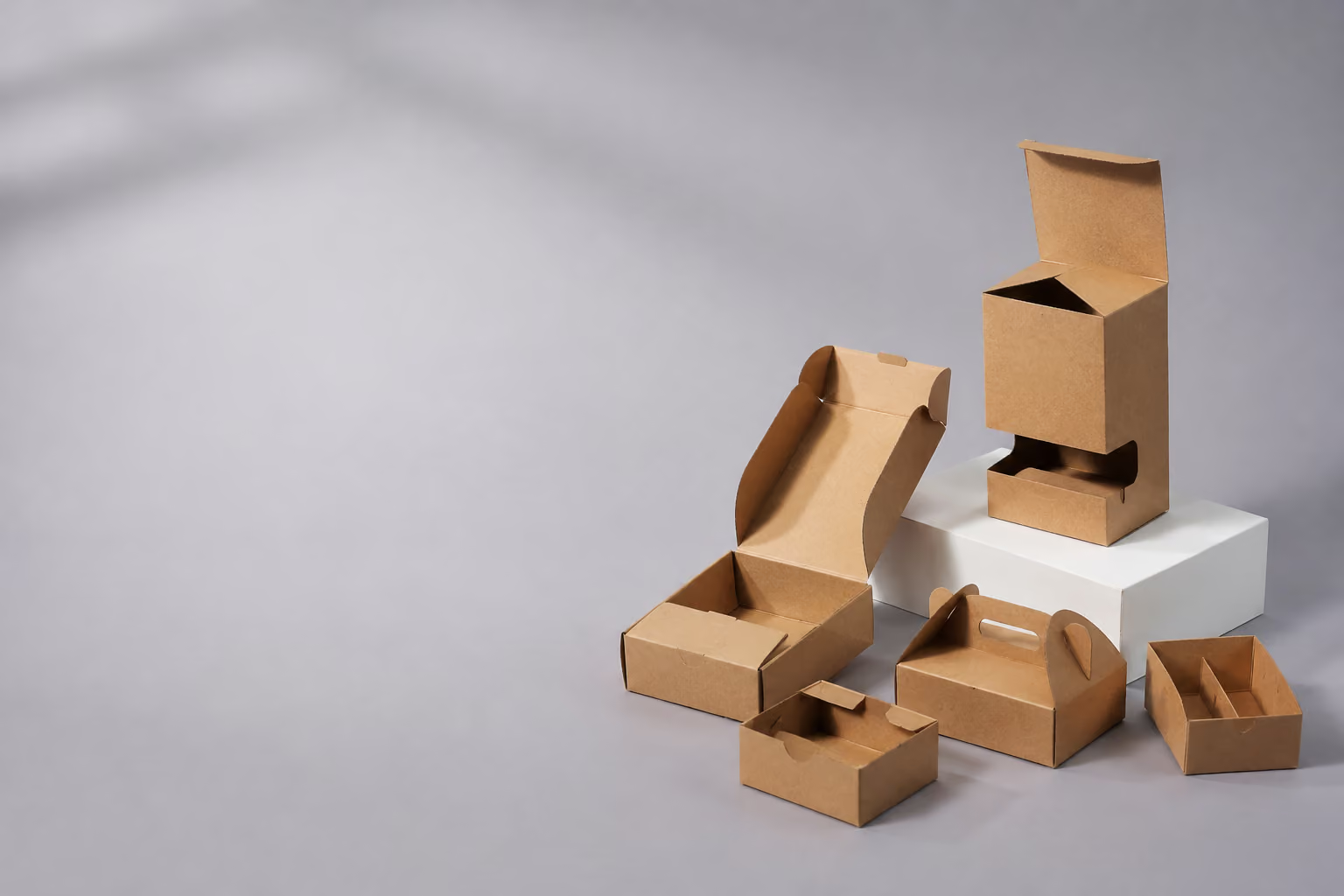
Corrugated Boxes Manufacturing
Custom Corrugated Boxes Built to Protect Your Products
We develop and manufacture custom corrugated boxes for brands that need reliable product protection, efficient packing, strong structure, and consistent production. From shipping boxes and mailer boxes to retail display cartons and custom die-cut corrugated structures, our team helps turn packaging requirements into production-ready boxes built for handling, storage, delivery, and global supply.


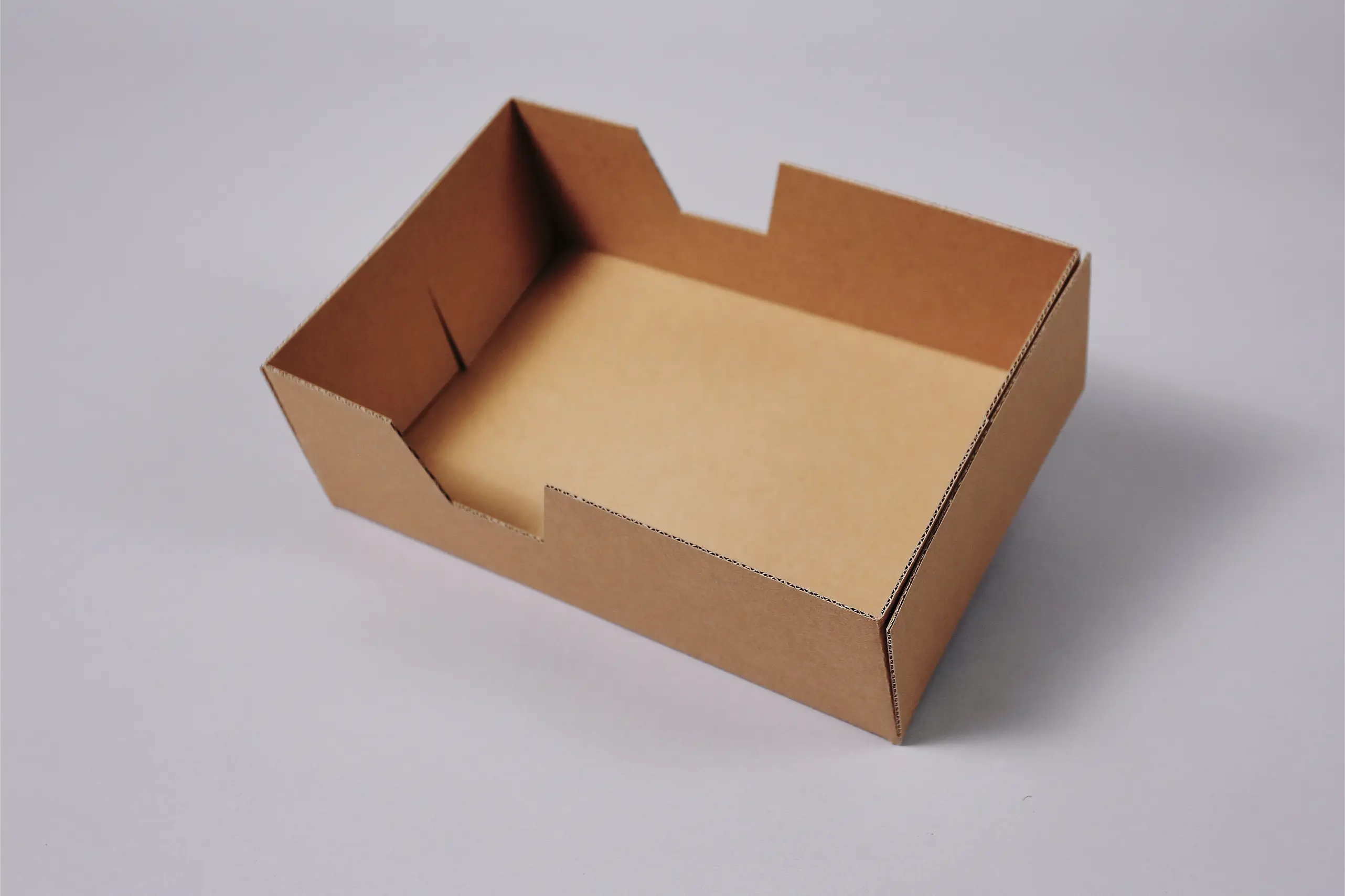
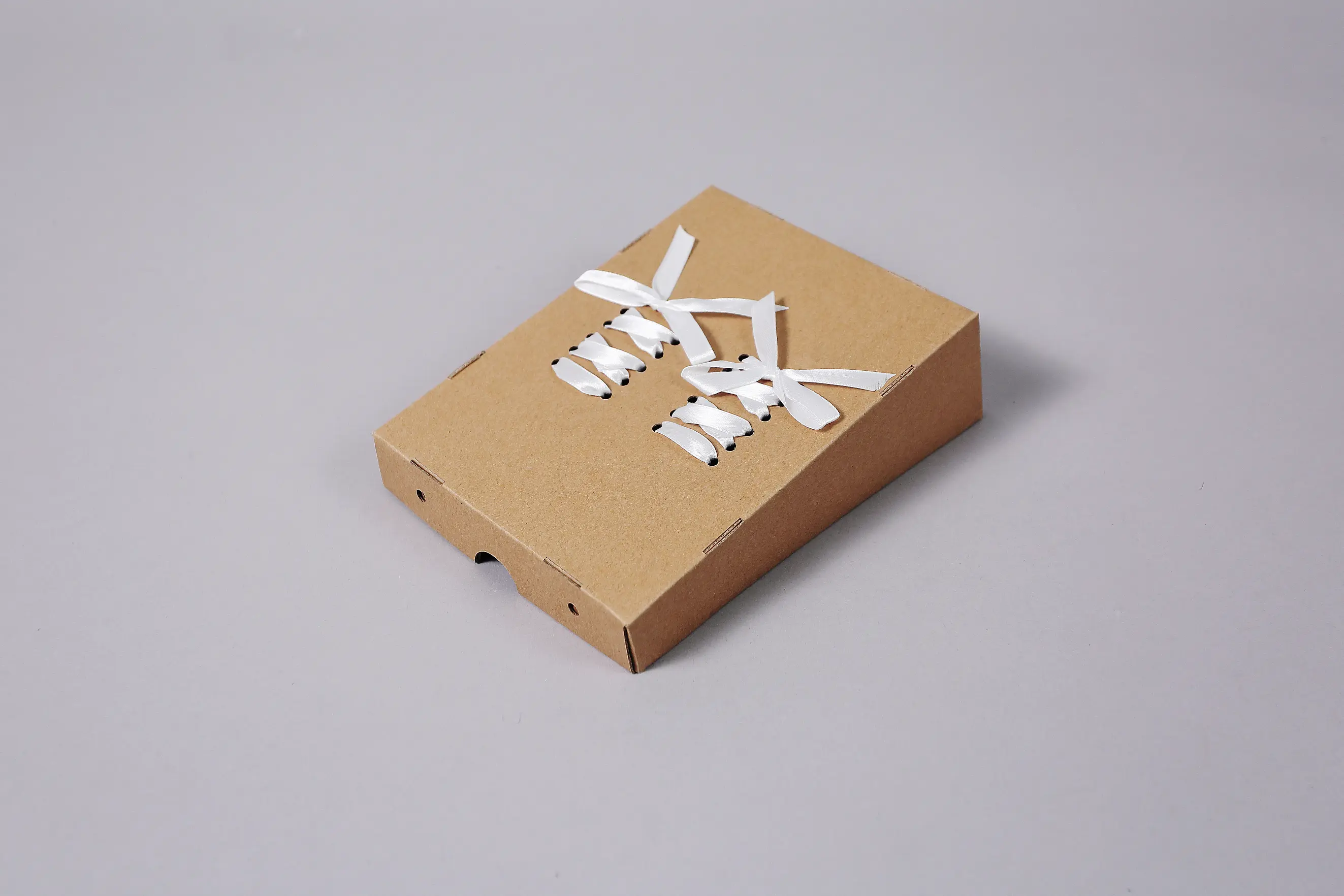
Corrugated Box Styles We Build and Engineer
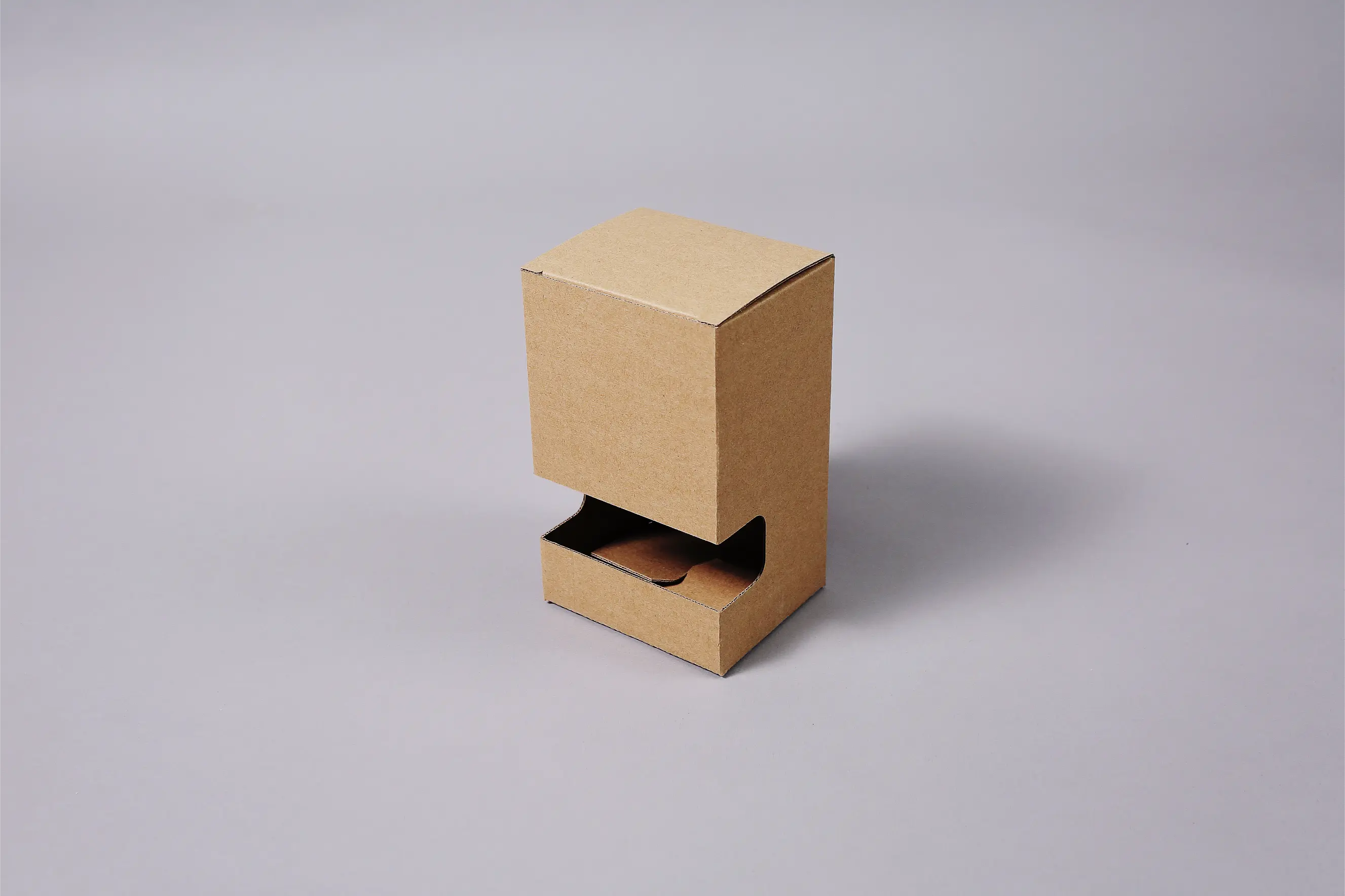
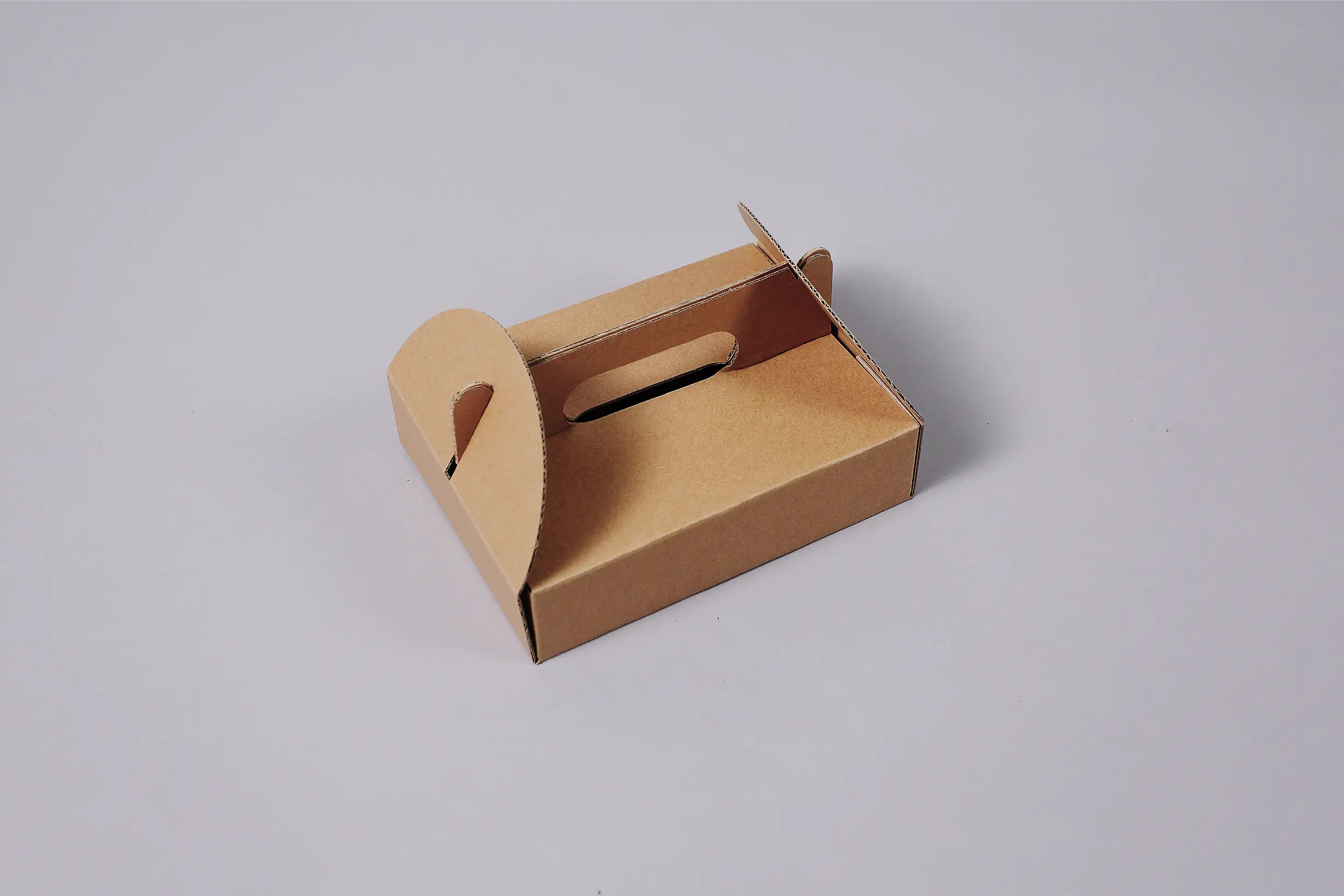
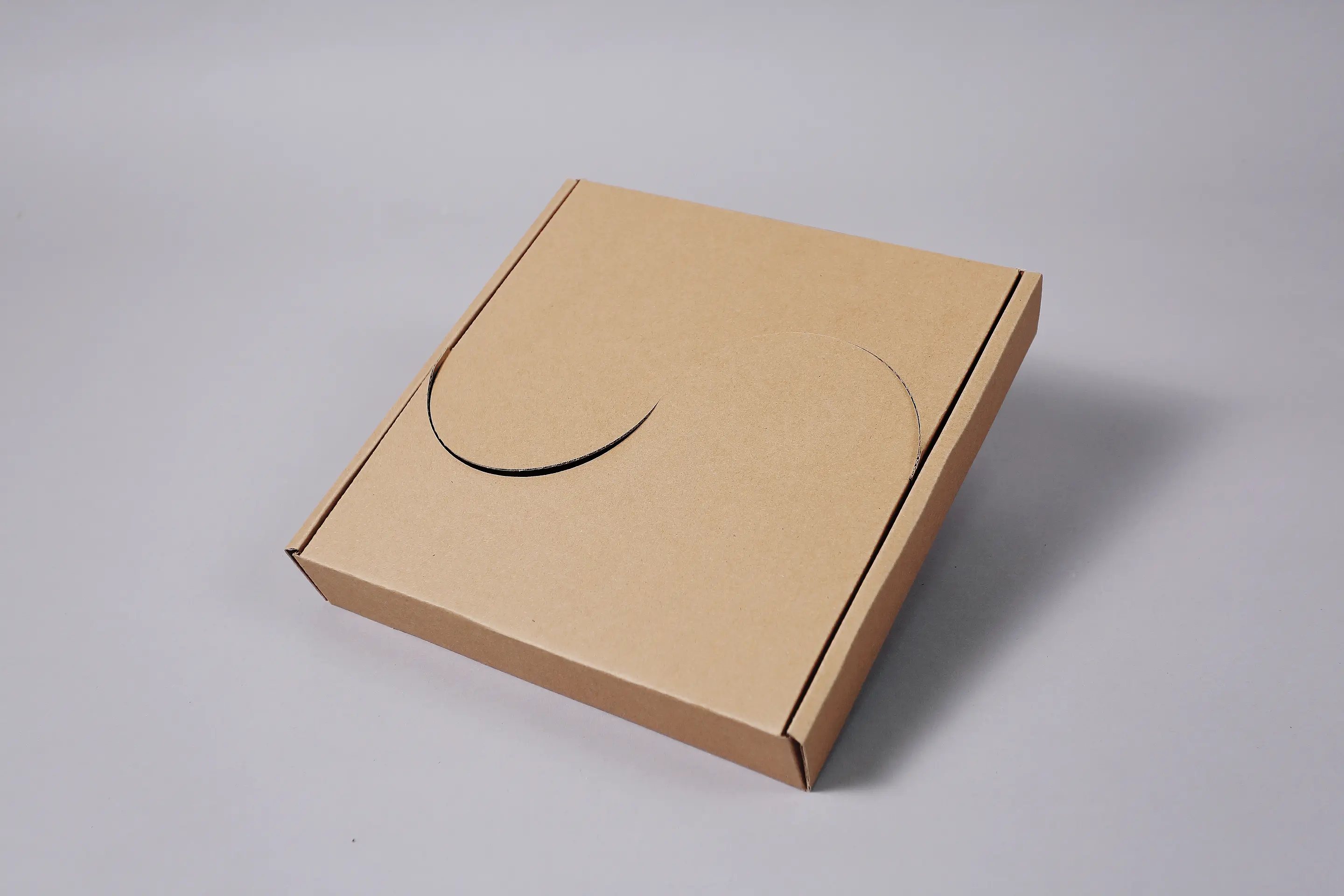
Our corrugated box structures are designed around product protection, board strength, packing methods, shipping routes, display requirements, and production efficiency. Choose from proven corrugated formats, or work with our team to develop a custom structure from concept through sample and into mass production.
-2.avif)
Customize Every Detail of Your Corrugated Box
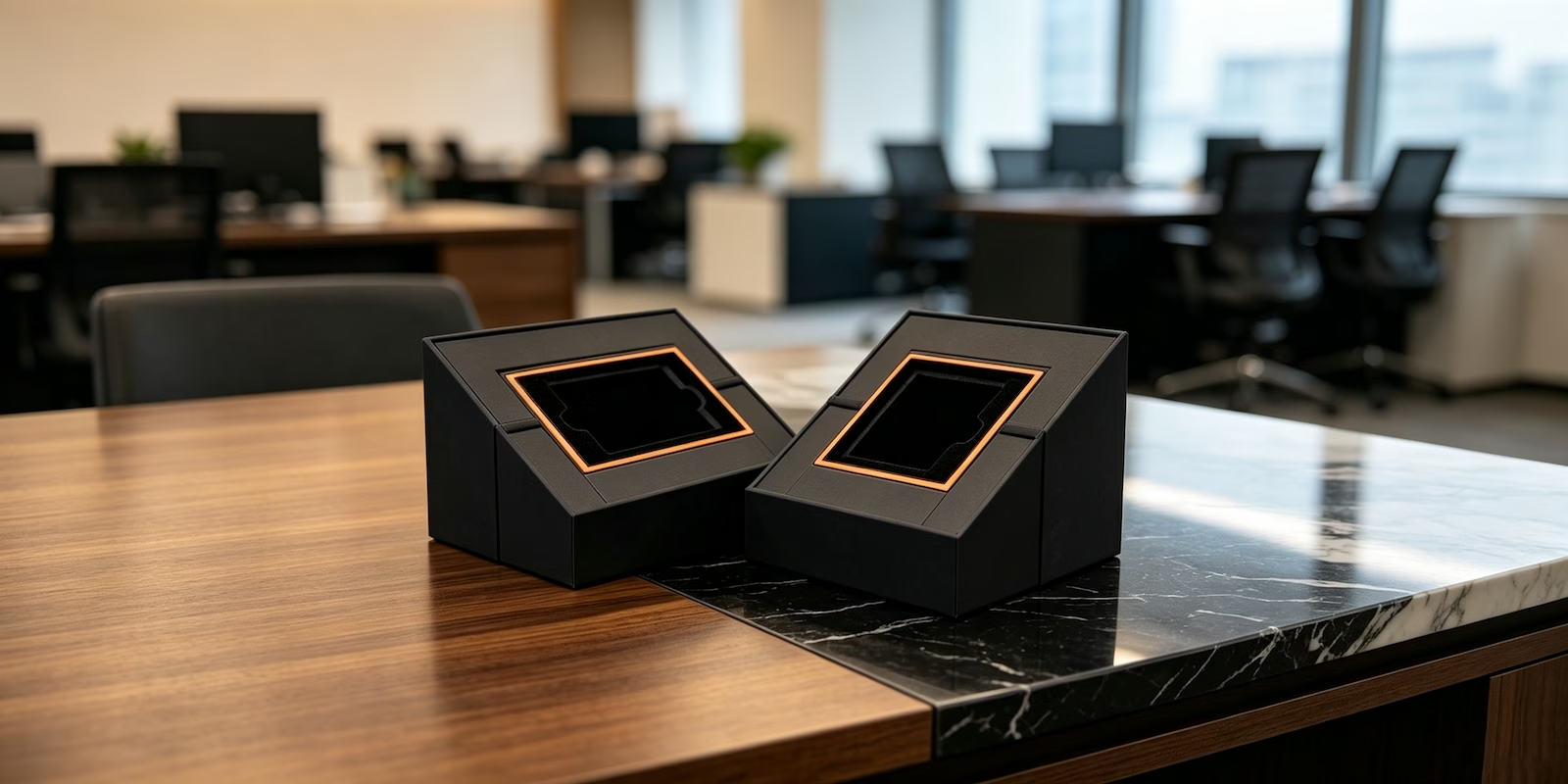
Every corrugated box is developed around the details that affect performance: structure, board grade, flute type, print method, surface finish, insert design, packing method, and shipping requirements. From concept to sample, our team helps refine each packaging component so the final box is strong, practical to pack, visually aligned with your brand, and ready for scalable production.

-2.avif)
-2.avif)
-2.avif)
-2.avif)
-2.avif)
-2.avif)


.avif)




.avif)
Corrugated Box Projects Manufactured for Global Brands
Our corrugated box projects cover different board grades, structures, printing methods, finishes, inserts, and product categories. From concept to production, each project demonstrates how packaging requirements are translated into corrugated boxes designed for protection, presentation, packing efficiency, brand consistency, and scalable delivery.


.avif)
.avif)


.avif)
.avif)


.avif)
.avif)
.avif)
.avif)
.avif)
.avif)
From Structural Development to Controlled Mass Production
Every custom corrugated box project needs more than a strong design. It needs the right structure, board grade, flute direction, approved samples, controlled production, reliable packing, and delivery support. Our team manages each stage with the goal of turning packaging requirements into corrugated boxes that protect products, enable efficient packing, and can be produced consistently at scale.
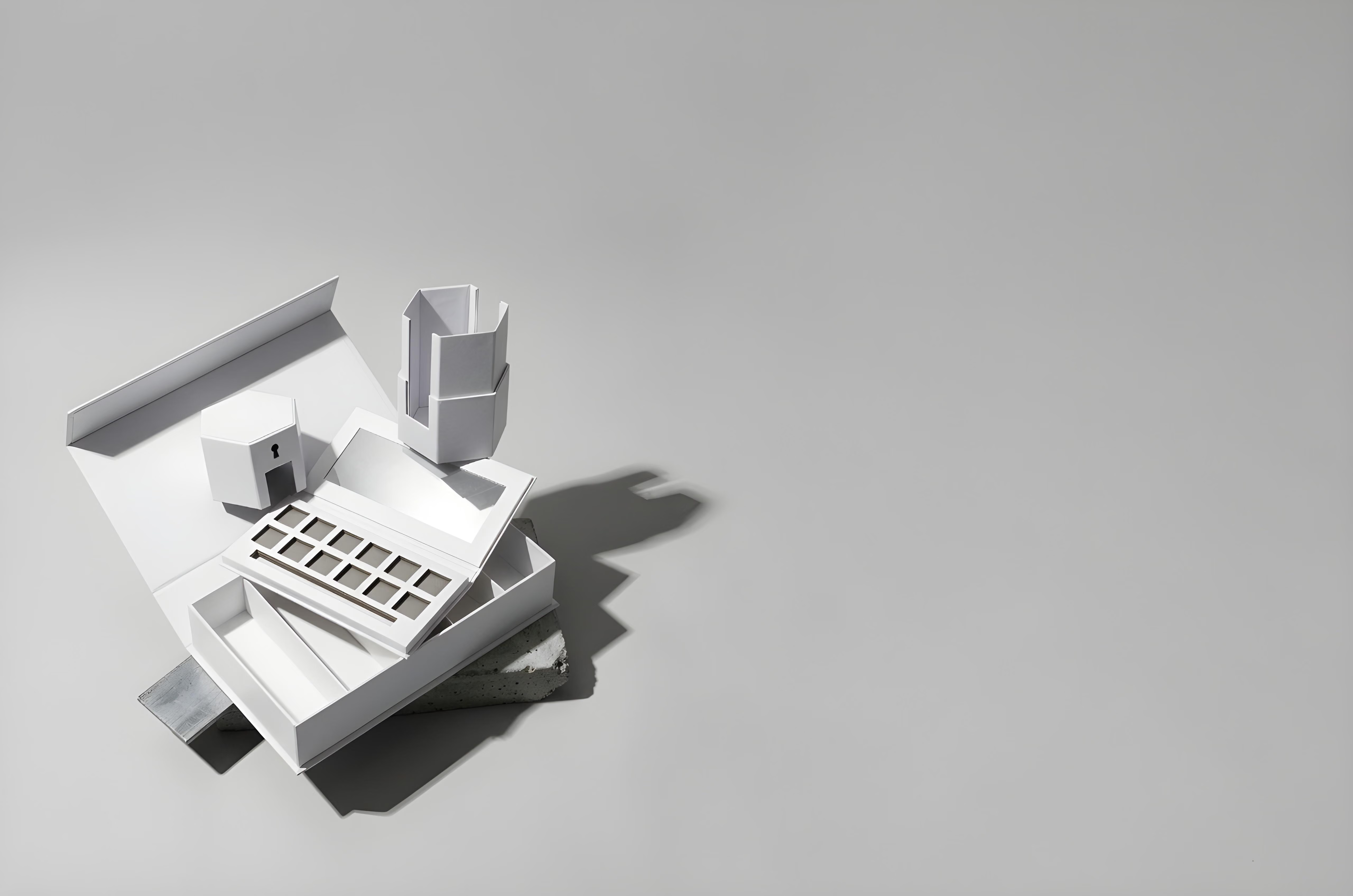


1. Requirement Review
We review the product size, weight, target quantity, preferred box style, board strength, print requirements, insert needs, artwork status, delivery market, packing method, and timeline before recommending the right production path.
2. Structural Development
The corrugated box structure is developed around product fit, board grade, flute direction, stacking requirements, opening method, insert layout, closure method, and shipping environment.
3. Sampling & Approval
Samples help confirm the box size, structure, board strength, print result, insert fit, closure performance, and packing method before the project moves into production.
4. Production Planning
Once the sample is approved, our team confirms the final specifications, board material, printing method, finishing, die-cutting, gluing, packing requirements, timeline, and quality standards.
5. Controlled Mass Production
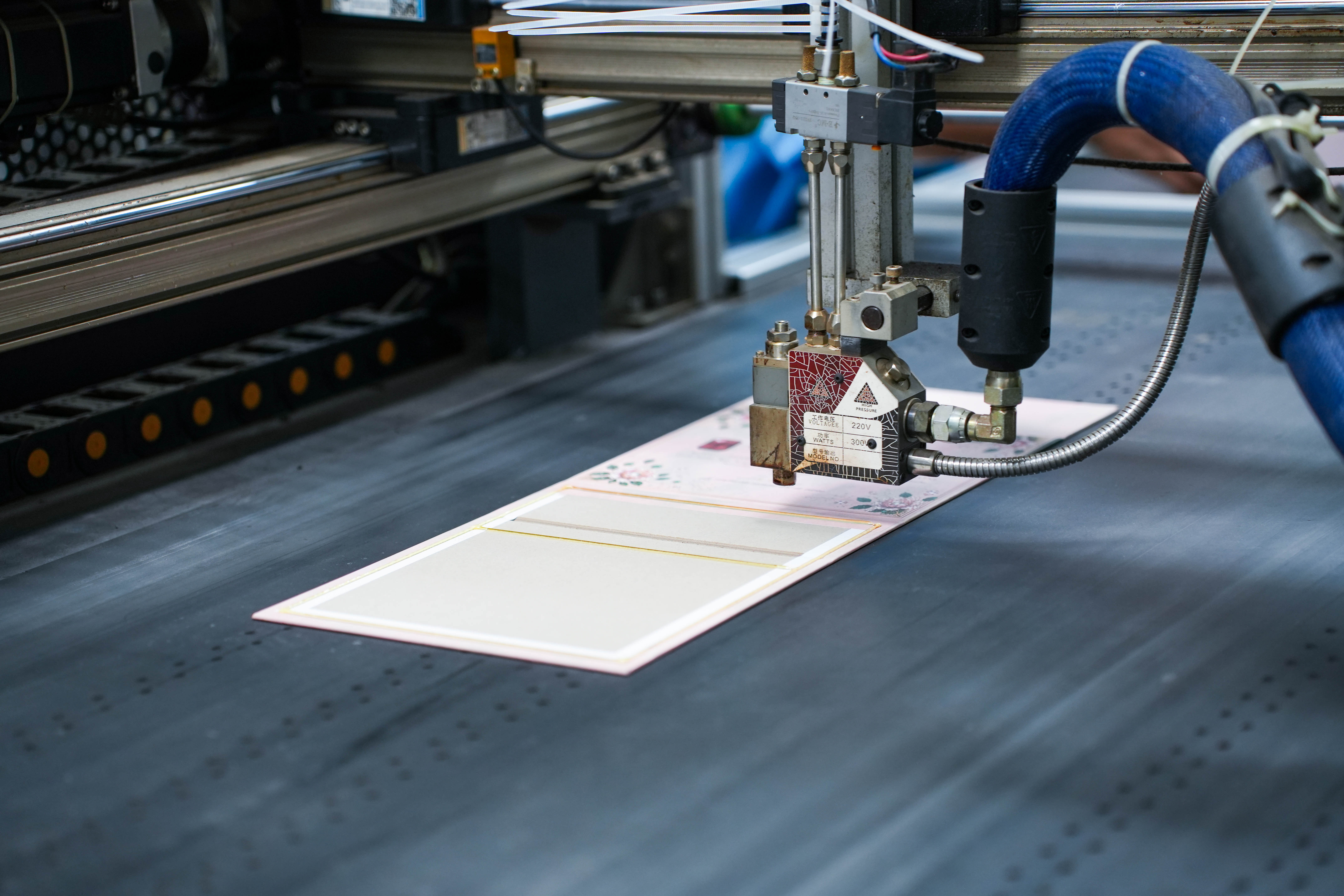
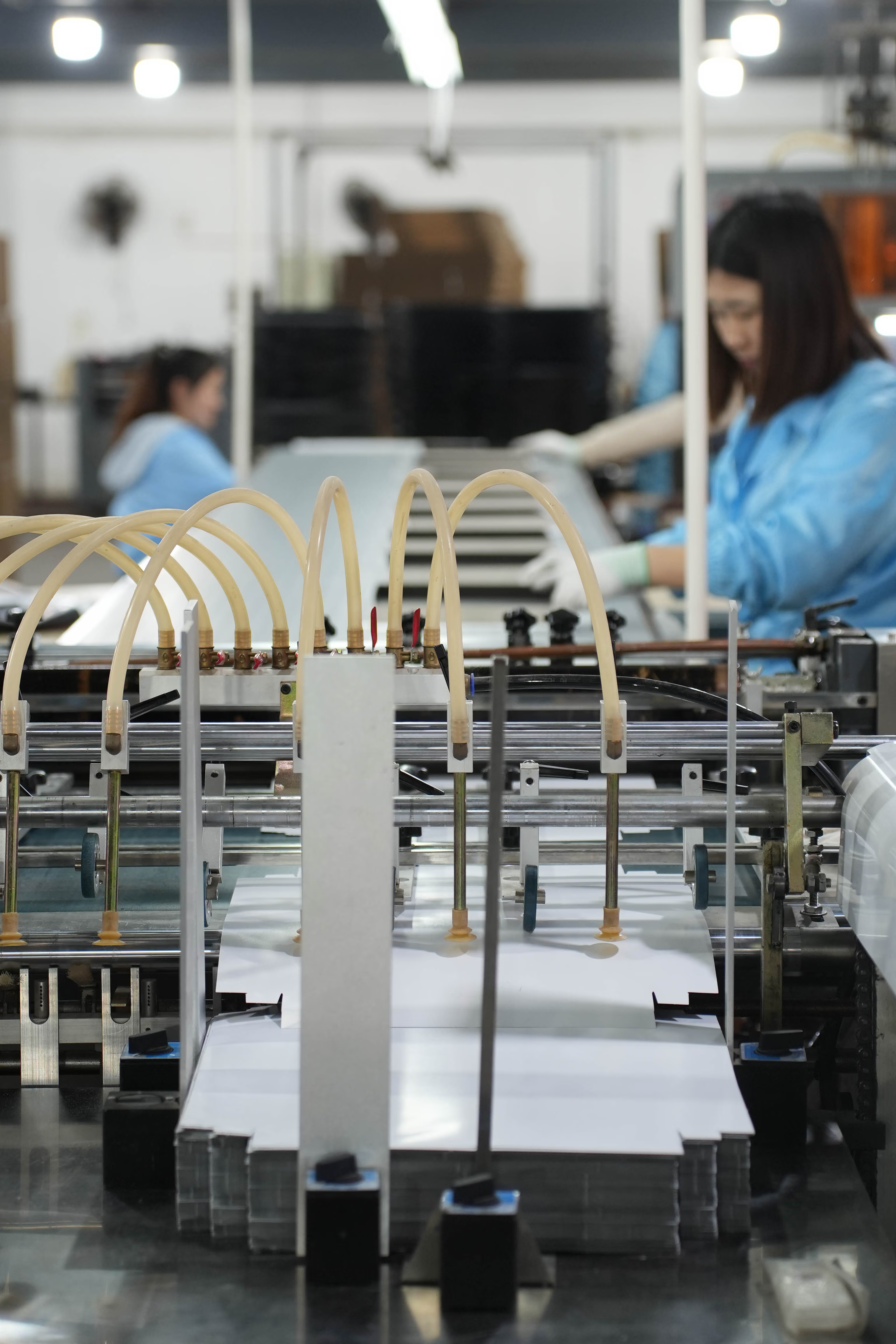
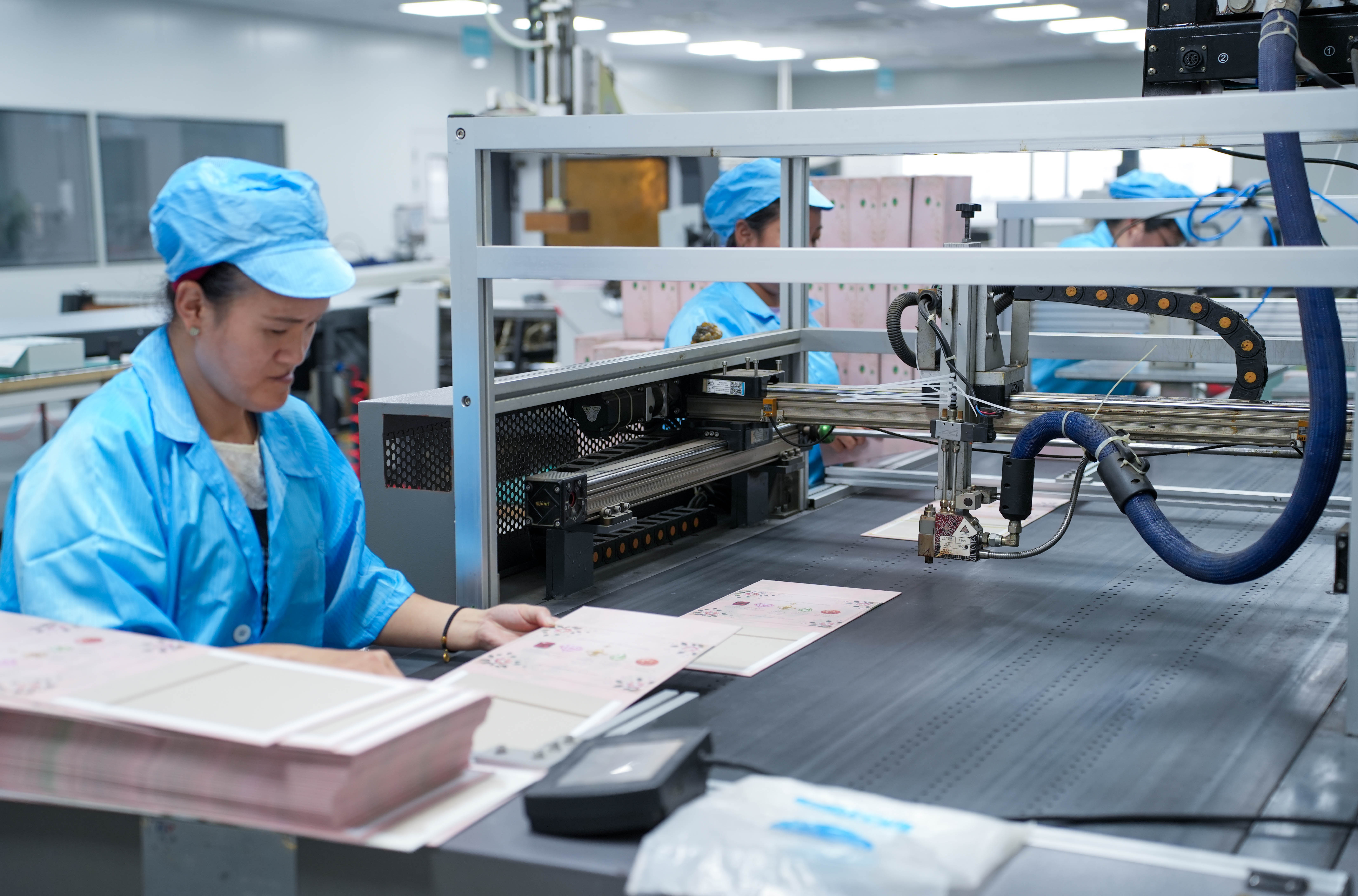
Production is managed across printing, die-cutting, creasing, slotting, gluing, folding, insert fitting, packing, and order coordination, with ERP-supported visibility from production to delivery.
6. Quality Control & Global Delivery
Quality checks are carried out across structure, board quality, colour, printing, die-cutting accuracy, gluing, folding, stacking, packing, and shipment preparation. With dedicated QC specialists, testing equipment, and global supply chain support, we help brands maintain consistency in corrugated box packaging across international packaging programs.
Certifications
GMI & ISO9001 & CE & FSC


For Brands That Care What Packaging Leaves Behind
Sustainable Packaging Options
Protective packaging should do more than move products safely. For brands with sustainability goals, every board choice, structure, insert, print method, finish, and shipping format must be carefully considered. Our team helps develop corrugated box packaging with responsible material options, paper-based structures, plastic-reduction alternatives, and eco-conscious production choices tailored to each project's needs.
FSC-Certified Paper Options
Choose certified paper and corrugated board options for corrugated box projects that need stronger material traceability, responsible sourcing, and sustainability documentation.
Recyclable Corrugated Structures
Create corrugated boxes with paper-based structures that support product protection, stacking strength, and brand presentation while reducing reliance on unnecessary plastic components.
Plastic-Reduction Inserts
Replace selected plastic fitments with corrugated inserts, paperboard dividers, molded pulp, or other lower-plastic support options where the product structure, protection needs, and packing process allow.
Material-Efficient Box Design
Refine box size, board grade, flute direction, insert layout, and packing volume to reduce unnecessary material use while maintaining product protection and delivery performance.
Eco-Conscious Printing Choices
Refine print and finishing choices with material-conscious decoration, coating selection, and production methods that support a more responsible packaging direction.
Shipping Volume Efficiency
Corrugated box design can also support sustainability by improving packing density, reducing unused space, and supporting more efficient storage, palletisation, and delivery planning.
Ready to Build Your Custom Corrugated Box?
The more we understand your product, packaging goal, and production requirements, the better we can recommend the right structure, board material, flute type, print method, insert, and manufacturing approach. Share what you have, and our team will help refine the details from there.

Box Style
Preferred corrugated box structure, such as a mailer box, RSC shipping box, display box, telescopic box, full overlap box, die-cut box, or a custom structure.
Size & Product Details
Product dimensions, weight, product type, packing method, and any special protection, stacking, storage, or shipping requirements.
Quantity
Estimated order quantity, launch volume, trial run quantity, or repeat production needs.
Materials & Finish
Preferred corrugated board type, flute direction, kraft liner, white liner, coated liner, printing method, coating, lamination, varnish, or other finishing direction.
Insert & Protection Requirements
Corrugated insert, paperboard divider, molded pulp insert, tray, partition, corner support, window, handle, label, or other functional add-ons.
Delivery Market
Destination country, expected timeline, packing needs, palletisation requirements, carton shipping volume, and any shipping or compliance requirements.
FAQ
For qualified projects, custom corrugated boxes start from around 500 units, with the practical minimum shaped by your budget, box structure, and print requirements rather than a fixed number. Die-cutting, tooling, and print setup carry fixed preparation regardless of run size. Once we understand your product, protection needs, and shipping route, we recommend a quantity that keeps unit cost and structural quality aligned.
We will review your product size, weight, packing method, protection needs, retail channel, shipping route, and order quantity before recommending a suitable corrugated structure. If a standard shipping box, mailer box, or display box is not the right fit, we can also develop a custom die-cut corrugated solution tailored to your product and packaging process.
Sampling usually takes 7 to 20 days, depending on structure and print complexity. Mass production runs 15 to 20 days after sample approval. Small batches shipped by sea add roughly 40 days, while air and courier are faster. Because corrugated packaging often feeds fulfilment and retail timelines, we confirm the full schedule during production planning so your stock arrives when you need it.
The choice depends on product weight, stacking load, handling, and shipping distance. Single-wall board suits lighter retail and e-commerce products and keeps dimensional weight down. Double-wall board adds strength and cushioning for heavier items, longer routes, or higher stacking. The flute profile is matched to the print and protection needed. We recommend the board grade and flute based on how your product is packed, stored, and shipped.
Corrugated board has a fluted layer sandwiched between liner boards, which gives it the strength and cushioning needed for shipping and stacking. Cardboard, or folding carton stock, is a single-layer paperboard used for lighter retail packaging. In short, corrugated protects products in transit, while folding cartons present products on the shelf. We help you decide which structure fits your product, protection needs, and distribution channel.
We match board grade, flute, and structure to the product and route, then verify performance with in-house testing before production. Our quality process covers board strength, stacking, gluing, folding, and packing, supported by dedicated testing instruments. This matters because a box that fails in transit causes damage, returns, and replacement cost. Building the right structure and checking it up front protects the product and your delivery reliability.
Corrugated boxes can be printed by flexographic printing for simple, cost-efficient branding directly on the board, or by litho-lamination and offset printing, where a high-resolution printed sheet is mounted to the corrugated for premium retail graphics. We also support Pantone colour matching and finishes such as lamination and spot UV. The right method depends on your artwork, board surface, and whether the box is for shipping or retail display. Source: Buyer intent + information gain. Competitors rarely explain flexo vs litho-lamination. GUKA angle: matches print method to use case.