How to Create High-End Custom Paper Packaging
What makes paper packaging read as expensive (and what makes it look cheap): the material, finish, and fit decisions that lift perceived value, from a manufacturer.

Table of content
Premium is not a budget. It is a set of production decisions, and so is cheapness. The same product, at the same spend, can arrive feeling twice as expensive or noticeably flimsy depending on a handful of choices made before anything is printed.
Most guides list the "elements of luxury packaging." This one is more useful: it shows you exactly what makes paper packaging read as cheap, what makes it read as expensive, and where to put your money to land on the right side. Written from the manufacturing floor, not the design studio.
Why paper packaging looks cheap
The cheap look is rarely about the design. It is a set of specific, avoidable production tells. Brand buyers feel these instantly even when they cannot name them. Design them out and the packaging already reads a tier higher.
The common tells:
- Thin board that flexes. A box that gives when you hold it signals cheap before it is even opened. Weight and rigidity are the first read.
- Visible glue, seams, or gaps. Squeeze-out at the corners or a misaligned wrap is the clearest factory-quality giveaway.
- Bubbling or wrinkling on wrapped boxes. A loose or rushed paper wrap on rigid board telegraphs low-end production.
- High-gloss lamination on everything. Full gloss reads mass-market. Premium leans matte, soft-touch, or uncoated.
- A loose product that rattles. If the item shifts inside, the whole thing feels disposable, regardless of the outer box.
- Muddy or inconsistent color. Color that drifts across the run, or does not match the brand, reads as a corner cut.
- Busy, full-coverage print. Cramming the surface usually signals insecurity. Confidence shows as restraint.
- A flimsy, ill-fitting lid. A lid that wobbles or seats loosely undoes an otherwise good box.
What "expensive" actually feels like
The premium read is the mirror image, and most of it is structural, not graphic:
Weight and rigidity in the hand. A tight, clean wrap with crisp edges and no visible glue. A lid that closes with a controlled, slightly weighted resistance. A product that sits snug, with no movement. Restraint in print, with clear negative space. And one confident finish rather than three competing ones. Two boxes with identical artwork can sit a full tier apart on these alone, which is why the build matters more than the design.
Where premium feel actually comes from (per dollar)
This is the decision most brands get backwards. They spend on full-color print and skimp on board and fit, which is the most expensive way to look cheap. Here is where perceived value actually comes from, ranked against relative cost:
The pattern: structure and fit buy the most premium feel for the least money, and print buys the least for the most. Put the budget into what the hand registers.
Choosing the material
Material is the first touch and the biggest single driver. Choose it for the feeling you want, then design within it.
The full range of premium paper and board options comes down to one question: do you want weight (rigid), printability (coated carton), or texture (uncoated and specialty)?
Choosing the finish
Pick one or two and place them deliberately. A great stock with a single hero finish reads more expensive than a lesser stock loaded with effects.
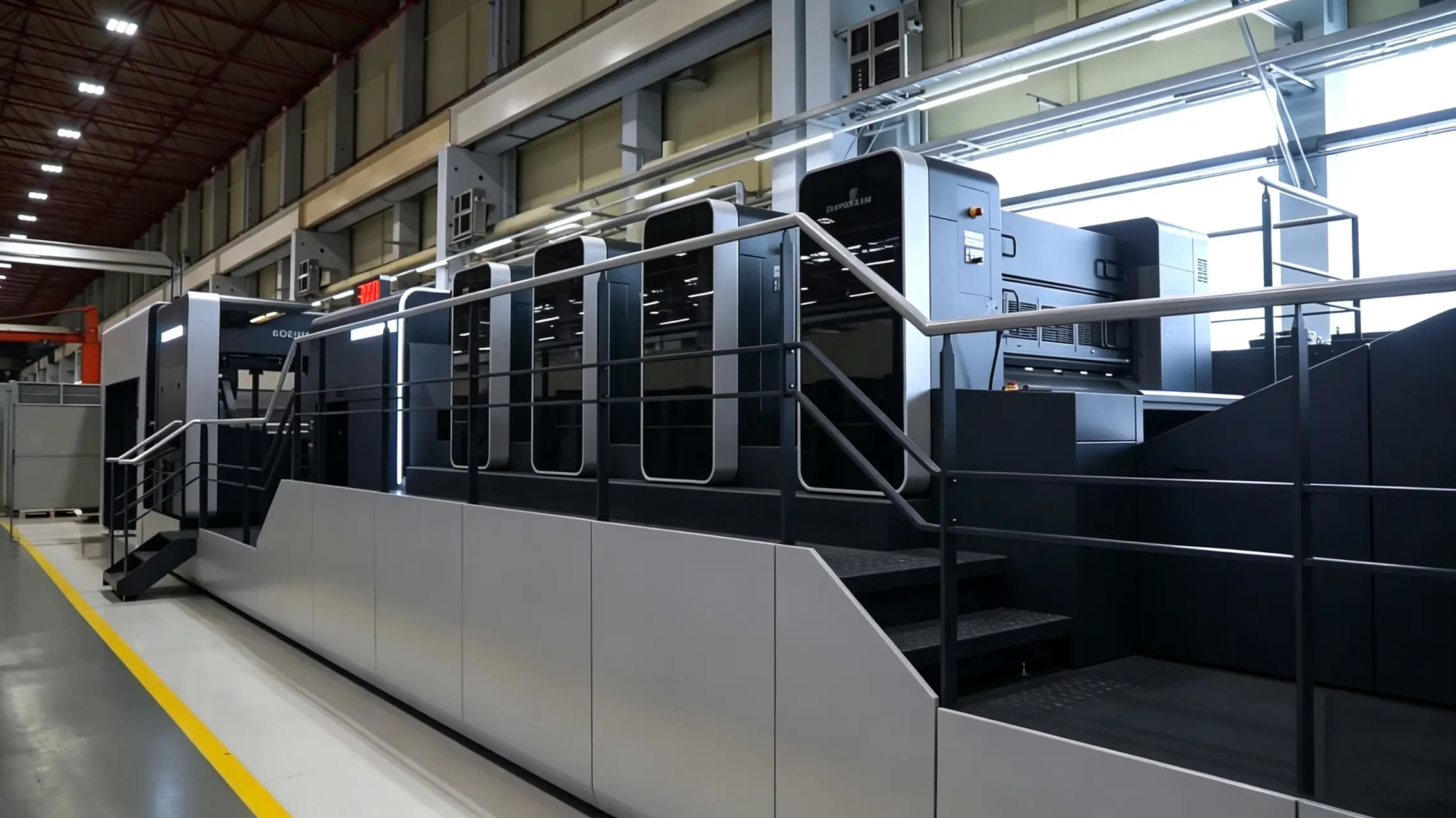
GUKA runs printing, silk-screen printing, foil stamping, embossing, spot UV, and other finishing processes in-house, which is what keeps a finish consistent across a full run rather than only on the sample.
Fit is the detail buyers feel first
The fastest way to ruin a premium box is a product that moves inside it. A custom insert (paperboard, molded fiber, or foam) that holds the item snug is low-cost and high-impact, and it is decided at the dieline stage, so it belongs in the brief from the start, not added later.
A printed interior, a ribbon pull, or a magnet snap are the small reveals that tell a customer the packaging was built around their product, not pulled off a shelf.
What to put in your brief
Most premium results are lost in a vague brief. Give a manufacturer this and you will get a quote and a sample that actually match what you want:
- Board and weight: specify rigid wrap or carton, and a GSM or thickness, not just "sturdy."
- Wrap vs direct print: state whether you want a wrapped rigid box or print direct to board. They feel different.
- Finish callouts: name the one or two finishes and where they go ("foil logo on lid only").
- Color: give Pantone references, not "match our brand blue."
- Fit: state that the product must sit snug, and ask for an insert spec.
- Sample: require a physical pre-production sample for sign-off. This is the single most important line in the brief.
That last point matters more than any finish. Material and finish look different in hand than on screen, and a sample is the only way to catch it before a full run.
Premium paper packaging by product type
What "high-end" means shifts by category:
- Cosmetics and skincare: clean cartons, soft-touch, restrained foil. See cosmetic and skincare packaging.
- Perfume: rigid structure and weight carry the price tier. See perfume packaging.
- Chocolate, coffee, and tea: giftable rigid boxes or well-finished cartons, often as sets.
- Apparel: rigid boxes and premium mailers built for the unboxing moment.
For the visual and structural design side of this, see our guide to luxury packaging design.
Sourcing high-end paper packaging
For a premium run, the manufacturer decides the outcome, because weight, wrap quality, finish, and color consistency are all production-side. Confirm two things before you commit: a physical sample for sign-off, and color consistency across the batch.
GUKA produces high-end custom paper packaging for brands worldwide, with in-house structure and finishing, sample rounds before production, and international delivery.
Start a custom paper packaging brief and request a sample. The premium look is locked at the material and finish stage, so the earlier those are set, the better the result.
Recommended for you


.avif)
.avif)




.avif)
.avif)

You Might Enjoy


Are we right for each other?
We work best with brands that treat packaging as part of the product, not as the last thing on the list. To save us both time, here is who we work with best.
We're probably not the right fit if:
- Orders under $1,000.
- A few boxes, one time.
- Lowest quote wins.
- No conversation, just add-to-cart.
- Brand direction still up in the air. Our FAQ covers the basics first: process, scale, sampling, finishing, production. Worth reading before submitting anything.
We're a strong fit if:
- Projects starting around $1,000 and up.
- Sampling before production makes sense to you. It runs from $300, though complete artwork and locked specs can sometimes skip straight to the line.
- There's real budget behind the packaging, and an expectation that production standards get defined properly.
- What's needed is a manufacturing partner across structure, material, process and delivery. Not a print shop taking a file.
- The box has a job: retail shelf, gifting, unboxing. It has to carry the brand.
- Getting it right matters more than getting it cheapest.
Sound like your project? Let's talk
What happens after you submit
1. A specialist reviews your project, usually within 1 business day.
2. We follow up with questions, options, and indicative pricing.
3. Once the spec is confirmed, we move to sampling.