Seasonal & Limited-Edition Packaging for Brands
How brands plan premium seasonal and limited-edition runs: structure, finishes, minimums, and launch timing. A custom seasonal packaging guide from GUKA.

Table of content
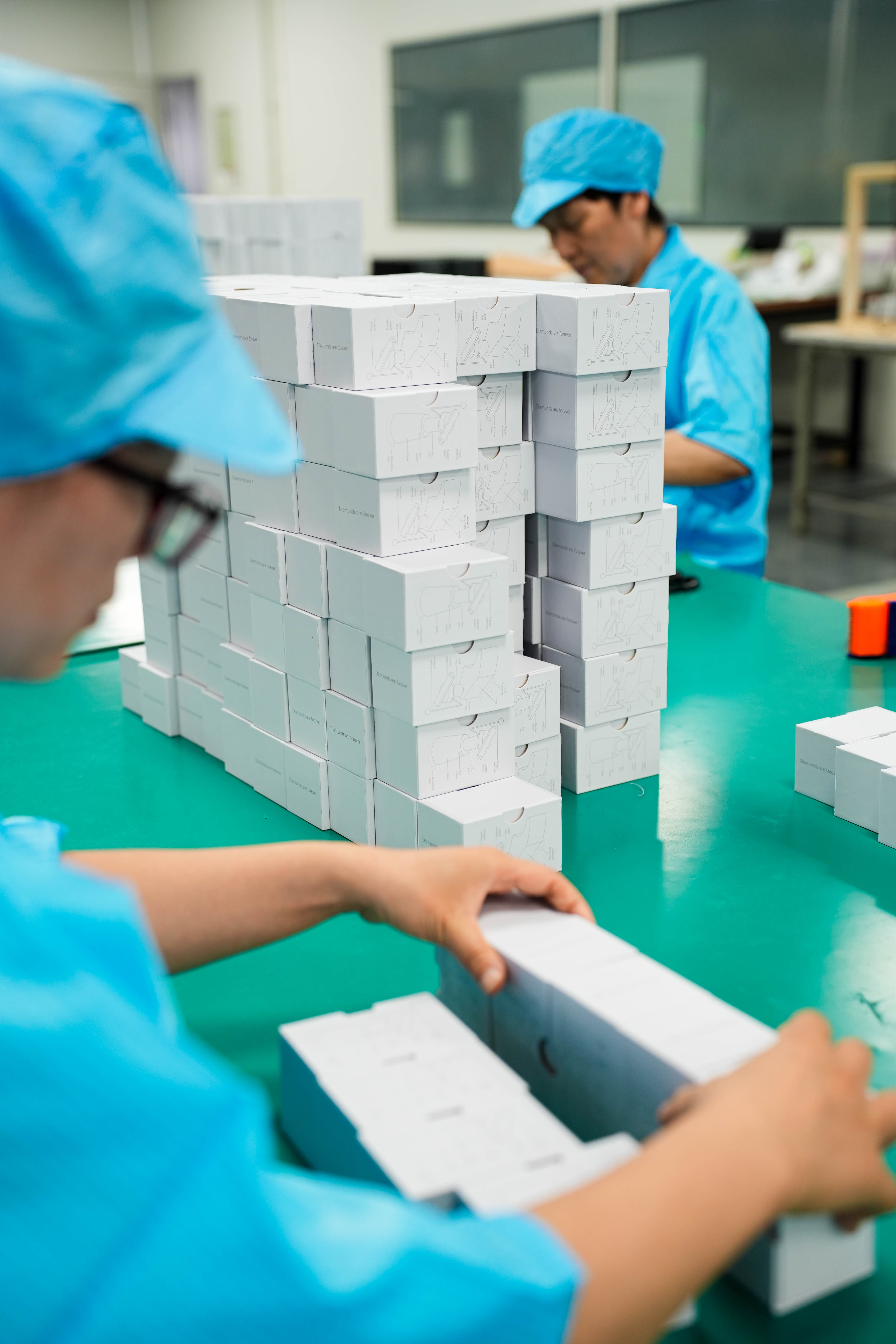
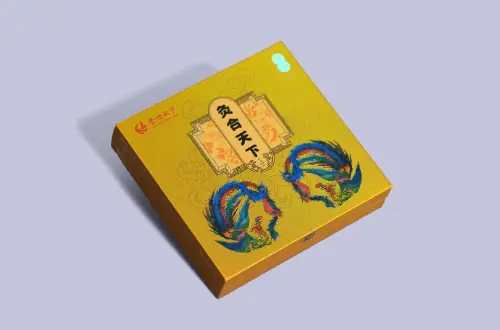
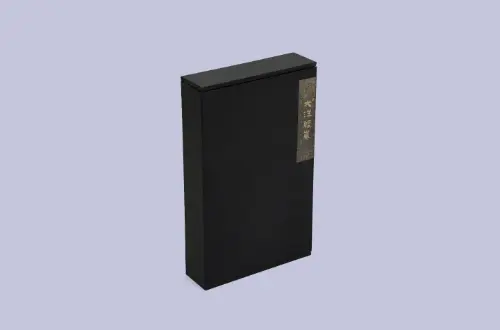
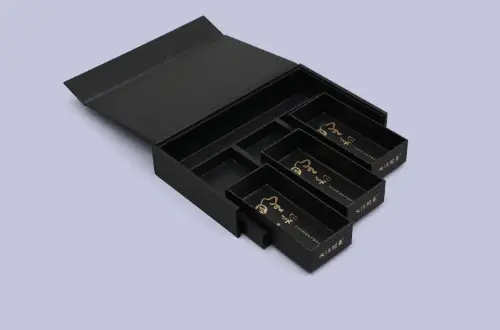
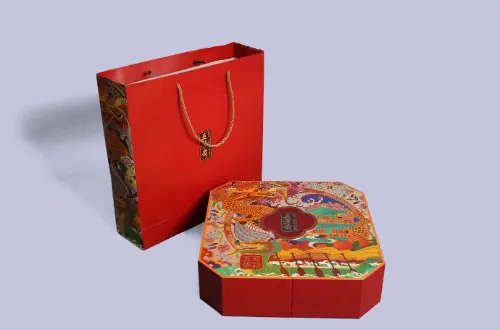
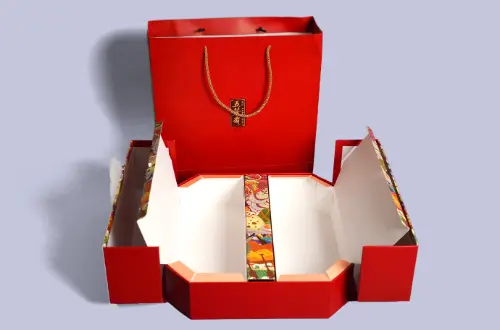
Seasonal packaging is custom packaging built for a specific occasion or time of year (Christmas, Lunar New Year, Valentine's Day, Ramadan, Diwali, summer). Limited-edition packaging is built for a fixed, short run rather than a permanent line. Both make a product feel worth choosing, gifting, and keeping, but only when the production holds up. A seasonal box that feels cheap damages a brand more than no seasonal box at all, because it cuts a corner at the most visible moment of the year.
Most guides cover the design side. This one covers the part that decides whether the run actually lands: structure, finishes, minimums, and timing, from a custom packaging manufacturer's side of the table.
Which structure for which seasonal run
The format sets the perceived value and the cost ceiling before any artwork exists. Choose it first.
The premium-but-efficient move: keep one consistent base structure year-round and let the seasonal expression live in print and finish. You get a fresh look each cycle while reusing tooling and holding box quality steady.
Finishes that signal premium (and which photograph well)
Finish, not artwork alone, is what reads as premium in hand and on camera. For a seasonal edition that lives or dies on unboxing photos, this matters more than usual.
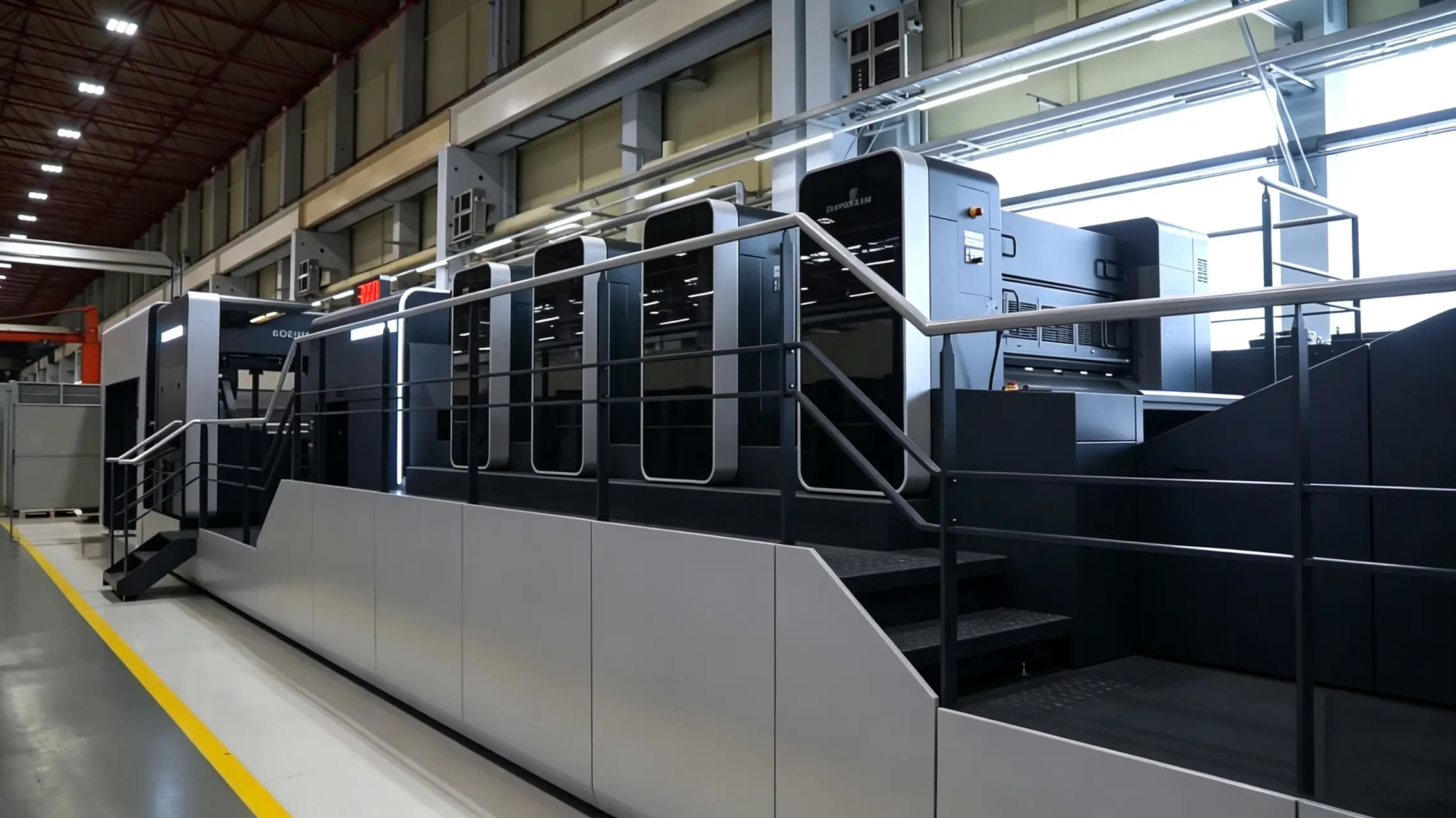
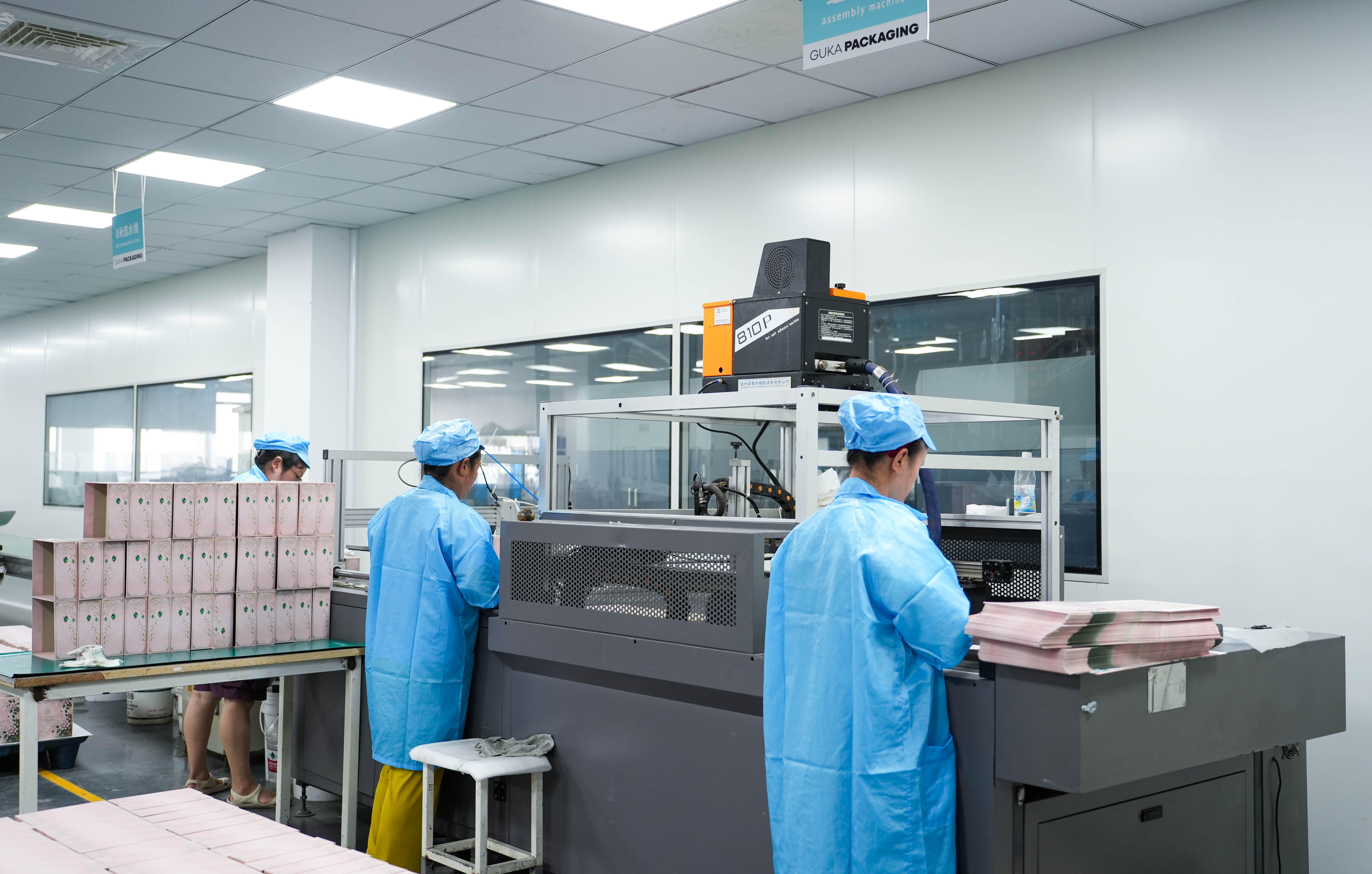
The discipline is restraint. One or two strong finishes on a clean structure beat a box that uses all six. GUKA runs printing, silk-screen printing, foil stamping, embossing, spot UV, and other finishing processes in-house, which keeps color and finish consistent across the run.
The seasonal packaging timeline
Seasonal runs fail on timing more than design. Work backward from the on-shelf date, not the order date. Artwork and the dieline sit before this and are usually supplied by your brand or design team. Sampling is the step brands skip and regret, because color and finish look different in hand than on screen and a dated run gives you no room to re-print.
As a directional plan, allow roughly 10 to 12 weeks from sample sign-off to on shelf, and add buffer for complex finishes or peak-season shipping. GUKA supports structural design, material selection, and finishing recommendations, while final artwork is usually supplied by the brand or its design team.
Countdown for a clean launch:
- Lock occasion, structure, budget, and quantity
- Finalize artwork and dieline (usually brand-supplied)
- Approve a physical sample (structure, color, finish)
- Mass production
- Freight plus a customs and peak-season buffer
- On shelf, ahead of the season opening
Limited-edition mechanics that protect brand value
A limited edition only works if "limited" is real and the brand still reads through the festive layer.
Keep your logo, core colors, and type recognizable. The seasonal treatment sits on top of the brand, it does not replace it. Make scarcity tangible with numbered runs, a stated edition size, or a collectible structure people keep. And use neutral seasonal language where possible ("Winter Edition" over a single-holiday label) so unsold stock stays sellable instead of expiring the day after the occasion.
Seasonal food, gift, and confectionery packaging
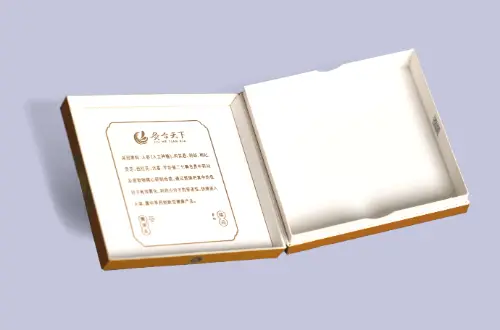
Food and gift brands gain the most, because the product is already bought for an occasion. For premium chocolate, tea, coffee, and confectionery, a rigid box or a well-finished folding carton turns a standard product into a giftable seasonal item. Hampers and multi-product sets depend on inserts (paperboard, molded fiber, or foam) as much as the outer box. The bar for seasonal gift packaging: it should look complete enough that the buyer never reaches for wrapping paper.
Sourcing a manufacturer for a seasonal campaign
For a dated run, the manufacturer relationship matters more than usual, because there is no second chance on timing or color. Confirm two things before you commit:
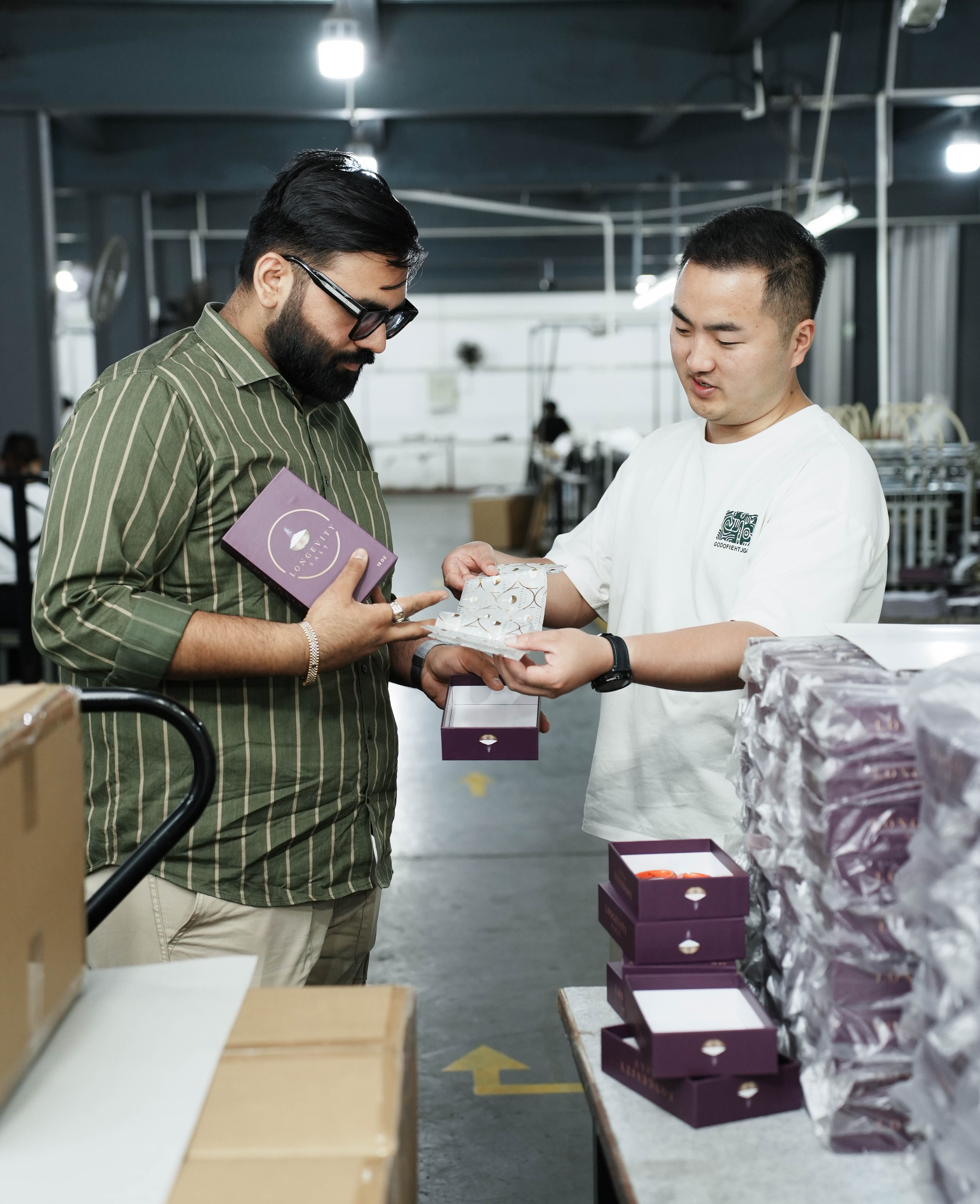
Sampling, so you sign off on real structure, print, and finish before mass production. And color consistency, so every unit matches across the batch and reads the same on shelf. Ask for the lead time in writing against your on-shelf date, and confirm the minimum, which should flex for a launch rather than push you into year-round volumes.
GUKA produces custom seasonal and limited-edition packaging for brands worldwide: in-house structure and finishing, sample rounds before production, and delivery planned around your launch. Minimums depend on structure, finish, and budget, with seasonal runs typically starting from around 500 units for qualified projects.
Start a custom packaging brief and request a sample. The earlier structure and finish are locked, the better the edition lands.
Recommended for you
.avif)
.avif)


.avif)
.avif)


You Might Enjoy


Are we right for each other?
We work best with brands that treat packaging as part of the product, not as the last thing on the list. To save us both time, here is who we work with best.
We're probably not the right fit if:
- Orders under $1,000.
- A few boxes, one time.
- Lowest quote wins.
- No conversation, just add-to-cart.
- Brand direction still up in the air. Our FAQ covers the basics first: process, scale, sampling, finishing, production. Worth reading before submitting anything.
We're a strong fit if:
- Projects starting around $1,000 and up.
- Sampling before production makes sense to you. It runs from $300, though complete artwork and locked specs can sometimes skip straight to the line.
- There's real budget behind the packaging, and an expectation that production standards get defined properly.
- What's needed is a manufacturing partner across structure, material, process and delivery. Not a print shop taking a file.
- The box has a job: retail shelf, gifting, unboxing. It has to carry the brand.
- Getting it right matters more than getting it cheapest.
Sound like your project? Let's talk
What happens after you submit
1. A specialist reviews your project, usually within 1 business day.
2. We follow up with questions, options, and indicative pricing.
3. Once the spec is confirmed, we move to sampling.