What Is a PR Package and Why Is It Important?
Learn what PR packages are, how brands use them, and what makes a custom PR box effective, from product presentation and materials to manufacturing costs.
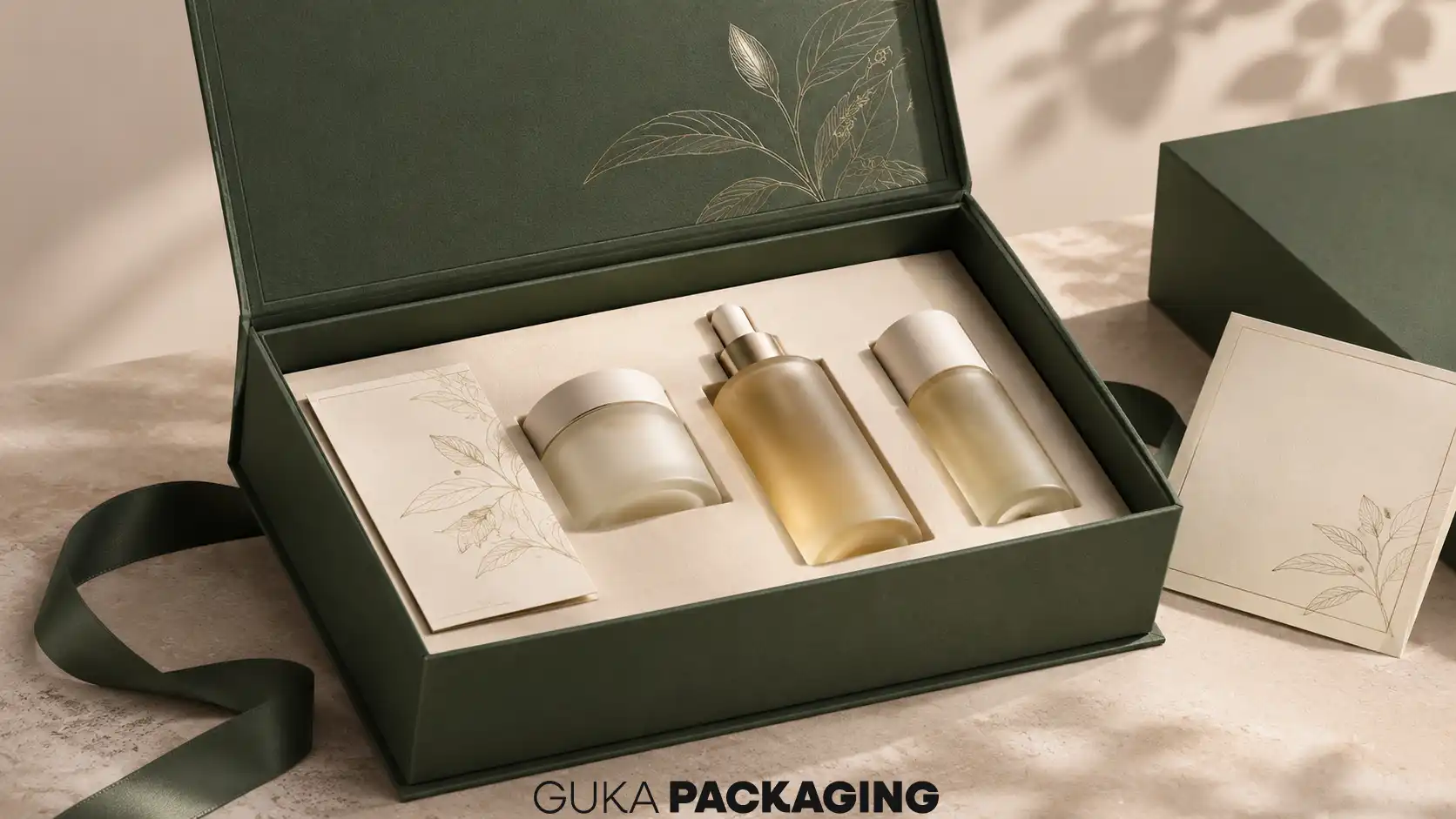
Table of content
A PR package is a curated collection of products sent by a brand to influencers, journalists, content creators, or selected customers to introduce a product and encourage publicity. PR stands for public relations, and these packages are commonly used for product launches, influencer gifting, media outreach, and seasonal campaigns.
Most PR packages contain a featured product, a personalized note, product information, and branded packaging. Recipients may share an unboxing video, review, or social media post, although traditional PR gifting generally carries no contractual requirement to publish content.
Packaging is especially relevant to campaigns involving visual content. A fragrance presented inside a fitted rigid box communicates a different impression from the same bottle delivered in ordinary protective packaging. The way the product is arranged, revealed, and protected influences how recipients experience and photograph it.
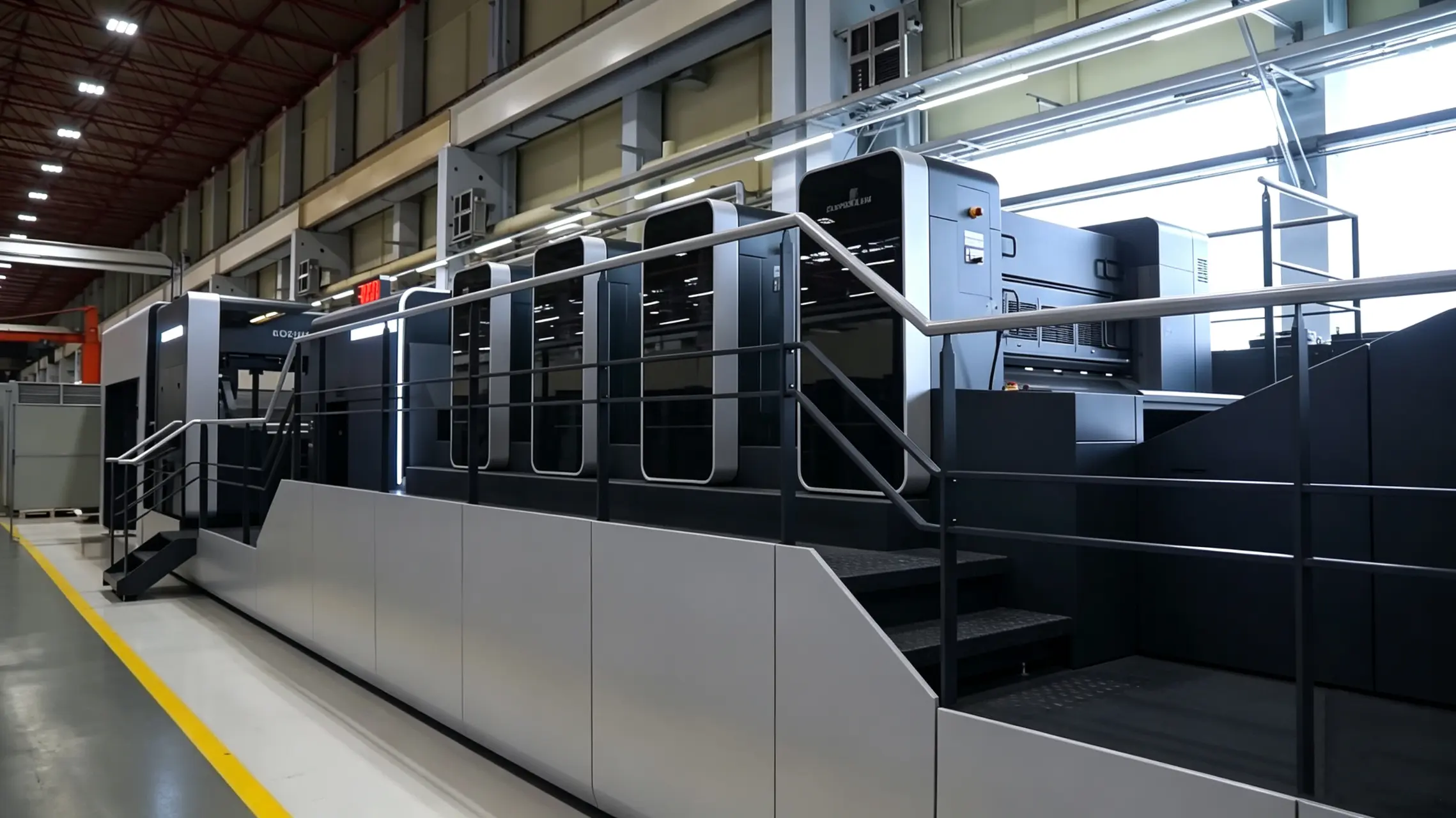
At GUKA Packaging, we manufacture custom rigid boxes, folding cartons, and corrugated packaging for premium brands. Our capabilities cover structural development, specialty printing, fitted inserts, and decorative finishing, including packaging designed around specific products and presentation requirements.
Key Takeaways
- PR packages introduce products through targeted gifting. They give creators and media contacts an opportunity to experience products and share independent opinions.
- Recipient relevance influences campaign results. A carefully selected gifting list can generate more meaningful interest than broad distribution.
- Custom PR boxes support product presentation. The opening style, interior arrangement, and branding affect the unboxing experience.
- Manufacturing decisions affect cost and feasibility. Box structures, inserts, materials, finishing, and order quantities should be planned together.
- Campaign success extends beyond unboxing views. Relevant engagement, product interest, website activity, and attributable sales provide a clearer picture of performance.
Why Brands Use PR Packages in Marketing
PR gifting gives companies an opportunity to introduce products through people who already communicate with relevant audiences. Skincare brands often send new formulations to beauty creators, while fragrance companies may provide samples to perfume reviewers and editorial contacts.
These recipients can examine the products, share their experiences, and introduce the brand to potential customers. The resulting coverage may feel more personal than a conventional advertisement because the creator controls how the product is presented and discussed.
Three Common Reasons for PR Gifting
- Product launches and awareness. Sending products ahead of a release gives selected recipients time to experience them and potentially introduce the launch to their audiences.
- Organic reviews and unboxing content. Creators may demonstrate product features, discuss their experience, or share the opening sequence through photographs and videos. Our unboxing videos guide explains how product reveals, packaging details, and presentation choices can support short-form content.
- Brand recognition and relationships. Consistent product presentation can strengthen familiarity with a brand, while relevant gifting can establish relationships with creators and media contacts.
Recipient selection deserves as much attention as the gifting concept. A campaign reaching 30 creators who regularly discuss premium skincare may generate more qualified interest than one reaching 100 creators with unrelated audiences.
The products also need to justify the attention they receive. A visually impressive box may encourage someone to open or photograph it, but the product's relevance, quality, and usefulness influence what they ultimately choose to share.
Organic PR Gifting and Paid Collaborations
Traditional PR gifting generally allows recipients to decide if they want to publish content. A creator may post a detailed review, mention the product briefly, or keep the gift without sharing it publicly.
Paid influencer partnerships operate differently because compensation, deliverables, posting schedules, and usage rights can be established through an agreement.
US campaigns should also account for disclosure requirements. The FTC's Endorsement Guides explain that receiving free products can create a material connection when a creator endorses a brand, even without monetary payment. Brands should provide clear disclosure guidance to recipients and communicate that gifted products must be identified appropriately in resulting endorsements.
What Should Be Included in a PR Package?
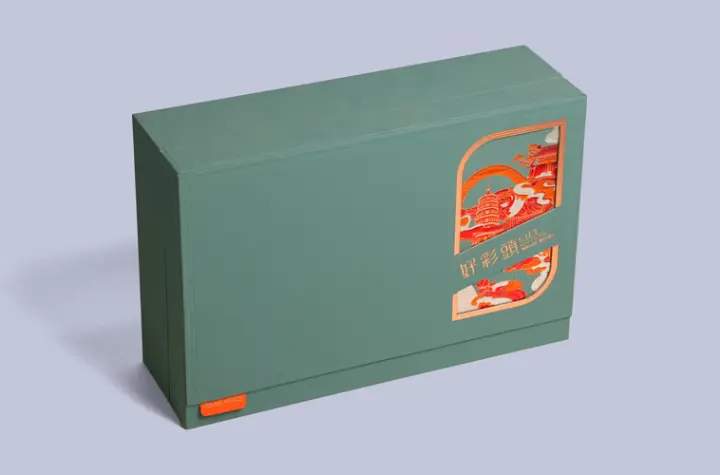
A PR package should help the recipient understand the featured product without overwhelming them with unrelated promotional items. Our custom gift boxes demonstrate how different box structures, branded exteriors, and fitted inserts can be used to present coordinated product sets.
A premium skincare launch centered on a new serum, for example, may include a complementary moisturizer to demonstrate the intended routine. Campaigns built around a surprise reveal can take a different approach, with concealed products or staged compartments creating anticipation during opening. Our mystery box packaging guide covers these arrangements in more detail, while also addressing product selection and packaging design.
Make the Featured Product Easy to Identify
The main product should receive the strongest visual emphasis when the package is opened. Its position, surrounding space, and relationship to supporting items can establish a clear hierarchy without adding unnecessary decoration.
Consider a skincare set containing three bottles of similar dimensions. If the campaign promotes one new serum, the interior tray can position it centrally or give it a more prominent presentation area. The remaining products can support the arrangement without competing for attention.
Product information should also remain accessible. A concise card explaining the featured product's use, ingredients, or launch details gives recipients information they can reference when discussing the product.
Consider How the Contents Will Be Handled
PR packages are frequently opened, photographed, and repacked during content creation. Products should remain organized throughout these activities, with enough clearance for recipients to remove each item comfortably.
Fragile glass bottles, heavy containers, and irregularly shaped products may require fitted inserts. Lightweight accessories can use simpler compartments or supports, depending on the intended presentation and shipping conditions.
The interior should accommodate the actual products, including caps, handles, raised details, and any areas that need protection from contact with other items.
The PR Box Design Should Begin With the Product
Custom PR boxes are often discussed in terms of exterior appearance, particularly colors, printing, and decorative finishes. However, the product arrangement determines many of the structural requirements that influence the finished packaging.
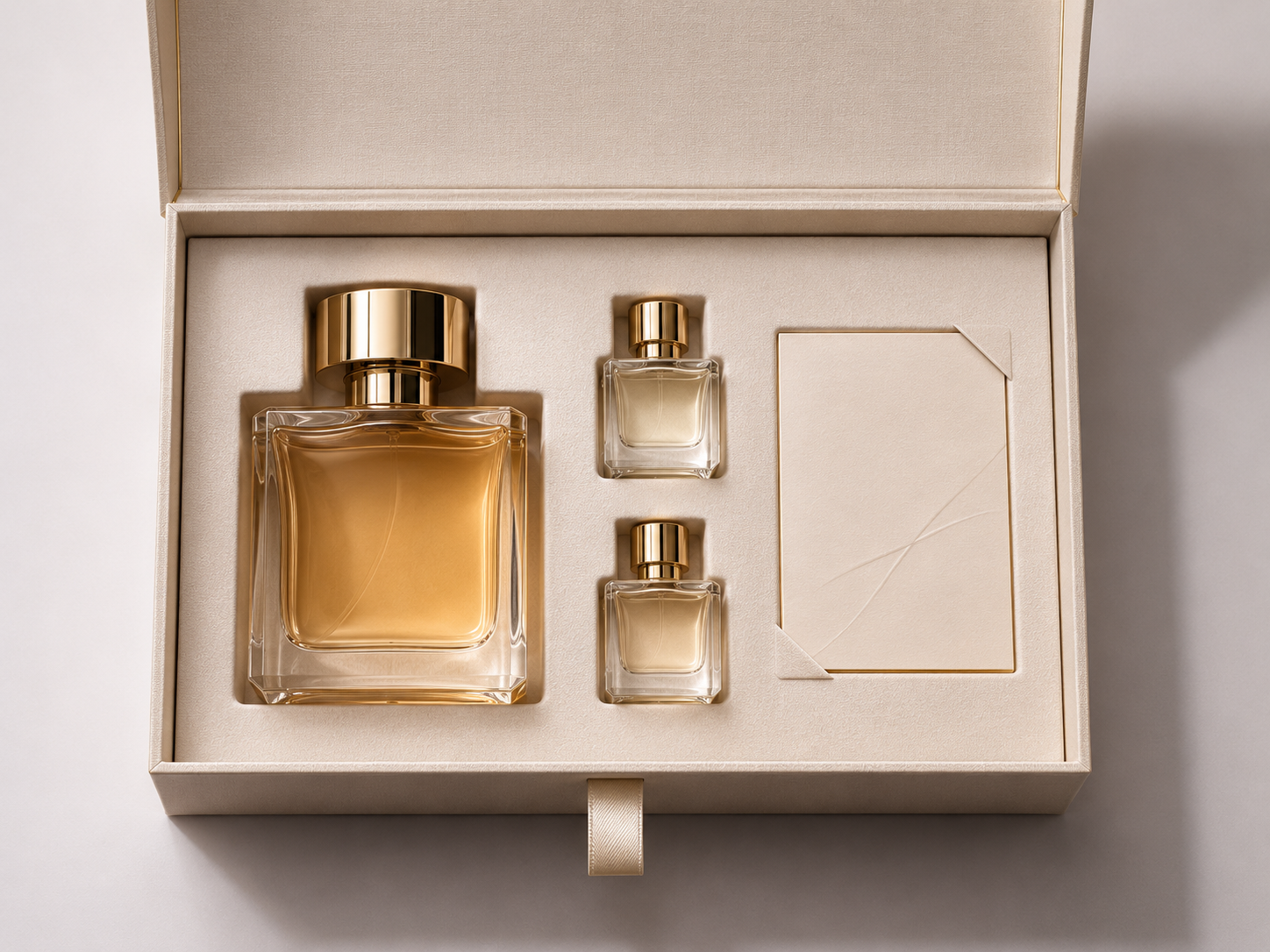
Consider a hypothetical fragrance campaign containing a 100 ml glass perfume bottle, two miniature samples, and a printed product card. The main bottle needs a secure position, while the smaller samples must remain visible and separated during handling.
A large magnetic box might provide the desired presentation, but its interior needs to accommodate these differences. A deep insert could conceal the main bottle's label, while poorly fitted cavities could allow the miniature samples to shift during transportation.
Developing the interior around the physical products allows the manufacturer to establish suitable dimensions, structural supports, and material specifications before decorative finishing is confirmed.
Selecting a Suitable PR Box Structure
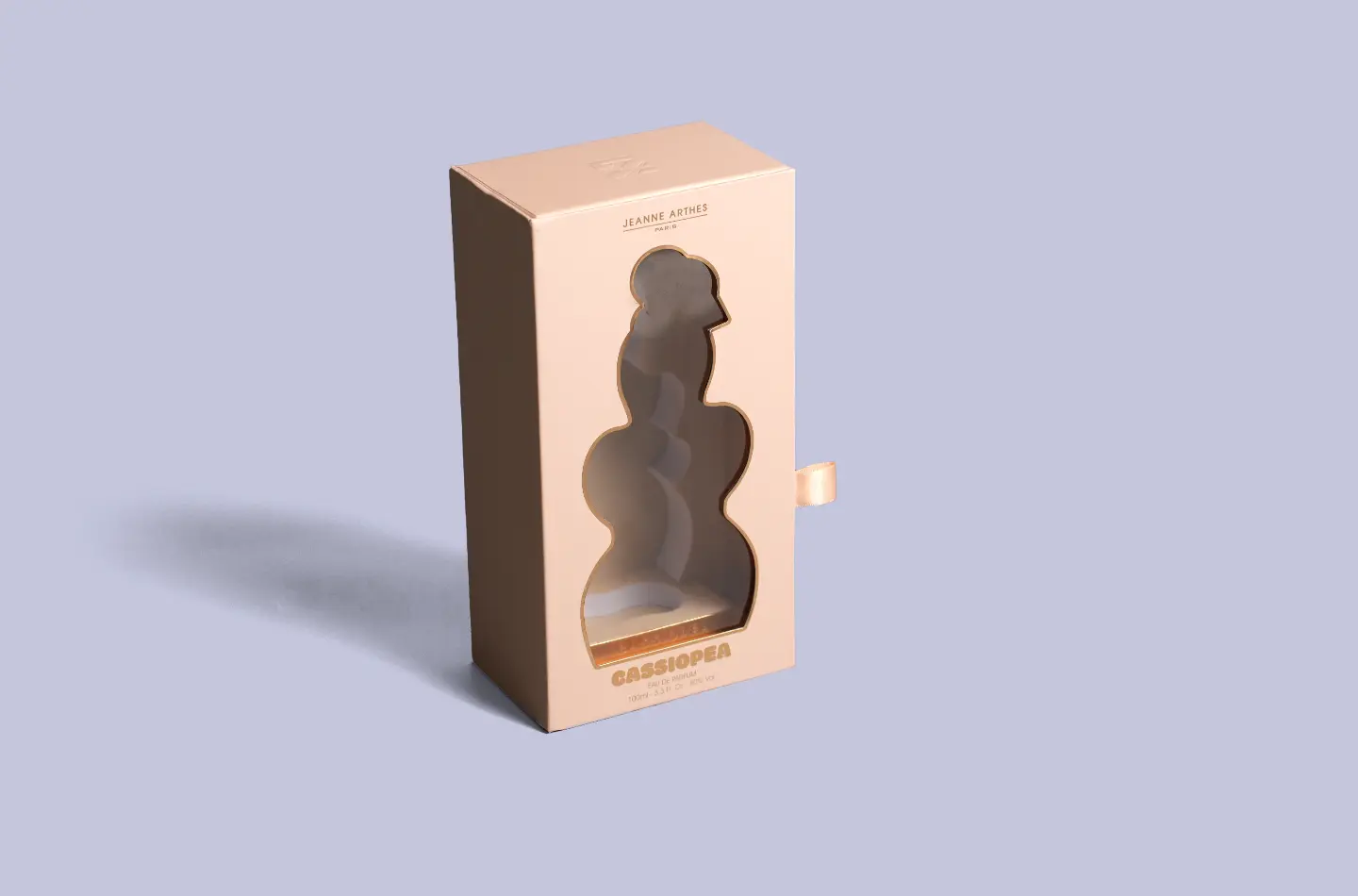
Different packaging constructions offer distinct opening experiences and manufacturing requirements. A custom rigid box may suit a premium product launch, while a printed corrugated mailer can be more practical for a larger gifting program.
The opening mechanism can also influence how easily a package is photographed.
- Magnetic closure rigid boxes keep the lid attached, allowing the contents to be revealed through a hinged opening.
- Two-piece rigid boxes provide a completely open presentation once the removable lid is lifted.
- Drawer-style boxes introduce a pull-out interaction that can suit smaller products or premium accessories.
- Corrugated mailers offer practical folded constructions that can incorporate custom printing and protective interiors.
At GUKA Packaging, our published rigid box range includes WC217, a book-style magnetic perfume box featuring gold foil, a display window, and a fitted EVA and gold-card insert.
This product demonstrates how structural design, decorative finishing, and internal support can be combined within one packaging format. Its construction provides a useful manufacturing reference for premium gifting projects, although it is not presented as a completed influencer campaign case study.
Selecting the Right Custom Insert
A custom insert keeps products positioned inside the box and can contribute to the visual arrangement. The suitable material depends on product weight, geometry, surface characteristics, and the support required during shipping.
- EVA or EPE foam can provide fitted cavities for fragile bottles and heavier products. Foam density and cavity dimensions should be assessed against the actual product.
- Die-cut paperboard can form partitions, folded supports, and compartments for lighter products requiring defined separation.
- Molded fiber can provide shaped support, with surface texture and dimensional accuracy assessed during sampling.
- Thermoformed trays can accommodate particular product profiles when a formed interior offers suitable support and presentation.
Insert thickness and cavity design influence the finished box dimensions, material consumption, and assembly requirements. A thicker foam insert, for example, may provide suitable support but also require a deeper box.
Physical product samples are useful during development because they allow the manufacturer to check contact points, removal clearance, and product stability. These characteristics are difficult to confirm accurately from photographs alone.
Premium Presentation Without Unnecessary Packaging
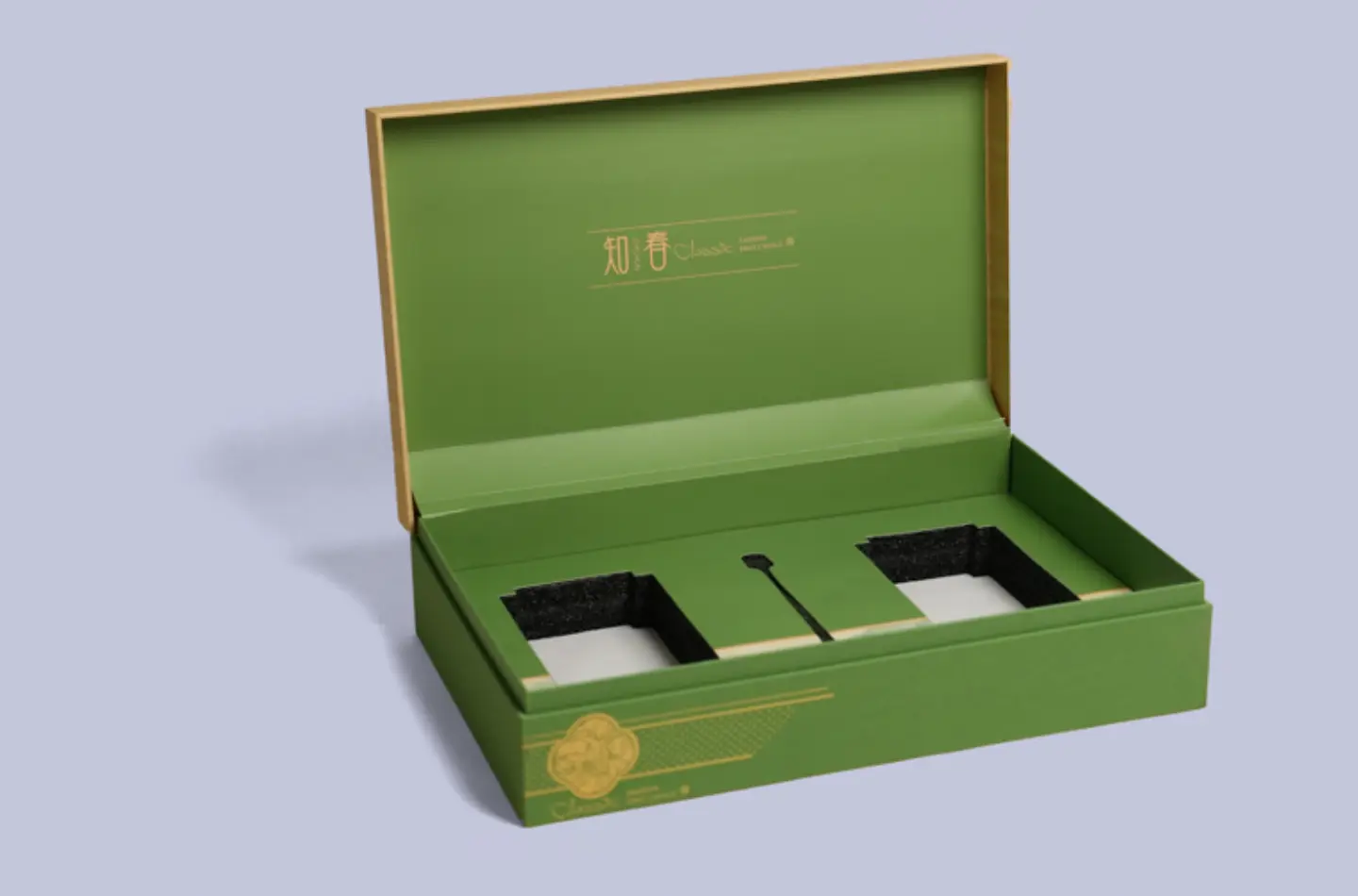
Premium PR packaging often uses specialty papers, foil stamping, embossing, or interior printing to communicate brand identity. Each treatment contributes different visual characteristics and introduces its own manufacturing requirements.
A rigid fragrance box wrapped in textured paper with a restrained foil-stamped logo may communicate the intended brand positioning effectively. Adding multiple decorative effects can increase manufacturing complexity and cost, particularly when those elements contribute little to the final presentation.
The relationship between the products and the package is equally important. A large box containing several small items may require additional inserts or fillers simply to maintain the intended arrangement.
Designing for the Unboxing Experience
An effective opening experience allows the recipient to identify and access the products comfortably while maintaining their presentation.
A magnetic book-style box creates a controlled reveal, while a two-piece box provides a broad presentation area once the lid is removed. Drawer boxes offer a different interaction, with the contents revealed as the tray is pulled outward.
Physical sampling should examine the completed packaging under normal handling conditions. The team can review the following characteristics together.
These checks help determine if the selected design works as intended once it has been manufactured and packed.
Planning Custom PR Boxes for Different Campaign Sizes
A campaign distributing 100 premium PR boxes has different manufacturing economics from one requiring 1,000 units. Both may use similar structures, but their material requirements, setup costs, finishing choices, and assembly operations can result in different unit prices.
A limited VIP campaign may justify specialty papers, complex inserts, and additional decorative treatments because each package is intended for a carefully selected recipient. A larger product launch may benefit from simplifying certain components while retaining recognizable branding.
What Influences Custom PR Box Pricing?
Custom packaging is quoted according to its approved manufacturing specifications. Dimensions, construction, material selection, printing, finishing, inserts, and order quantity all contribute to the final price.
Packaging assembly
Affects manual or automated handling requirements
A purchasing team comparing two PR box quotations should examine the underlying specifications. Differences in paperboard thickness, wrapping material, insert construction, or finishing can explain variations in price even when the boxes look similar in photographs.
GUKA's published custom packaging requirements currently specify a minimum project value of USD 2,000, with smaller production quantities considered when the order meets that value.
At quantities such as 100 or 200 units, tooling and setup may represent a greater share of the manufacturing cost. The resulting unit price can therefore be higher than for a larger production run using the same approved structure.
Packaging Cost and Campaign Cost
A custom box quotation generally covers the specified packaging and related manufacturing components. The complete gifting campaign may also include products, printed notes, assembly labor, shipping, and recipient distribution.
Consider a hypothetical campaign with a total budget of USD 15,000 for 300 delivered PR packages. This represents an average campaign expenditure of USD 50 per delivered package, including all costs covered by that budget.
The packaging allocation should be established alongside product and distribution expenses. A premium presentation box ma be commercially appropriate for a high-value fragrance launch, while a simpler construction may free up budget for additional recipients or higher-value products.
Production Timing Can Affect the Entire Campaign
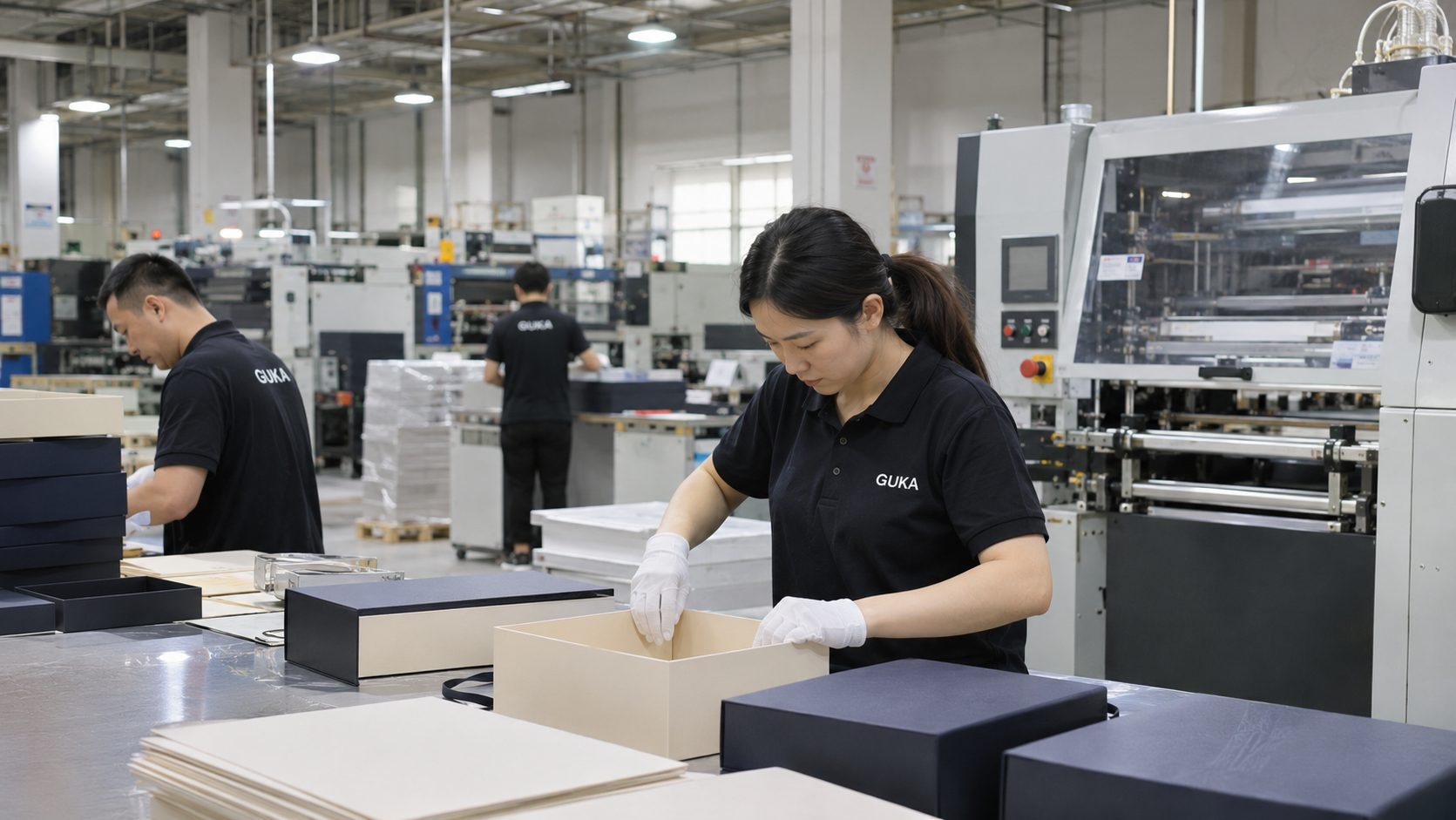
PR campaigns often operate around fixed launch dates, seasonal promotions, or coordinated influencer activities. Packaging development needs sufficient time for structural sampling, artwork approval, bulk manufacturing, shipping, and final assembly. Our seasonal and limited-edition packaging guide explains how packaging structures, finishing requirements, and production schedules can be planned around a fixed campaign deadline.
The initial specification process is especially important because changes to product dimensions, inserts, finishing, or artwork can require sample revisions. Finalizing these details before production helps establish a more reliable manufacturing schedule.
GUKA's published guidance provides typical sampling times of approximately 3 to 5 days, depending on the sample type and complexity. Structural white samples are used to review dimensions and fit, while printed samples support approval of materials, printing, and finishing.
Standard bulk production generally takes 15 to 20 days after final file confirmation and deposit. More complex finishes, accessories, and production requirements can affect this period, while shipping and campaign assembly require additional planning.
Review Physical Samples Before Production
A completed sample allows the purchasing team to assess the proposed structure using the actual products.
The approval should cover the following areas.
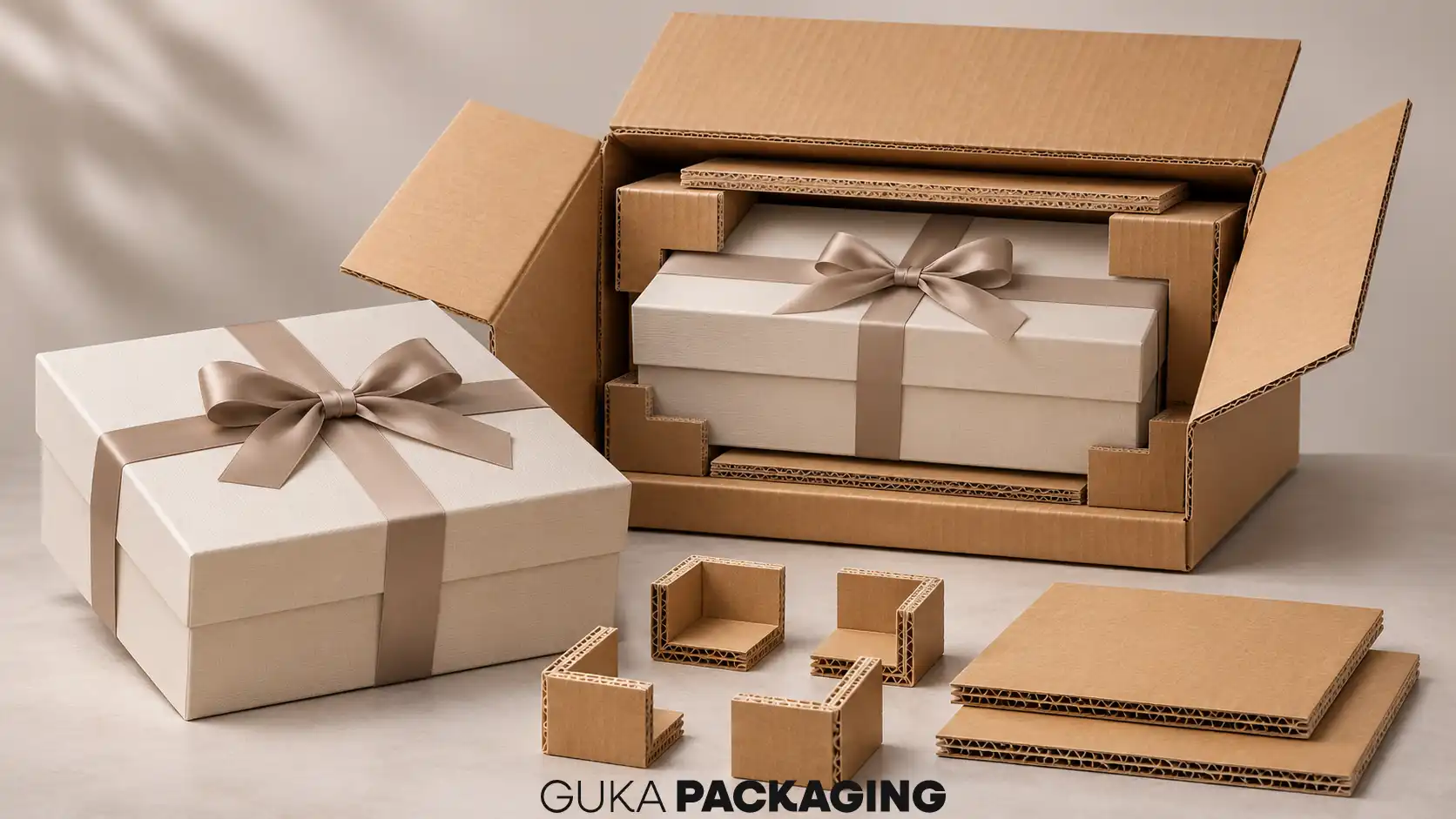
Packaging intended for international delivery may require custom corrugated boxes around the decorative presentation box. The outer carton should be developed around the packed weight, protective clearance, and handling requirements, since its dimensions affect both product protection and shipping volume. Brands shipping individual PR kits can also refer to ISTA's packaging test procedures, including Procedure 3A for parcel shipments up to 150 lb (70 kg), when assessing suitable transit testing requirements.
Manufacturing and Influencer Fulfillment
Producing 500 empty custom boxes and delivering 500 completed gifts to individual creators involve different operations.
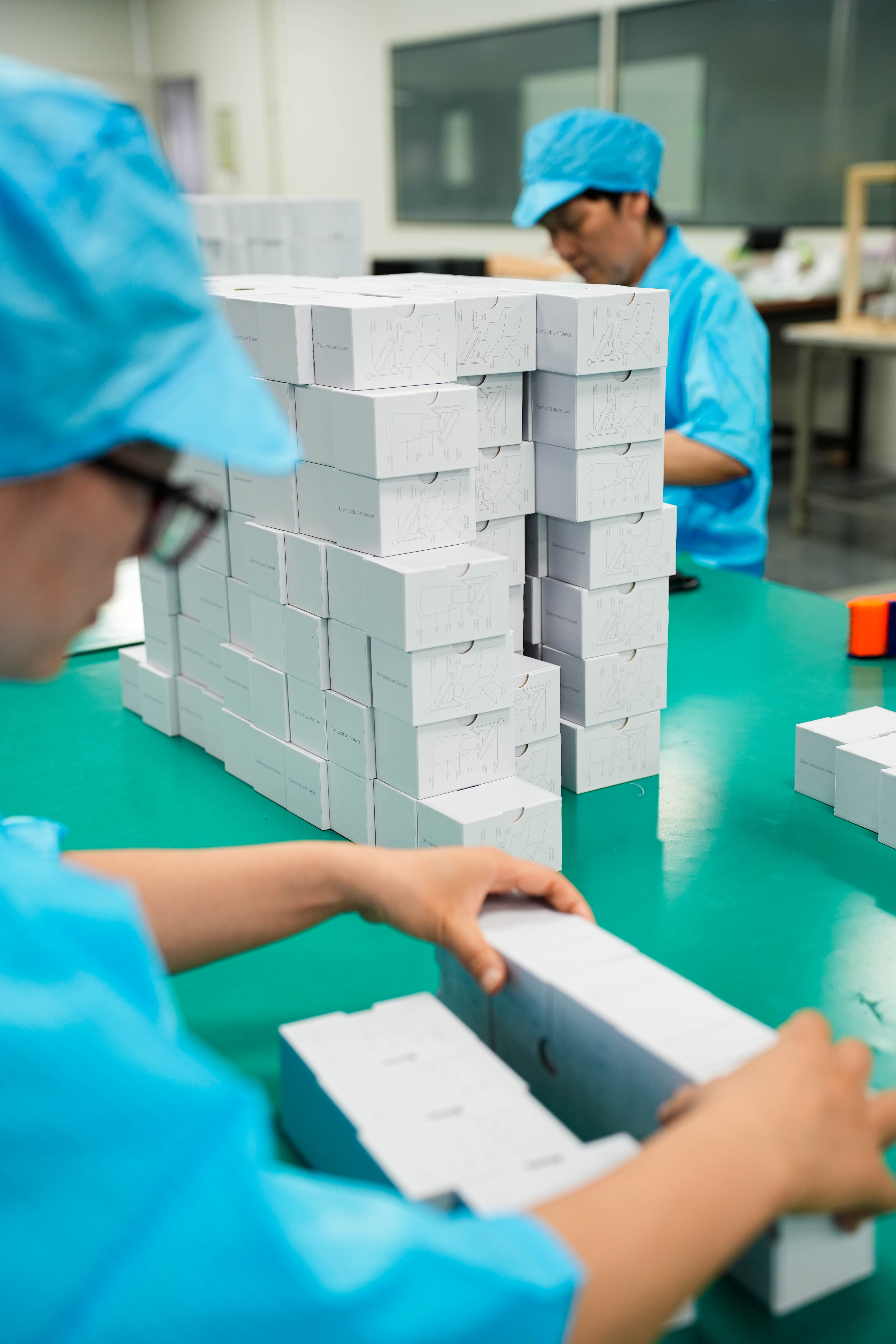
Packaging manufacturing covers the approved boxes, inserts, and specified components. Influencer fulfillment may involve placing products inside the boxes, adding personalized materials, preparing recipient labels, and arranging individual shipments.
US marketing teams sourcing packaging from overseas should establish where the completed kits will be assembled. This decision influences freight arrangements, packing requirements, and the preferred packaging construction.
Connecting PR Packaging to Campaign Performance
PR gifting can contribute to brand awareness and product interest, but campaign results should be assessed against the original marketing objectives.
An unboxing video with substantial views may introduce a product to a large audience. A smaller review from a specialist creator, however, may generate more relevant interest among potential customers who are already considering products in that category.
The packaging contributes by presenting the product clearly, supporting safe delivery, and making the brand recognizable when content is shared.
Campaign landing pages, trackable links, and creator-specific codes can help identify attributable activity. Google Analytics explains how campaign URLs with UTM parameters can identify traffic sources and individual marketing campaigns, allowing brands to compare visits generated through different creator placements. These measurements provide useful evidence of audience interest, although some purchases may occur later or through channels that cannot be directly attributed to a particular creator.
The product should also remain identifiable after the unboxing. Clear labels, recognizable graphics, and consistent product naming help viewers connect the content they have seen with the product available for purchase.
Organic PR Gifting and Paid Partnerships
A gifted PR package generally provides no guarantee of published content, while paid influencer agreements can establish deliverables, deadlines, compensation, and usage rights.
US campaigns should follow applicable Federal Trade Commission disclosure requirements when creators endorse gifted products. Brands should also confirm content usage permissions before incorporating creator photographs or videos into paid advertising.
These considerations belong in campaign planning alongside packaging production because they affect how the gifted products will be promoted after delivery.
Preparing a Custom PR Packaging Brief
A packaging manufacturer needs accurate product and project information to recommend suitable structures, materials, and manufacturing specifications.
At GUKA Packaging, structural recommendations and pricing depend on the products, required quantity, material specifications, finishing preferences, and delivery schedule. Supplying these details helps the manufacturing team evaluate practical options for the proposed campaign.
Information to Prepare Before Requesting a Quote
Products and presentation
- Featured products and quantities per box
- Product dimensions, weights, and photographs
- Fragile components or sensitive surfaces
- Preferred interior arrangement and opening style
Design and manufacturing
- Brand artwork and color references
- Preferred box structure and materials
- Printing and decorative finishing requirements
- Custom insert or accessory requirements
Commercial requirements
- Estimated order quantity
- Target packaging budget
- Intended shipping destination
- Required delivery date
- Artwork and sample approval status
Physical product samples are particularly useful for projects involving glass bottles, unusual shapes, or complex inserts. When the packaging concept is still being developed, accurate dimensions and reference photographs can help establish structural requirements before detailed drawings are prepared.
GUKA manufactures custom rigid boxes, folding cartons, corrugated boxes, and related packaging components for premium brand projects. Our structural development and sampling capabilities can help purchasing teams compare constructions and prepare specifications for bulk production.
Ready to Produce Your Custom PR Boxes?
Bring your PR packaging concept to production with GUKA Packaging. Share your product dimensions, estimated quantity, preferred box style, target budget, and delivery deadline. Our team will review suitable box structures, protective inserts, finishing options, and production requirements before providing indicative pricing and sampling recommendations.
Contact us to request a custom PR box quotation. Our packaging specialists typically respond within one business day.
Conclusion
PR packages introduce products through targeted gifting, giving creators, journalists, and selected recipients an opportunity to experience them and share independent opinions.
Their effectiveness depends on product relevance, recipient selection, and campaign planning. Custom packaging supports these efforts by presenting products clearly, protecting them during delivery, and communicating a recognizable brand identity.
Manufacturing decisions should reflect the products and their intended distribution. Box construction, fitted inserts, materials, printing, order quantities, and shipping protection all influence the finished presentation and overall production cost.
GUKA Packaging supports custom packaging production through structural development, material selection, physical sampling, specialty printing, and quality control. A detailed campaign brief allows our team to assess suitable manufacturing options for the intended products, quantity, and delivery requirements.
Frequently Asked Questions
What is a PR package?
A PR package is a collection of free products and branded materials sent to influencers, journalists, or selected recipients to introduce a product or brand. It commonly contains a featured product, product information, and customized packaging. Recipients may voluntarily share reviews, social media content, or editorial coverage.
What does PR stand for in PR package?
PR stands for public relations. PR packages are used in marketing and media outreach to introduce products, encourage independent exposure, and develop relationships with relevant recipients. The term PR box refers specifically to the packaging used to present and deliver the contents.
Why are PR packages important for businesses?
PR packages can introduce products to relevant audiences through creator gifting, reviews, and media coverage. They also provide an opportunity to communicate brand identity through physical presentation. Campaign results depend on product relevance, recipient selection, and the quality of the resulting exposure.
Are PR packages free for influencers?
Yes. Traditional PR gifting provides products without charging recipients, and an unsolicited gift generally carries no obligation to publish content. Paid partnerships can establish specific deliverables, while gifted endorsements may require disclosure under applicable advertising rules.
How can influencers receive PR packages?
Influencers may receive PR packages through brand outreach, PR agencies, creator databases, or existing relationships with marketing teams. Brands commonly consider audience relevance, content quality, engagement, and product suitability when selecting recipients. Creators can also contact brands directly with a media kit and relevant work samples.
What should a PR package include?
A PR package usually includes the featured product, a personalized note, supporting product information, and protective branded packaging. Additional items should relate to the campaign. Fragile or irregular products may require custom inserts to maintain their position and protect them during delivery.
What is the best packaging for PR boxes?
Rigid magnetic boxes, two-piece gift boxes, drawer boxes, and corrugated mailers are common options. The suitable structure depends on product dimensions, campaign budget, desired presentation, and shipping requirements. Fragile products may also need fitted inserts and an additional protective shipping carton.
How much does a custom PR box cost?
Custom PR box pricing depends on dimensions, construction, materials, inserts, printing, finishing, and order quantity. GUKA Packaging currently publishes a minimum custom-project value of USD 2,000. The final unit price is determined by the approved specifications and production volume.
How long does custom PR box production take?
GUKA's typical bulk production period is 15 to 20 days after final file approval and deposit. Samples generally require approximately 3 to 5 days, depending on complexity. Design preparation, approval, transportation, and campaign assembly require additional scheduling time.
Can custom PR boxes include logos and specialty finishes?
Yes. Custom PR boxes can feature printed logos, brand colors, specialty papers, foil stamping, embossing, lamination, and fitted inserts. The selected treatments should be reviewed on physical samples to confirm their appearance, compatibility, and suitability for the approved packaging construction.
Do PR packages guarantee influencer posts?
No. Organic PR gifting generally leaves the recipient free to decide if they want to publish content. Campaigns requiring guaranteed posts should use a separate agreement covering deliverables, compensation, timing, and usage rights. The packaging can support the presentation but cannot guarantee coverage.
Can GUKA manufacture custom PR packaging for US brands?
Yes. GUKA manufactures custom packaging for international customers, including US brands. Available manufacturing options include rigid boxes, folding cartons, corrugated packaging, and fitted inserts. Buyers should provide their required quantity, product specifications, and destination so production and shipping arrangements can be reviewed.
Recommended for you




You Might Enjoy

Are we right for each other?
We work best with brands that treat packaging as part of the product, not as the last thing on the list. To save us both time, here is who we work with best.
We're probably not the right fit if:
- Orders under $2,000.
- A few boxes, one time.
- Lowest quote wins.
- No conversation, just add-to-cart.
- Brand direction still up in the air. Our FAQ covers the basics first: process, scale, sampling, finishing, production. Worth reading before submitting anything.
We're a strong fit if:
- Projects starting around $2,000 and up.
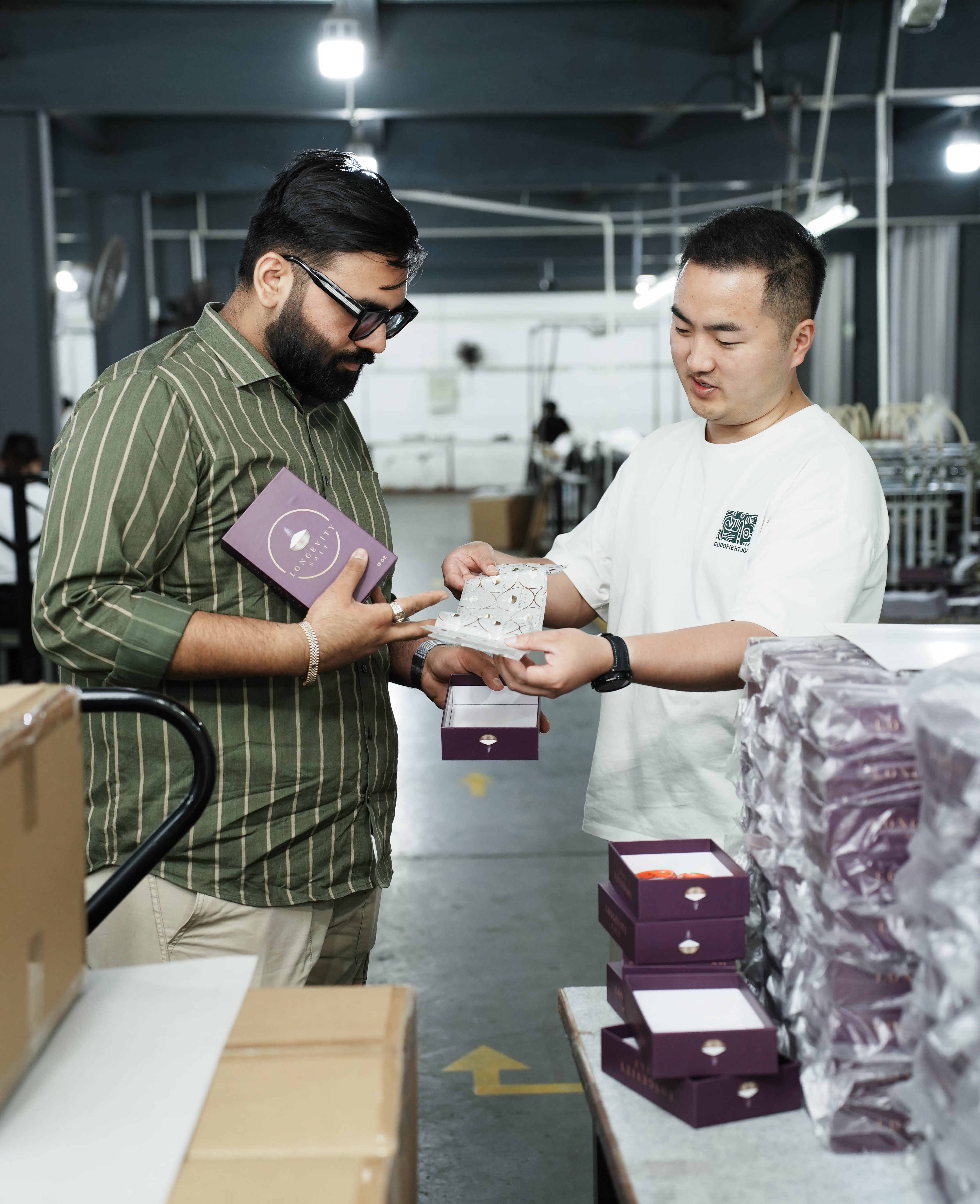
- Sampling before production makes sense to you. It runs from $300, though complete artwork and locked specs can sometimes skip straight to the line.
- There's real budget behind the packaging, and an expectation that production standards get defined properly.
- What's needed is a manufacturing partner across structure, material, process and delivery. Not a print shop taking a file.
- The box has a job: retail shelf, gifting, unboxing. It has to carry the brand.
- Getting it right matters more than getting it cheapest.
Sound like your project? Let's talk
What happens after you submit
1. A specialist reviews your project, usually within 1 business day.
2. We follow up with questions, options, and indicative pricing.
3. Once the spec is confirmed, we move to sampling.