Auto Parts Boxes: The Complete Guide to Automotive Parts Packaging
Smart, compliant, and cost-effective auto parts boxes: complete guide to automotive parts packaging, materials, ESD, VCI, lithium battery rules, returnable solu
Table of content
Packaging automotive parts is more than “a box on a pallet.” From tiny sensors and infotainment modules to windshields and engine blocks, every component has different protection, handling, and regulatory needs.
Choosing the right auto parts boxes and packaging strategy reduces damage rates, lowers landed cost, speeds line-side replenishment, and protects brand reputation across the U.S., Europe and Australia — where supply-chain expectations and regulations are exacting. This guide pulls together practical design principles, regulatory checkpoints and cost-saving strategies you can apply when specifying or buying automotive parts packaging — including rigid boxes, folding cartons, and heavy-duty corrugated solutions that GUKA Packaging can supply and customize.
Why Automotive Parts Packaging Matters
Good packaging prevents product damage, lowers returns and warranty costs, improves production uptime, and protects brand value when parts are sent to dealers, assembly plants or end customers. In regulated categories (lithium batteries, electronics) it’s also a compliance requirement. Evidence and industry manuals consistently show that optimized packaging reduces damage and total logistics spend — and in many cases reusable/returnable systems pay back over time.
How to Approach Packaging Design: Step-By-Step Framework
- Define the product profile: weight, size, fragility, surface finish, and whether it’s an electronic or hazardous item.
- Map the logistics journey: number of touch points, transport modes, outdoor exposure, and expected handling.
- Select protective and functional technologies: cushioning, ESD/antistatic materials, VCI, moisture barriers, or A-frames for glass.
- Decide single-trip vs returnable based on distance, frequency and return logistics.
- Prototype, test to standards, then iterate for cost and cube optimization.
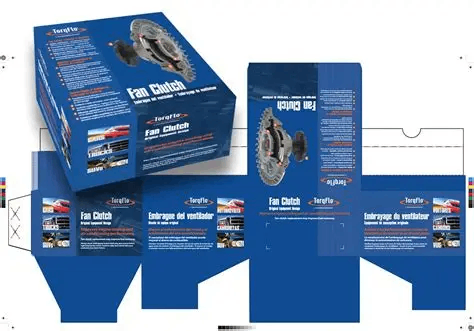
Key Design Considerations (the “must-ask” list for any auto parts box)
1. Product weight and load-bearing design
Heavy parts (gearboxes, engines, transmissions) need crates or multi-wall corrugated and secure palletization; small/light parts benefit from lightweight corrugated or folding cartons to save on freight. Work with packaging engineers to determine R-value, stacking strength, and pallet pattern so boxes survive distribution and storage. For large runs, optimizing corrugated flute, board grade and liner combinations pays dividends in durability and cost. Custom Boxes Now
2. Fragility and shock protection
Assess shock and vibration risk (lab data, carrier history). Use molded foam, die-cut corrugated inserts, or engineered dunnage to control part movement and absorb impacts. Even seemingly robust metal parts can be damaged at attachment points; local padding and spacing matter.
3. Surface-finish & scuff protection
Gloss paints, polished trims and plated surfaces need non-abrasive contact points. Use coated corrugated or soft pads and ensure parts don’t rub against corrugated flutes during transit — coatings and sacrificial interlayers are common solutions.
4. Electronics and ESD protection
Infotainment units, PCBs, and sensors require ESD-safe packaging. Conductive or dissipative board (e.g., Corstat® or conductive fiberboard) and anti-static inner bags can create a “Faraday” or ESD-safe enclosure to prevent electrostatic discharge damage. For high-value electronics consider conductive boxes that form a Faraday cage around the product.
5. Corrosion control – VCI (volatile corrosion inhibitors)
For bare metal parts shipped long distances or through humid conditions, VCI films, papers or coated boxes release corrosion-inhibiting vapor to protect internal and recessed surfaces — especially useful where greasing isn’t feasible. Follow supplier guidelines for VCI coverage (e.g., recommended sq. ft. of VCI per cubic foot of void space) and proper separation from acidic materials.
6. Lithium batteries & hazardous goods compliance
EV components and modules containing lithium-ion cells must comply with UN and national transport rules (UN3480/UN3481, IATA/DOT guidance). Packaging must prevent short circuits, contain thermal events where required, and often limit state-of-charge. Always validate packaging against the latest carrier and regulatory guidance and test documentation.
7. Glass and windshields — orientation, immobilization, A-frames
Large panes must be supported upright (A-frame or L-frame), immobilized with straps, protected with layered materials (foam + corrugated + weather wrap), and clearly marked to avoid rough handling. Design the crate to allow safe forklift access and secure fastening for sea or rail transport.
8. Returnable vs single-trip packaging
Returnable plastic totes/containers are efficient within closed loops (short haul, repeat routes) and can reduce damage and long-term cost; single-trip corrugated is usually better for aftermarket parts or long export routes. Perform a lifecycle cost analysis including reverse logistics, repair/cleaning, and storage to choose the right model.
9. Cube optimization and kit packaging
Right-sizing boxes, using nested or kit packaging (multiple parts shipped together), and minimizing void space reduce freight and material costs. Work with CAD, sample packing trials, and carrier cube-utilization data to optimize.
10. Sustainability & regulatory sourcing
Specify recycled content, FSC or SFI certified board, and design for recyclability at domestic markets (US, EU, AU). Many OEMs now require proof of sustainable sourcing and packaging targets — align materials and certificates with customer requirements.
Materials & Construction Options (when to use what)
- Single / double / triple wall corrugated — standard choice for most parts; select wall grade by stacking and load needs.
- Corrugated with coatings or Corstat® conductive board — for ESD and scuff protection.
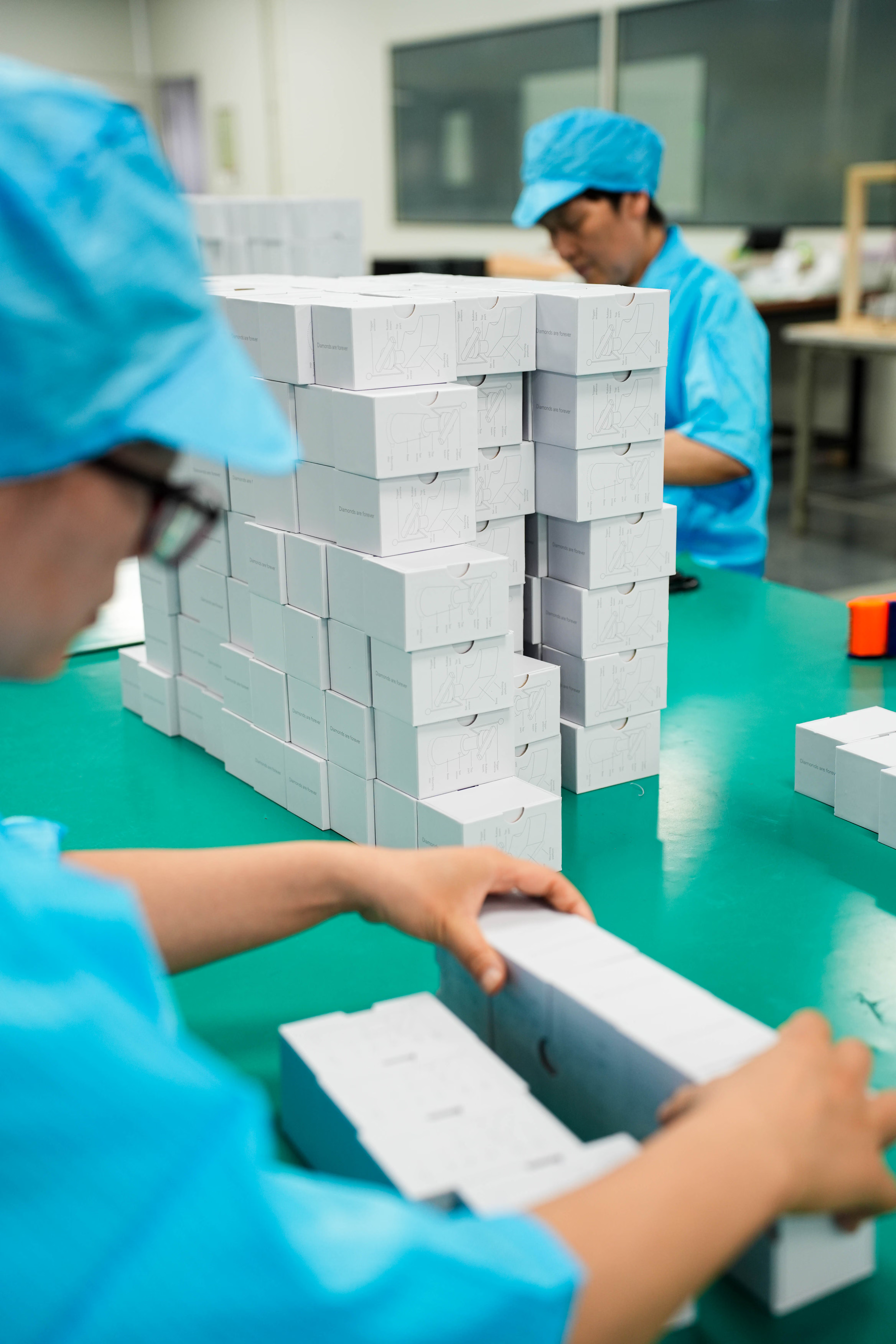
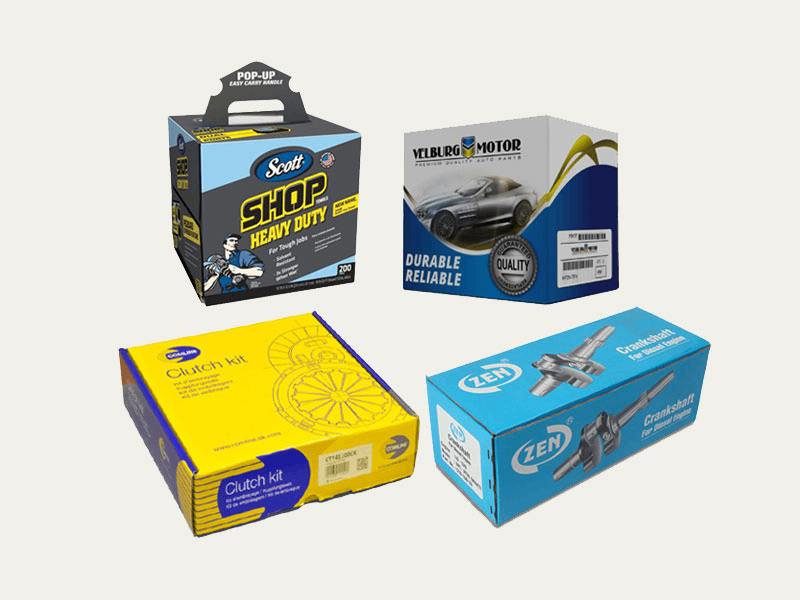
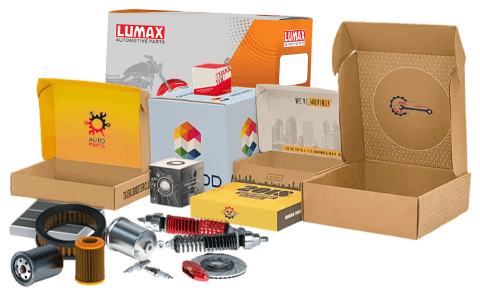
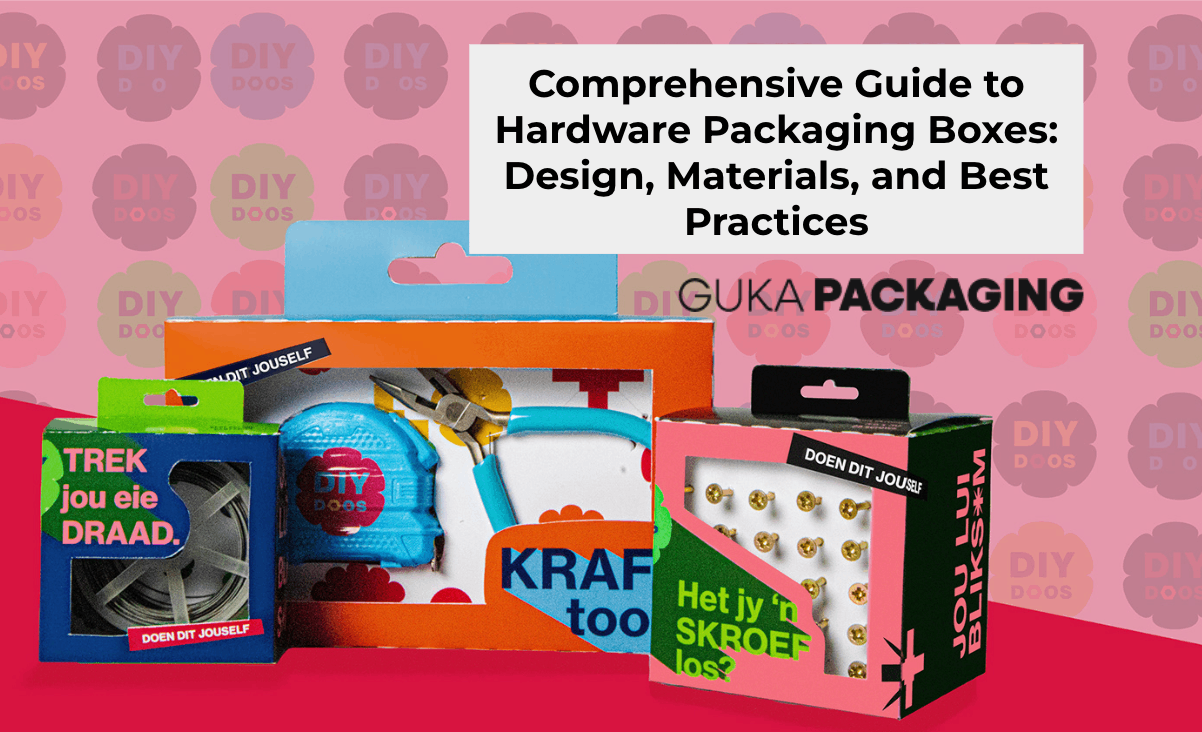
- Rigid boxes & folding cartons — excellent for lightweight aftermarket parts, branded retail presentation, and inner organization. Ideal for accessories, small electronics and parts kits. GUKA can produce premium rigid boxes and folding cartons that combine protection with branded unboxing value.
- Wooden crates / pallets — for extreme weight and offshore shipments; ensure ISPM-15 compliance for export.
- Molded pulp or foam inserts — for precision placement and cushioning; molded pulp is a greener alternative for many parts.
- VCI bags/paper/liners — for corrosion protection in metal parts
Testing & Validation — don’t skip this
Before full production, prototype and subject packaging to transport simulation (drop, vibration, compression), environmental exposure (humidity, salt fog for coastal routes), and ESD testing where relevant. Third-party lab reports and carrier acceptance letters reduce claims and shipment delays. Many manufacturers (including partners we work with) offer pre-production testing and certifications; if you ship lithium batteries or hazardous materials, UN testing records are mandatory.
Cost Trade-Offs and Total Landed Cost Thinking
A low unit cost box that causes higher damage rates or increases freight due to poor cube efficiency is false economy. Use total landed cost models to compare durable returnables, protective inserts, custom corrugated designs and the warranty/returns costs avoided by improved packaging. Consider also labor time for packing/unpacking: complex multi-material packs cost more on the line. Optimizing for pack speed and ergonomics reduces hidden labor costs.
Practical Recipes — Sample Packaging Solutions (realistic starting points)
Below are concise starting recipes; always validate against your part and supply route.
- Small electronic module (sensitive): Anti-static bag + conductive corrugated outer + foam cradle; ESD label; moisture absorber if stored long term.
- Infotainment / dashboard cluster: Custom die-cut foam insert + double-wall corrugated outer box + anti-scuff film.
- Brake rotor / hub assembly (metallic): VCI paper wrap + corrugated tray + pallet with top cap and straps.
- Windshield: Bubble/foam inner pads + timber A-frame crate or double-wall corrugated L-frame + strapping + weather wrap.
- Battery module (uninstalled): Compliant UN packaging system or tested reusable container, non-conductive dividers, SOC controls per carrier rules — always consult the latest UN/IATA/DOT guides.
Design Tips to Improve Line-Side Usability and Reduce Returns
- Use clear inner labeling and pick/kit pockets so line operators can remove parts without re-packing.
- Design split lids or flip openings to speed unpacking while preserving protection.
- Use color coding or QR labels linking to instructions/installation videos to reduce installation errors.
- Minimize secondary materials and simplify packing steps to save labor time.
How GUKA Packaging Helps
GUKA Packaging works with brands and OEM supply chains in the U.S., Europe and Australia to design and manufacture custom rigid boxes, folding cartons and engineered corrugated solutions. Our process includes product profiling, CAD layout, prototyping, and optional third-party testing. We provide solutions from single-run premium retail boxes to heavy-duty corrugated crates and returnable systems — plus certificates for responsible sourcing (FSC/SFI) when required.
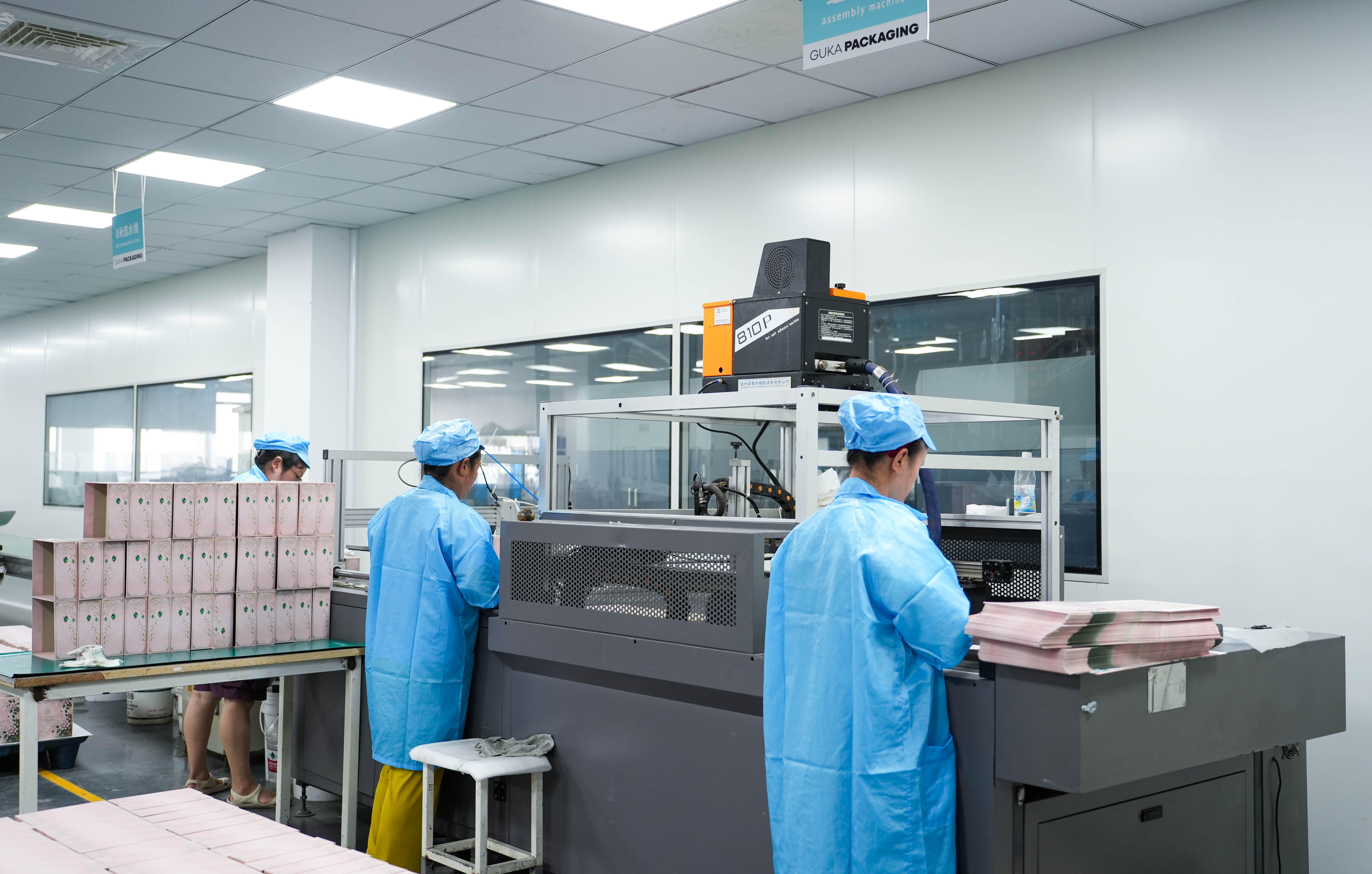
Why trust GUKA? Our team combines packaging engineers with supply-chain experience in global export markets. We deliver documented test results, regulatory packaging guidance for hazardous goods (including guidance around battery shipments), and scalable manufacturing — from small MOQ branded retail cartons to bulk corrugated packaging for distribution.
Frequently asked questions to Auto Pairs Boxes
Q: When should I choose returnable packaging?
A: When you have frequent, repeat routes with reliable reverse logistics and predictable part flow. Run a lifecycle cost model to compare higher capital vs per-shipment expendable costs.
Q: How do I protect electronics from ESD in a corrugated box?
A: Use conductive corrugated (or conductive liners) + anti-static bags + grounded packing stations. For sensitive items, consider conductive outer boxes that create a Faraday equivalent.
Q: Do VCI products harm paint or plastics?
A: Properly specified VCI papers and films are formulated for metal protection and will not typically harm painted surfaces when used per supplier guidelines; still separate metals from acidic materials and test with your parts.
Q: What’s the most common mistake OEMs make?
A: Focusing only on unit box price and ignoring damage rates, cube inefficiencies and packing labor — which lead to higher total costs.
Ready to lower damage rates, improve packing efficiency and ship with confidence? Contact GUKA Packaging for a free packaging audit and sample prototyping.
Recommended for you
.avif)
.avif)


.avif)
.avif)

.avif)
.avif)

.avif)
.avif)
You Might Enjoy

Are we right for each other?
We work best with brands that treat packaging as part of the product, not as the last thing on the list. To save us both time, here is who we work with best.
We're probably not the right fit if:
- Orders under $1,000.
- A few boxes, one time.
- Lowest quote wins.
- No conversation, just add-to-cart.
- Brand direction still up in the air. Our FAQ covers the basics first: process, scale, sampling, finishing, production. Worth reading before submitting anything.
We're a strong fit if:
- Projects starting around $1,000 and up.
- Sampling before production makes sense to you. It runs from $300, though complete artwork and locked specs can sometimes skip straight to the line.
- There's real budget behind the packaging, and an expectation that production standards get defined properly.
- What's needed is a manufacturing partner across structure, material, process and delivery. Not a print shop taking a file.
- The box has a job: retail shelf, gifting, unboxing. It has to carry the brand.
- Getting it right matters more than getting it cheapest.
Sound like your project? Let's talk
What happens after you submit
1. A specialist reviews your project, usually within 1 business day.
2. We follow up with questions, options, and indicative pricing.
3. Once the spec is confirmed, we move to sampling.