How to Protect Lid and Base Gift Boxes With Corrugated Packaging
Plan corrugated protection for custom lid and base boxes, with specifications for carton fit, box finish protection, shipping loads, and distribution packing.
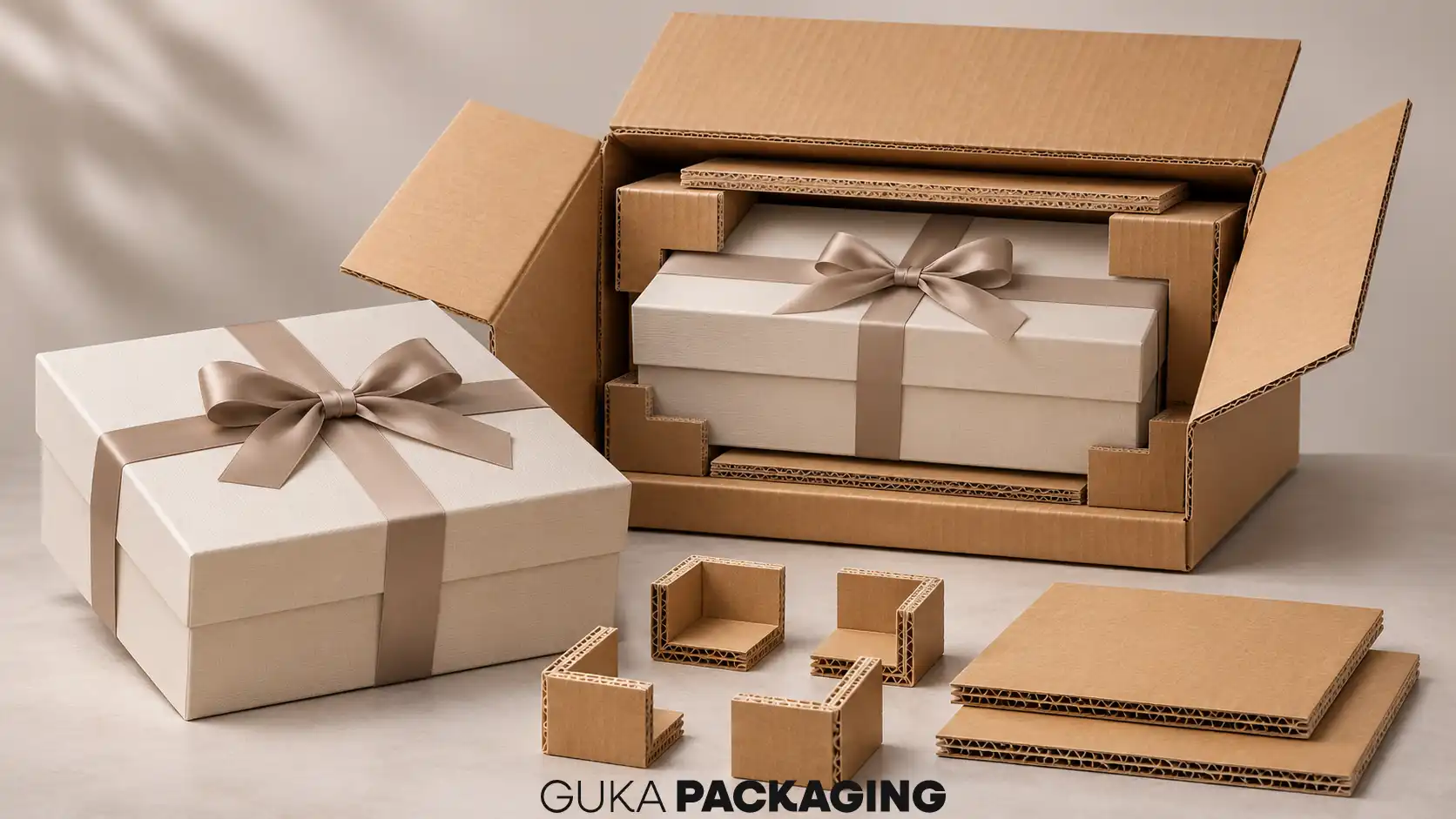
Table of content
A lid and base gift box needs to protect its contents while maintaining the appearance of the finished packaging. During transportation, the removable lid can shift, exposed corners can receive concentrated pressure, and decorative wrapping paper can rub against surrounding materials.
Corrugated protection addresses these risks through fitted supports, protective pads, retaining components, and outer shipping cartons. The right arrangement depends on the finished gift box dimensions, product weight, surface finish, and intended distribution method.
At GUKA Packaging, we manufacture custom rigid boxes and corrugated packaging for brands with specific structural and presentation requirements. We assess the protective construction around the completed package, including how the lid is secured, where corrugated components provide support, and how much space the shipping carton requires.
Key Takeaways
- Corrugated protection can be part of the box or a separate shipping system. The appropriate construction depends on the intended retail presentation and distribution method.
- Lid fit affects packaging performance. Cover depth, dimensional clearance, and retention components influence how securely the separate lid remains positioned.
- Corners and decorative surfaces need different protective arrangements. Corrugated supports should distribute contact forces without leaving marks on the finished box.
- Board strength depends on more than flute thickness. Corrugated grade, carton geometry, packed weight, and stacking conditions all influence performance.
- Physical testing should include the completed package. The approved sample should demonstrate suitable product protection, lid retention, exterior condition, and shipping performance.
Corrugated Lid and Base Boxes or Rigid Boxes With Outer Protection?
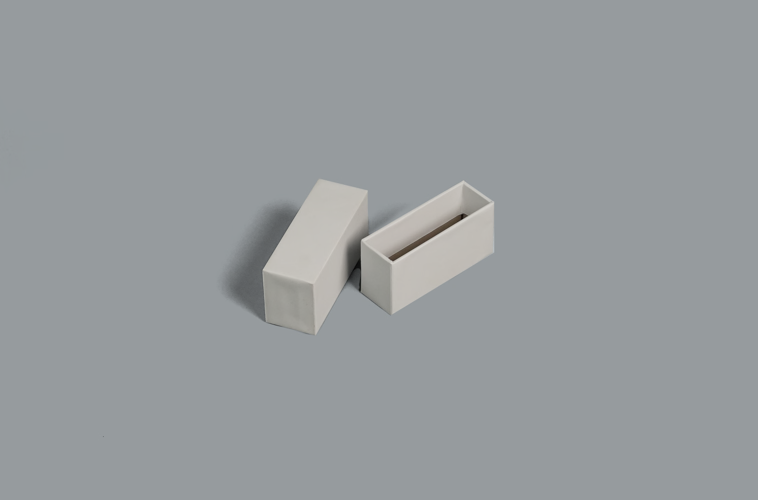
Custom lid and base boxes with corrugated protection can be manufactured in two main ways. One uses corrugated board to form the actual two-piece box. The other uses a rigid presentation box with additional corrugated components for storage, handling, and shipping.
The distinction affects the appearance, manufacturing cost, protective performance, and number of packaging components required.
Corrugated Two-Piece Boxes
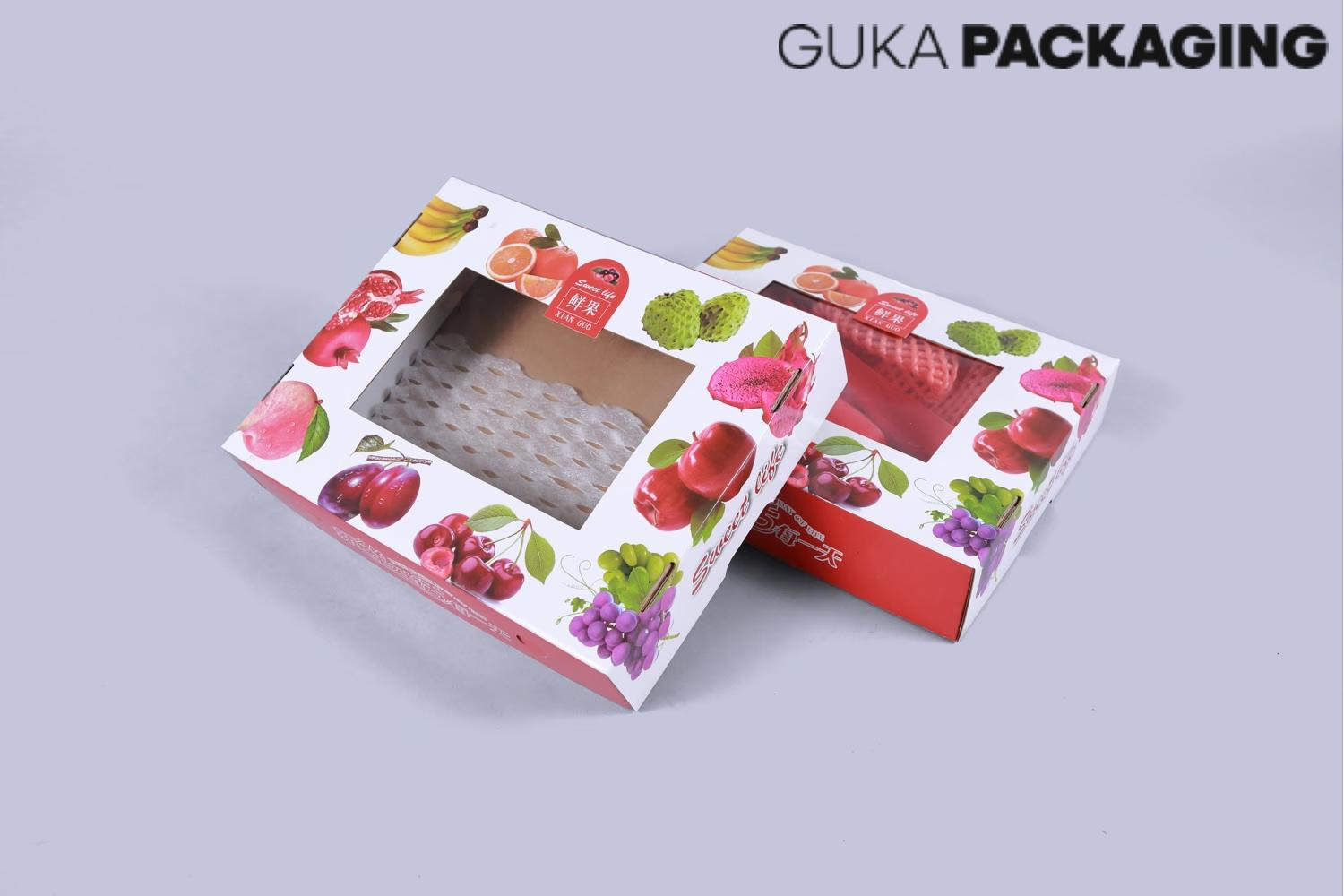
A corrugated lid and base box uses separate components manufactured from fluted paperboard. Its lid may cover part of the base or extend farther down the side walls in a telescoping construction. The FEFCO box style classification provides standardized designs for corrugated packaging, including telescopic box structures.
These designs can accommodate printing, internal partitions, and different board specifications. Fine-flute corrugated materials may be suitable when brands require a compact structure with a relatively smooth exterior for retail presentation.
The finished construction should be assessed against the packed weight and intended handling requirements. Board thickness, lid overlap, and the dimensions of each component influence the final fit.
Rigid Gift Boxes With Corrugated Protection
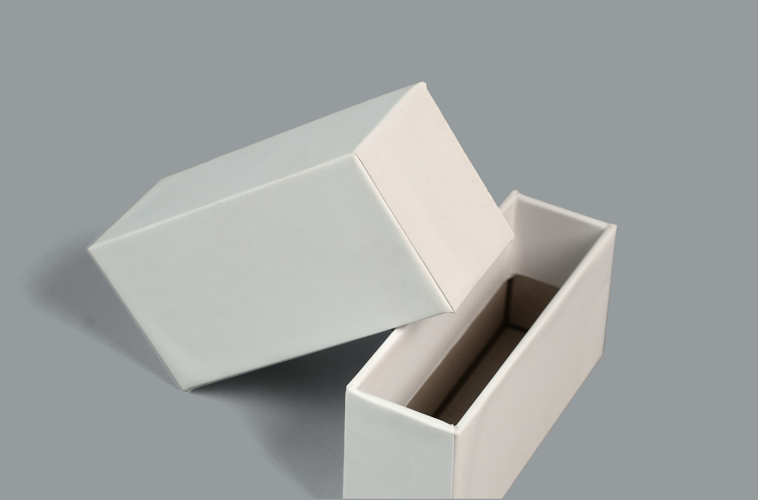
Rigid lid and base boxes use thick paperboard covered with printed or decorative wrapping material. This construction supports premium product presentation, particularly when the exterior includes textured papers, foil stamping, or other decorative details.
A corrugated shipping carton can protect the finished rigid box during transportation. Fitted corner supports, protective pads, or other components may be placed around the presentation box to restrict contact with the shipping-carton walls.
The protective design should account for the complete gift box, including its lid and exterior finish. The shipping carton must also accommodate any cushioning needed to protect the products inside.
Securing the Lid During Handling and Shipping
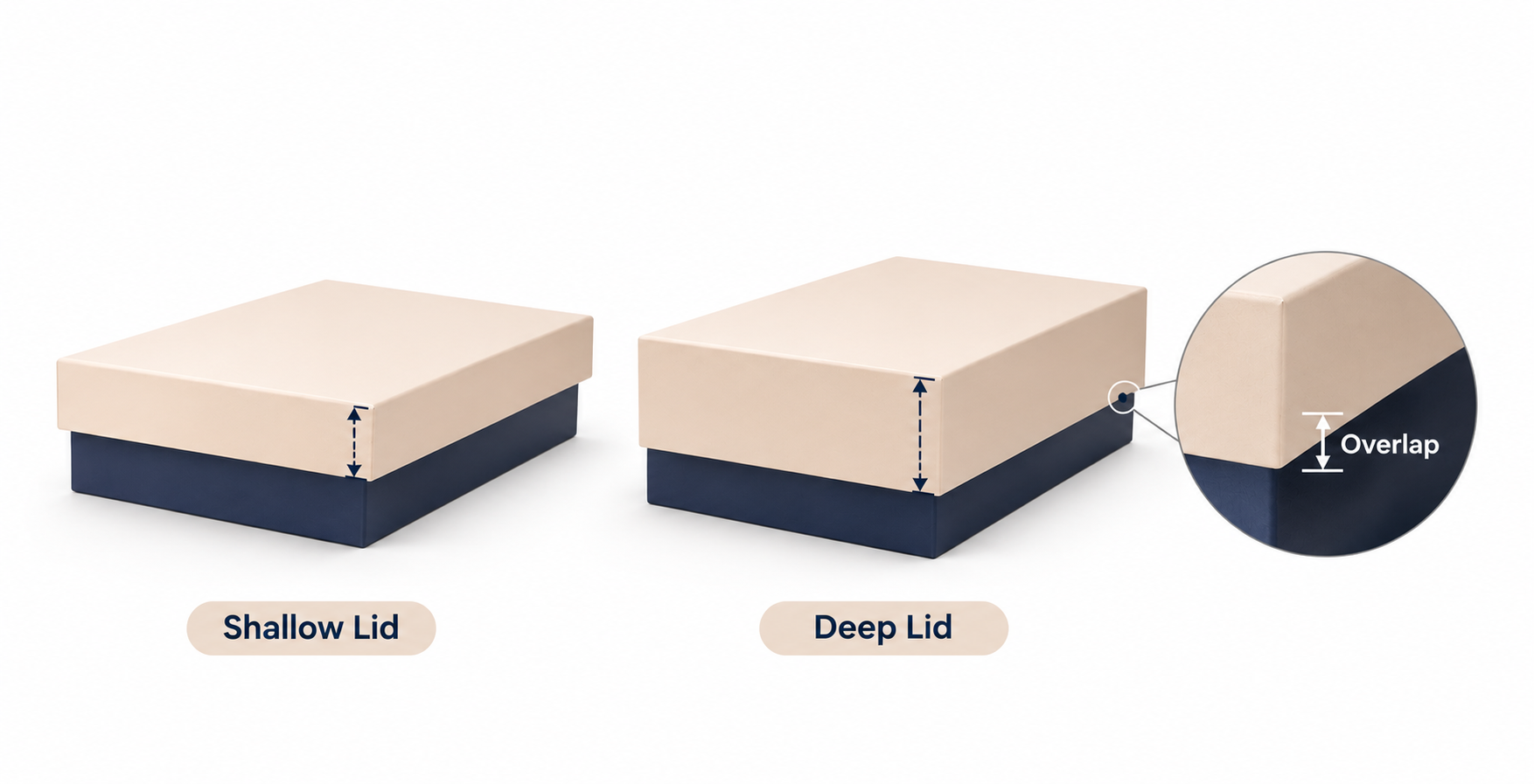
The removable lid is one of the defining features of a two-piece gift box. Its fit influences the opening experience and how the box behaves when lifted, tilted, or transported.
A lid that fits closely around the base may provide greater retention through friction. However, the amount of overlap and resistance needs to remain suitable for normal opening and closing.
Shallow Lids and Telescoping Covers
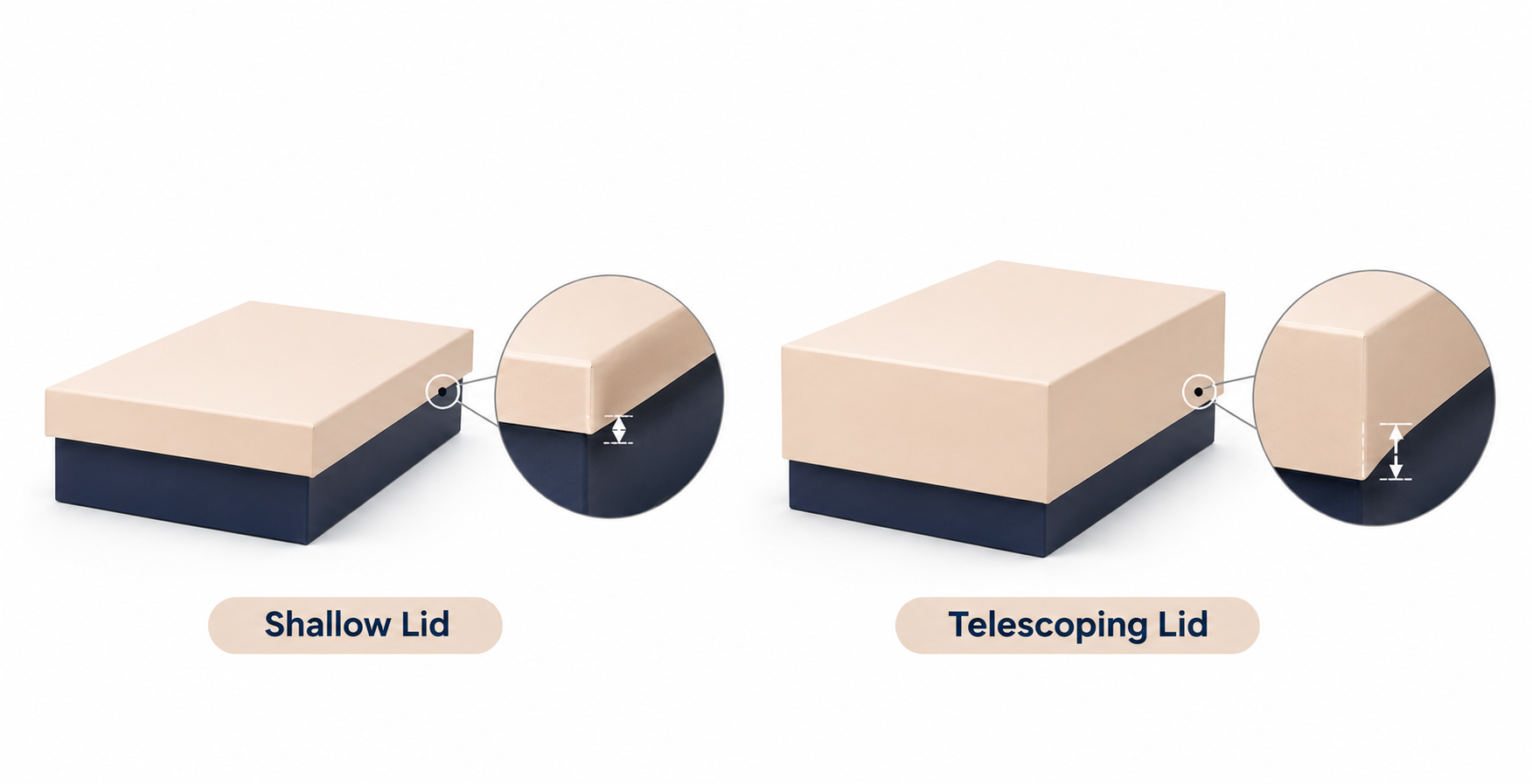
A shallow lid covers a relatively short portion of the base walls, making the box easy to open and allowing more of the base to remain visible.
A deeper telescoping lid provides greater overlap between the components. Its performance depends on dimensional clearance, board stiffness, and the contact characteristics of the materials.
We assess lid depth and fit using the intended construction materials. Wrapping paper, adhesive layers, board thickness, and manufacturing tolerances can influence the completed box dimensions.
Excessive friction may cause visible wear during opening, while insufficient retention can allow the lid to shift. The approved sample should provide an appropriate balance for the intended application.
Retaining Bands and Protective Sleeves
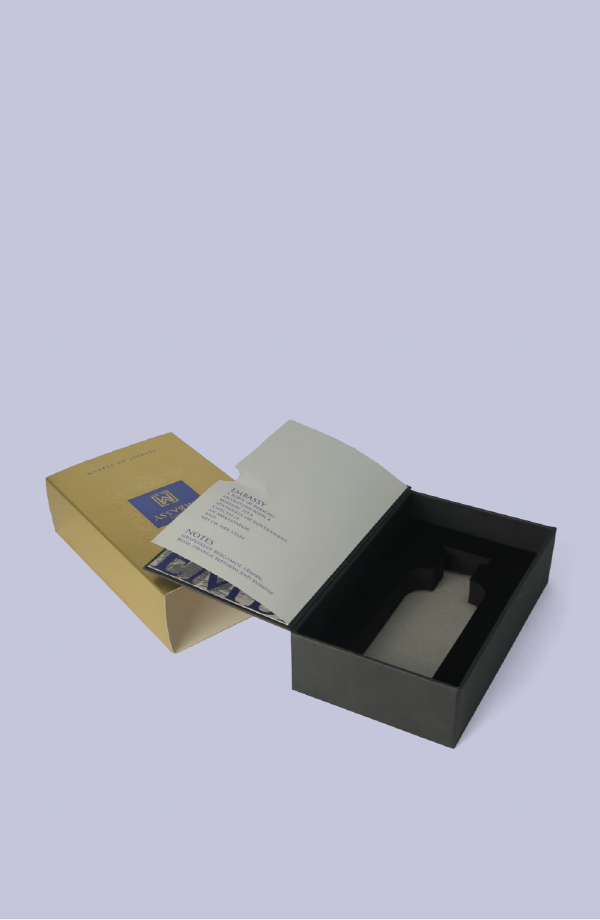
Some gift boxes benefit from an additional retaining component during distribution. Paperboard bands, protective sleeves, or fitted outer enclosures can help maintain the lid's position.
The securing method should be compatible with the exterior finish. Tight bands may leave marks on soft wrapping materials, while adhesive components can affect decorated surfaces if they contact the finished box directly.
A removable sleeve can offer a practical solution when brands want to retain the original opening experience after the shipping materials have been removed.
We recommend assessing the closed box and its retaining components together. The final arrangement should remain stable during the handling conditions expected for the order.
Protecting Corners, Edges, and Decorative Surfaces
The exterior of a gift box forms part of the product presentation. Corner dents, pressure marks, and scuffed wrapping paper can reduce its perceived quality even when the contents arrive intact.
Corrugated supports can help separate the finished box from surrounding packaging components and distribute contact forces through suitable areas of the structure.
The protective arrangement should reflect the shape and finish of the actual box.
Corner Blocks and Edge Supports
Corners and edges can receive concentrated pressure when a gift box shifts inside its shipping carton or comes into contact with another rigid surface.
Custom corrugated corner blocks can create separation around these areas. Folded edge supports may also provide a wider contact surface when the packaging requires support along selected edges.
Their dimensions and placement should be developed around the finished presentation box. A support with a narrow contact area may leave a pressure mark on the wrapping paper, particularly when the exterior has a soft or textured finish.
We assess the contact points before confirming the protective layout. The objective is to distribute handling forces through areas that can support them without deforming the presentation box.
Corrugated Pads and Protective Sleeves
Corrugated pads can provide separation beneath, above, or alongside a rigid gift box. They may be useful for protecting broad surfaces or filling selected spaces within a shipping carton.
Protective sleeves can cover exterior panels and help reduce direct contact with surrounding materials. Their fit needs to accommodate the finished box dimensions without creating excessive pressure around the corners or lid.
Surface compatibility is especially important for boxes with metallic decoration, laminated finishes, or textured wrapping papers. We recommend inspecting the exterior after packing and handling trials to identify visible rubbing or compression marks.
The most suitable solution may combine several components. The quantity and arrangement should be based on the actual protection required, with attention to material use and packing efficiency.
Keeping the Gift Box Stable Inside the Shipping Carton
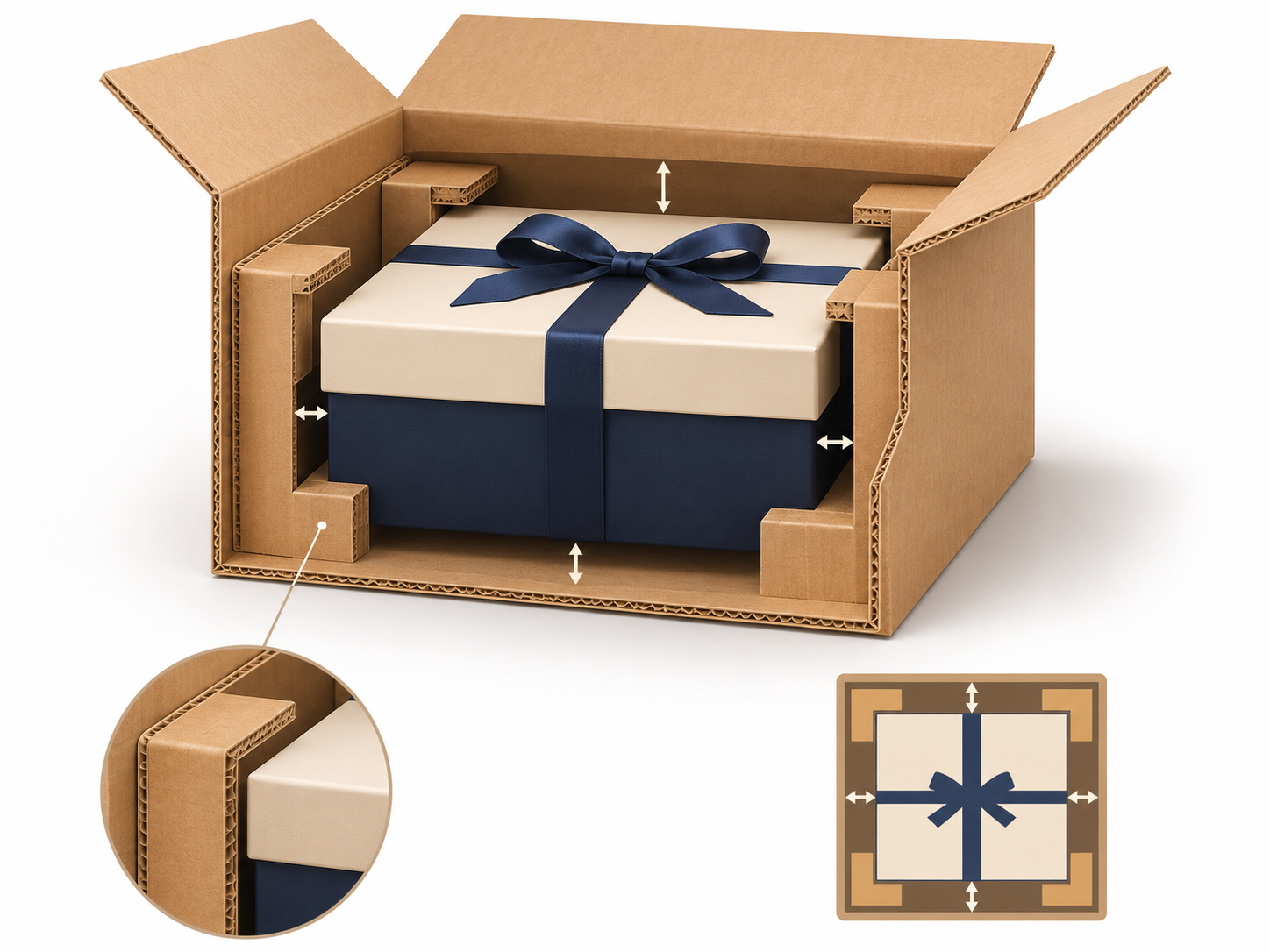
The completed presentation box should remain in its intended position during transportation. Uncontrolled shifting can cause repeated contact with the outer carton, while concentrated pressure from tightly fitted supports can deform decorative surfaces.
Custom packaging inserts and other corrugated components help establish a defined position for the gift box. The arrangement should provide suitable restraint while distributing external forces through the protective structure.
Carton Fit and Protective Clearance
The gap between the presentation box and the shipping-carton walls determines how much space is available for cushioning and fitted supports.
The correct clearance depends on the protective material and its expected performance. Corrugated pads, folded supports, and cushioning materials have different thickness and compression characteristics.
We recommend establishing the protective construction before finalizing the outer carton dimensions. This allows the internal arrangement and shipping-carton size to be developed as one specification.
Supporting the Box Without Compressing the Lid
A protective component placed directly over an unsupported lid panel can create localized pressure. This may be particularly noticeable on larger boxes with broad decorative surfaces.
The support arrangement should account for the strength of the lid and the position of the base walls. Where appropriate, loads can be directed through stronger structural areas of the packaging.
We assess the finished configuration under the expected orientation and handling conditions. The protective components should remain positioned without transferring excessive pressure to vulnerable sections of the presentation box.
Corrugated Board Selection for Retail and Shipping
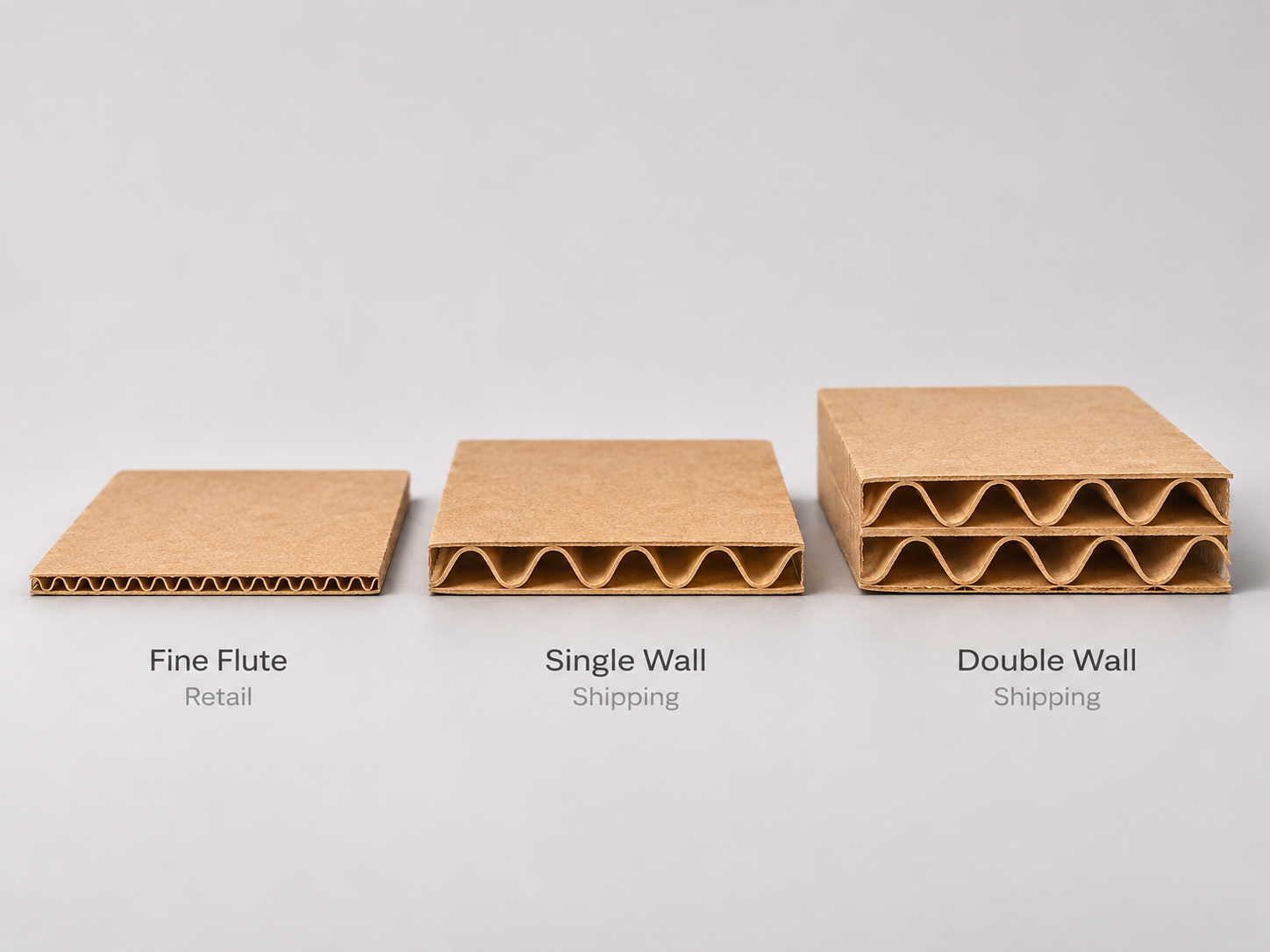
Corrugated board specifications influence the strength, thickness, printing surface, and structural performance of a package.
The appropriate board depends on how the construction will be used. A printed corrugated lid and base box may prioritize surface appearance and precise folding, while a shipping carton may need greater resistance to compression and stacking loads.
Fine-Flute Board for Presentation Boxes
E-flute and F-flute are commonly considered for compact retail packaging where a relatively thin corrugated structure is preferred.
Their smaller flute profiles can support detailed box construction and comparatively smooth printed surfaces. The finished performance still depends on the paper grades, flute formation, and overall board construction.
We assess the complete box structure when specifying the material. The same flute profile can be manufactured using different paper combinations, resulting in different strength and handling characteristics.
Corrugated Grades for Outer Shipping Cartons
Outer cartons may use single-wall or double-wall corrugated board depending on their dimensions, packed weight, and distribution requirements.
The edge crush test, or ECT, measures a board's resistance to edgewise compression. TAPPI/ANSI T 811 describes a standardized test method for measuring this property in corrugated fiberboard. Buyers can use the specified test method when comparing board grades intended for shipping cartons.
The finished box's compression resistance also depends on its geometry, manufacturing quality, environmental conditions, and load arrangement. ASTM D642 provides a test method for evaluating the compressive resistance of shipping containers and their components. This allows manufacturers to assess the completed carton construction alongside the corrugated board specification.
We recommend specifying the required packaging performance alongside the board material. This allows the construction to be evaluated against the actual distribution requirements.
Protective Clearance and Shipping Volume
Corrugated protection occupies space around the presentation box. Increasing that space may accommodate additional cushioning, but it also increases the dimensions of the completed package.
The objective is to develop a protective arrangement that uses the available space effectively while providing suitable support.
How Carton Dimensions Affect Packed Volume
Consider a rigid gift box with external dimensions of 300 × 220 × 80 mm.
An illustrative protective allowance of 20 mm on every side would increase the required internal space to 340 × 260 × 120 mm.
The required rectangular volume approximately doubles in this example. The finished shipping-carton dimensions would be larger once its corrugated walls are included.
The 20 mm allowance is used only to demonstrate the dimensional effect. Actual protective clearance should be specified according to the product's weight, fragility, protective components, and shipping conditions.
Brands ordering larger quantities should consider how these dimensions affect units per master carton, storage space, and transportation volume. DHL eCommerce's chargeable-weight rules demonstrate how parcel shipping costs can depend on dimensional weight as well as actual weight. Excessive protective clearance may therefore increase shipping charges even when the products themselves remain unchanged.
Protective Components and Packing Efficiency
Two protective designs can provide different manufacturing and packing requirements even when they are developed for the same gift box.
A folded corrugated support may require relatively little assembly, while a multi-component cushioning arrangement can involve several separate packing operations. The protective performance and component stability should be assessed before comparing the alternatives.
We recommend evaluating the complete packing process during sampling. A practical design should allow staff to position the gift box and protective materials consistently without excessive handling.
Individual Parcel Delivery and Wholesale Distribution
Distribution requirements influence the protective construction of a gift box. Individual parcels can experience repeated sorting and handling, while wholesale shipments may involve stacked master cartons and longer storage periods.
The packing arrangement should reflect the intended route and the condition in which the finished presentation box needs to arrive.
Individual Gift Boxes Sent to Customers
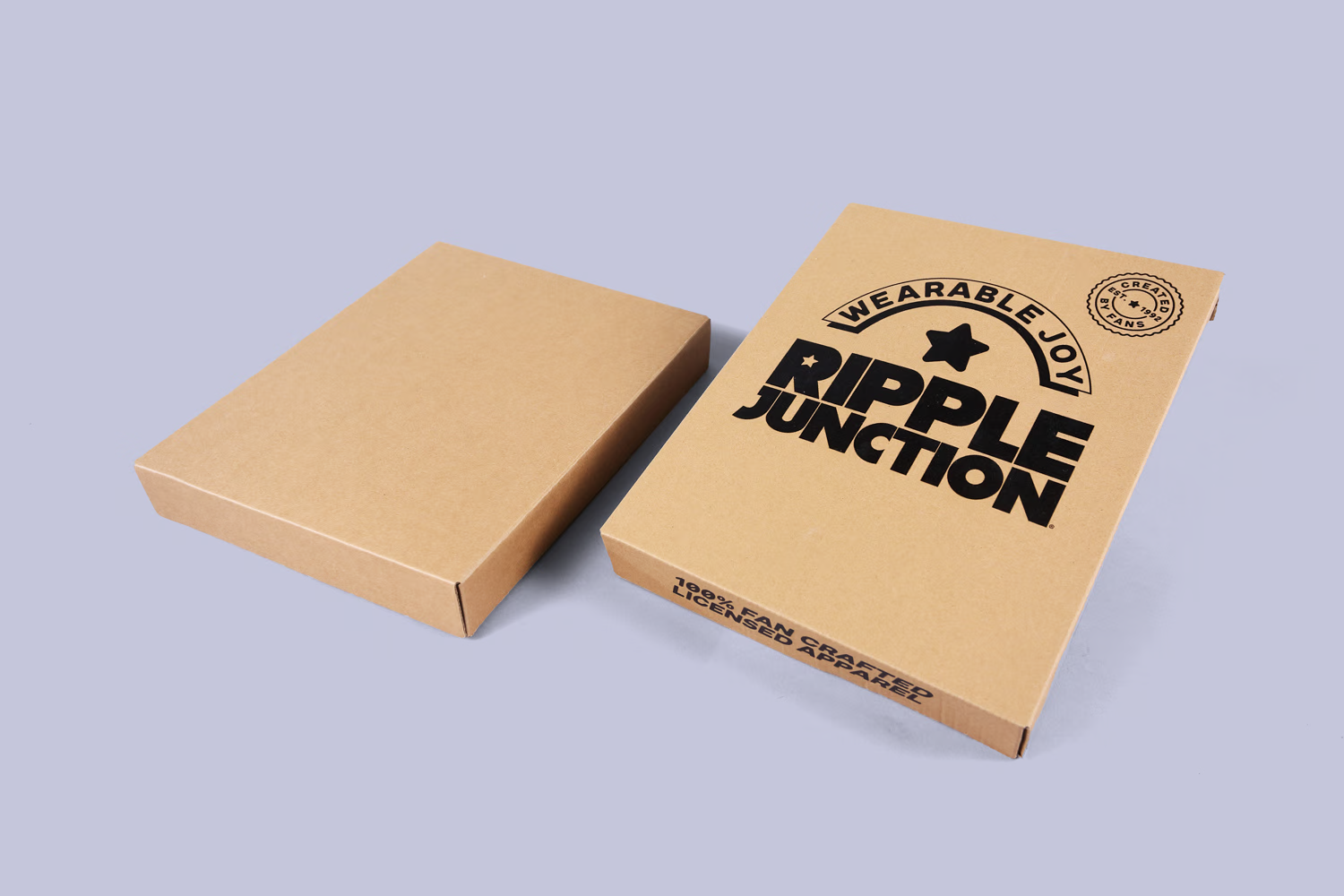
Direct-to-consumer orders may require an external corrugated carton with fitted supports or cushioning around the presentation box.
The complete package should protect the product and preserve the appearance of the gift box. A structurally intact product may still require replacement if its presentation packaging arrives with visible damage.
We recommend evaluating both outcomes when approving the shipping specification. The packaging should be assessed for product damage, lid displacement, exterior scuffing, and deformation after relevant handling tests.
Multiple Gift Boxes in One Master Carton
Wholesale distribution may involve several completed gift boxes packed inside a larger corrugated carton. Storage conditions also influence the strength of these cartons. Clemson University research involving 3,000 corrugated boxes found that compression strength decreased as relative humidity increased, highlighting the importance of accounting for warehouse conditions when specifying packaging for stacked shipments.
The combined weight affects the outer carton specification, while the arrangement of the individual boxes influences contact pressure and stacking behavior.
Corrugated dividers, layer pads, or fitted supports may be used to maintain separation and distribute loads. The final arrangement should be assessed against the master-carton dimensions and expected handling conditions.
For repeated orders, a documented packing configuration can help maintain consistency between shipments. This should identify the number of units per carton, their orientation, and the protective components required.
Common Packaging Problems and Their Causes
A damaged gift box can provide useful information about the performance of its protective packaging. The location and appearance of the damage can indicate which part of the structure requires further assessment.
We recommend examining the complete packaging assembly before changing materials or increasing cushioning.
These observations can guide revisions to the structural design. The appropriate adjustment depends on the actual products, materials, and distribution conditions.
Approving the Complete Packaging Sample
Physical sampling allows the presentation box and its protective components to be evaluated together. The finished package should be reviewed using the intended products, approved materials, and proposed shipping configuration.
We recommend assessing the following requirements before confirming mass production.
Testing the Finished Shipping Package
Parcel distribution can expose packaging to drops, vibration, compression, and changes in orientation.
ISTA 3A is one recognized test procedure for eligible individual packaged products distributed through parcel delivery systems. The applicable procedure should be selected according to the complete package, carrier requirements, and intended distribution route.
Testing needs to include the actual packed configuration. ISTA's recommendations on packaging retesting identify changes to product dimensions, packaging materials, closures, and distribution methods as reasons to reassess performance. A revised protective insert or shipping carton may therefore require additional testing before the updated construction is approved.
The accepted sample should establish the agreed structural and material specifications for production. Any subsequent changes affecting the packaging fit or protective construction should be reviewed before manufacturing continues.
Preparing a Manufacturing Brief for Corrugated Protection
A packaging manufacturer needs the dimensions and requirements of the completed gift box before developing protective components.
Providing accurate information helps establish the appropriate construction, identify sampling requirements, and prepare a quotation based on a defined specification.
Information to Provide
Physical samples of the finished gift box are especially useful when the design includes unusual dimensions, sensitive wrapping materials, or decorative features.
We can review the supplied specifications to assess suitable corrugated structures and identify the components that require further sampling.
How Protective Construction Affects Manufacturing Cost
The cost of corrugated protection depends on the board specification, component dimensions, tooling, structural complexity, and production quantity.
Simple pads or folded supports may have different manufacturing requirements from precisely fitted die-cut structures. Additional components can also increase assembly work and the space required during transportation.
A quotation should reflect the complete approved construction, including any retaining sleeves, outer cartons, and protective inserts.
We recommend comparing manufacturing proposals using equivalent specifications. This helps brand buyers assess the cost and practical value of each design without confusing differences in material quality, protective performance, or packing requirements.
Conclusion
Corrugated protection can help maintain the structural condition and exterior appearance of custom lid and base gift boxes during handling and distribution.
The suitable design depends on the relationship between the lid, base, protective components, and shipping carton. Lid retention, contact pressure, board strength, and packed dimensions should be assessed together using the intended products and manufacturing materials.
At GUKA Packaging, we manufacture custom rigid boxes and corrugated packaging for brands developing retail presentation and protective shipping solutions. Planning a production order for lid and base gift boxes? Request a custom packaging quote from GUKA Packaging. Share your box dimensions, packed weight, estimated quantity, and delivery requirements so we can recommend suitable corrugated protection for your project.
Frequently Asked Questions
Can corrugated board be used to manufacture lid and base gift boxes?
Yes. Corrugated board can be used to manufacture two-piece boxes with separate lids and bases. The structure, flute profile, board grade, and printed finish should be specified according to the product weight, presentation requirements, and intended distribution method.
How can a lid and base gift box be secured during shipping?
Lid retention can be improved through suitable cover depth, dimensional fit, retaining bands, protective sleeves, or a fitted shipping enclosure. The preferred arrangement depends on the box structure and exterior finish. Physical sampling helps confirm that the lid remains positioned during the expected handling conditions.
What type of corrugated protection is suitable for rigid gift boxes?
Corrugated corner blocks, edge supports, pads, sleeves, and fitted shipping cartons can provide different forms of protection. Their suitability depends on the gift box dimensions, packed weight, exterior materials, and areas requiring additional support.
Is E-flute strong enough for a lid and base gift box?
E-flute can be suitable for certain corrugated presentation boxes, depending on the board grade, product weight, and structural design. Its flute profile alone does not establish the finished box's protective performance. Heavier products or demanding shipping conditions may require a different board specification.
Do rigid gift boxes need a corrugated shipping carton?
Rigid presentation boxes may require additional corrugated protection when shipped through parcel or wholesale distribution networks. The final arrangement depends on the product, decorative finishes, and expected handling conditions. The completed package should be assessed before the shipping specification is approved.
How much clearance should be left around a gift box inside its shipping carton?
The required clearance depends on the protective components, cushioning performance, box dimensions, and packed weight. A fixed allowance is unsuitable for every application. The protective arrangement should be developed and evaluated using the actual finished gift box.
Can the same corrugated protection be used for different gift box sizes?
Some protective components may be standardized when the gift boxes have compatible dimensions and support requirements. Different sizes can require revised supports or shipping-carton dimensions. We recommend assessing each variation against the intended packing configuration.
What information is required for a custom corrugated packaging quotation?
Brands should provide the finished gift box dimensions, packed weight, intended distribution method, order quantity, exterior finish requirements, and preferred protective arrangement. Physical samples or photographs of existing packaging can also help identify suitable structures and areas requiring additional support.
Recommended for you


You Might Enjoy


Are we right for each other?
We work best with brands that treat packaging as part of the product, not as the last thing on the list. To save us both time, here is who we work with best.
We're probably not the right fit if:
- Orders under $2,000.
- A few boxes, one time.
- Lowest quote wins.
- No conversation, just add-to-cart.
- Brand direction still up in the air. Our FAQ covers the basics first: process, scale, sampling, finishing, production. Worth reading before submitting anything.
We're a strong fit if:
- Projects starting around $2,000 and up.
- Sampling before production makes sense to you. It runs from $300, though complete artwork and locked specs can sometimes skip straight to the line.
- There's real budget behind the packaging, and an expectation that production standards get defined properly.
- What's needed is a manufacturing partner across structure, material, process and delivery. Not a print shop taking a file.
- The box has a job: retail shelf, gifting, unboxing. It has to carry the brand.
- Getting it right matters more than getting it cheapest.
Sound like your project? Let's talk

What happens after you submit
1. A specialist reviews your project, usually within 1 business day.
2. We follow up with questions, options, and indicative pricing.
3. Once the spec is confirmed, we move to sampling.