How to Package Porcelain and Ceramic Tableware Gift Sets
Source custom tableware packaging for porcelain and ceramic gift sets. Compare rigid box layouts, fitted compartments, material options, and ordering details.
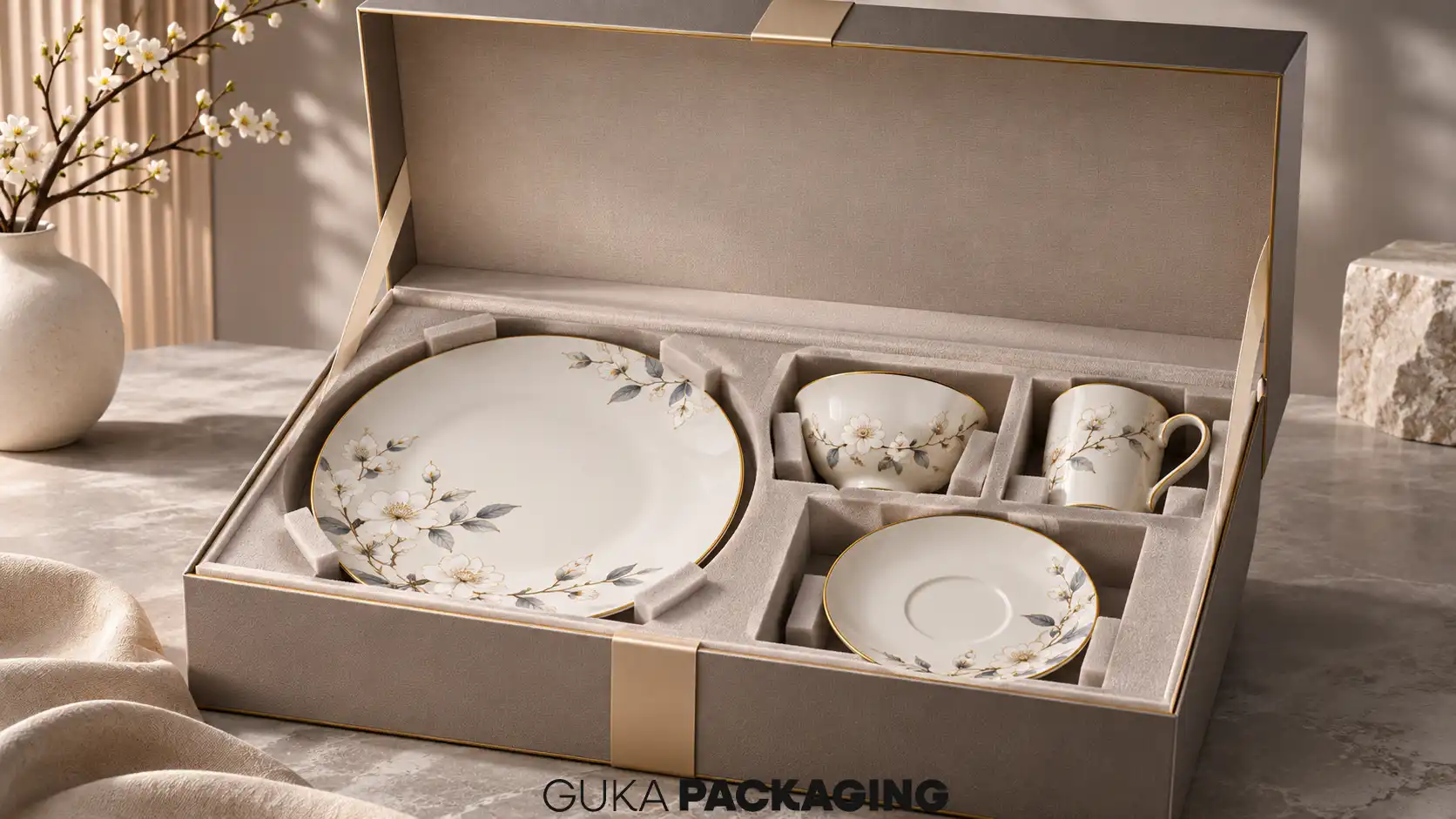
Table of content
Porcelain and ceramic tableware gift sets require packaging that accommodates several products with different dimensions, weights, and fragile features. A dinner plate needs support around its base and rim, while a ceramic mug requires additional clearance for its handle. Combining these pieces in one gift box introduces structural requirements that affect both product protection and presentation.
The internal layout also influences how customers experience the set. Products should remain organized when the box opens, with each piece accessible without disturbing the others. For brands preparing premium tableware gifts, the packaging must support the products throughout handling while presenting the complete assortment as one coordinated gift.
At GUKA Packaging, we manufacture custom rigid boxes and paper-based packaging with fitted interior components. We develop packaging specifications around the products being presented, taking into account their dimensions, weight, surface characteristics, and intended retail application.
Key Takeaways
- The complete gift assortment determines the box dimensions. Plates, bowls, cups, and saucers require different support arrangements.
- Plate rims and cup handles need appropriate clearance. The insert should support stable areas of the products while protecting vulnerable features.
- Single-layer and tiered layouts offer different presentation options. The final arrangement affects box size, product accessibility, and assembly requirements.
- Insert materials should suit the tableware's surface finish. Protective components need to accommodate glazed, decorated, and textured ceramic surfaces.
- Physical samples help confirm the finished construction. Brands should review the complete set inside the proposed packaging before approving production.
The Complete Gift Set Determines the Box Layout
Packaging dimensions should be established using every item included in the final gift set. The largest product often determines the minimum box footprint, while taller pieces and supporting materials influence the required depth.
A set containing four dinner plates may be arranged differently from one containing cups, saucers, and a teapot. The combined weight also affects the board construction and internal support, especially when several ceramic pieces are packed within a single box.
We recommend confirming the complete assortment before developing the structural sample. Even small product changes, such as replacing a shallow bowl with a deeper design, can affect the compartment dimensions and overall box height.
Handmade and artisan ceramics can vary slightly in their finished dimensions, which needs to be considered when developing fitted compartments. A porcelain dinnerware packaging project for Villeroy & Boch used a flexible recycled-cardboard insert to accommodate different plate and bowl sizes without separate molded tooling. We assess the acceptable dimensional range before finalizing the interior.
Protecting Plates, Cups, and Bowls Inside the Gift Box
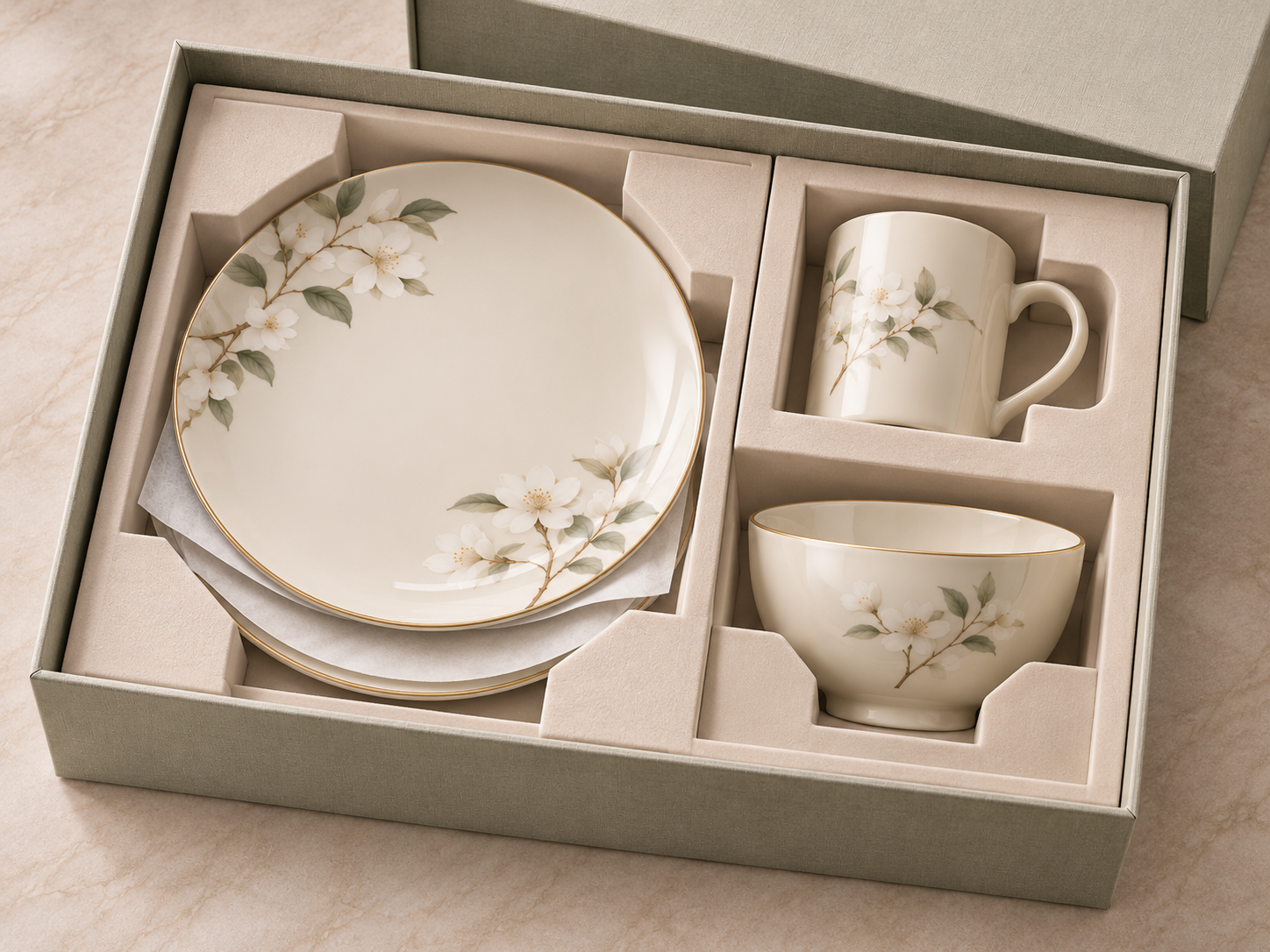
Each type of tableware has different contact points that influence the internal construction. Plate rims, cup handles, and raised bowl profiles require different support arrangements, particularly when the products share one presentation box.
We assess the product geometry and weight before determining where the insert should provide support. The objective is to maintain a stable arrangement while keeping delicate features clear of unnecessary pressure.
Plates and Saucers
The diameter, thickness, rim profile, and foot ring of a plate influence how it rests inside the packaging. A flat dinner plate may sit within a shallow fitted recess, while a plate with a raised decorative rim may require a different support arrangement.
Stacked plates place additional weight on the pieces beneath them, particularly around their contact points. Protective separators between stacked porcelain pieces help limit direct contact, while the fitted support needs to accommodate the combined weight without placing concentrated pressure on delicate rims.
Plate support should be assessed using the actual product profile. Depending on the design, support may be provided around suitable base areas, with additional separation between the rims and neighboring components.
Cups and Their Handles
A cup's overall width includes its handle, which can extend considerably beyond the main body. The cavity should accommodate this projection while supporting the cup at suitable areas of its base or body.
Handmade cups and mugs can have projecting handles that require additional space inside the insert. Extra cushioning around ceramic handles, spouts, and cup rims is a documented pottery packing practice, and we account for these vulnerable areas when developing the compartment dimensions and support points.
Product removal should also be assessed during sampling. The customer needs sufficient access to lift the cup without applying excessive force to the handle.
Bowls and Serving Pieces
Bowl packaging depends on the product's depth, base diameter, rim profile, and weight. Deep bowls can require taller compartments, while shallow serving pieces may fit within a lower-profile interior.
Nested bowls can reduce the space required inside the box when their shapes are compatible. The arrangement should be assessed for contact between glazed surfaces, with separators or other supports used where appropriate.
For larger serving bowls, the support structure may need to distribute weight across suitable areas of the base. The final arrangement should also allow the customer to remove the product comfortably.
Single-Layer and Tiered Tableware Gift Box Layouts
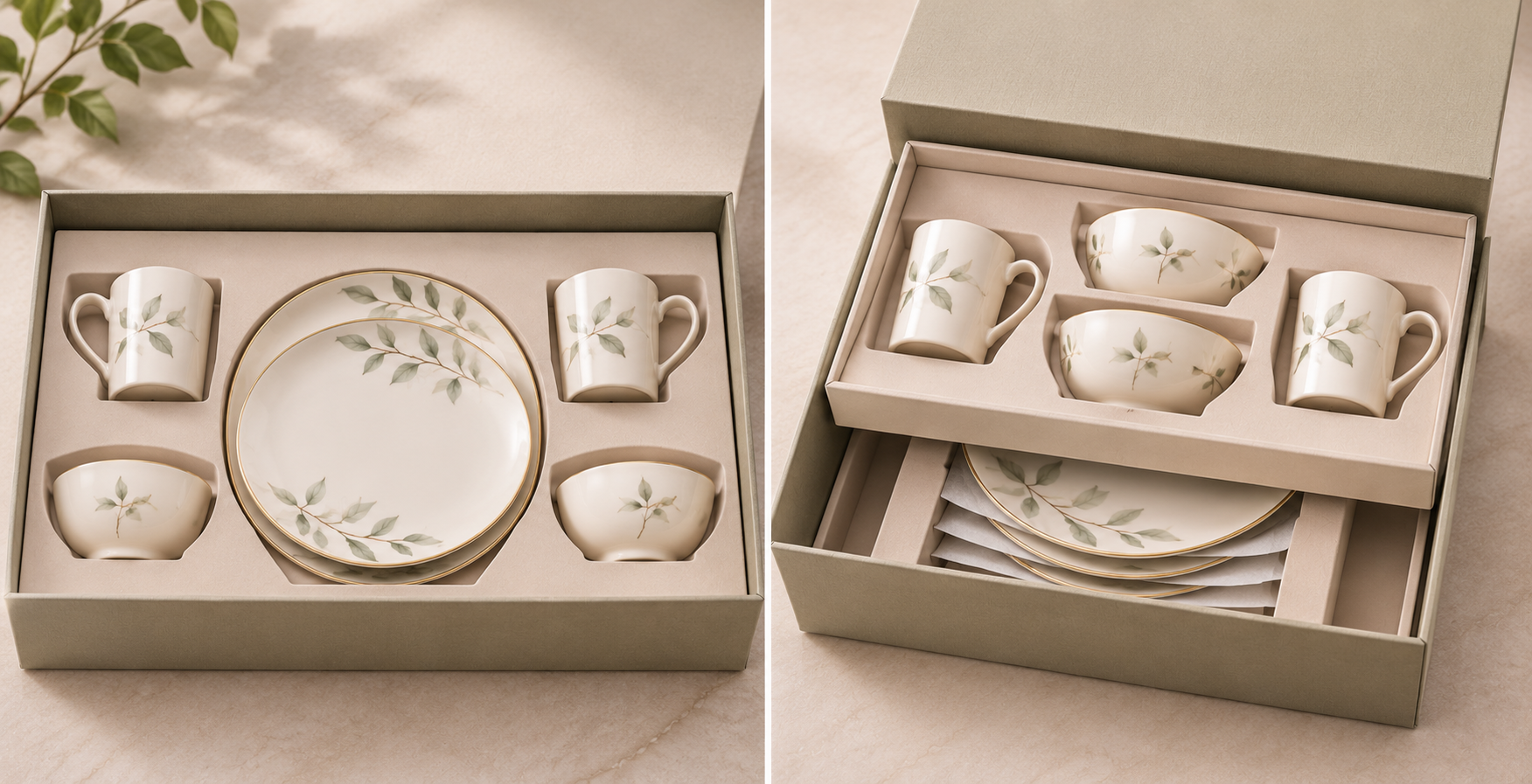
The position of each product affects the size of the box and how the complete set appears when opened.
A single-layer layout places the main products within one visible arrangement. Tiered packaging uses separate supporting levels, allowing products with different profiles to occupy a smaller footprint when their dimensions permit.
Single-Layer Presentation
Single-layer packaging gives customers an immediate view of the gift assortment. Each item occupies a defined position within the box, making the arrangement suitable for coordinated cup sets or tableware with decorative surfaces intended to be displayed together.
The required footprint depends on the distance between products and the size of their compartments. Wider layouts can increase the amount of board and wrapping material required, particularly when the set contains several large pieces.
We would evaluate the arrangement using the actual product dimensions before confirming the external box size. A visually balanced layout also needs adequate space for the protective components surrounding each item.
Tiered Interiors
Tiered packaging uses a supporting tray or internal platform to separate products into different levels. This approach can accommodate a mixed assortment when the dimensions make a single-layer arrangement impractical.
The lower level must support the items positioned above it, while the upper tray should remain stable when the box is lifted. Any removable components should also be accessible without placing pressure on the products beneath them.
Additional layers introduce extra materials and assembly work. We would compare the construction requirements against the potential reduction in box footprint before recommending a tiered layout.
Rigid Box Structures for Tableware Gift Presentation
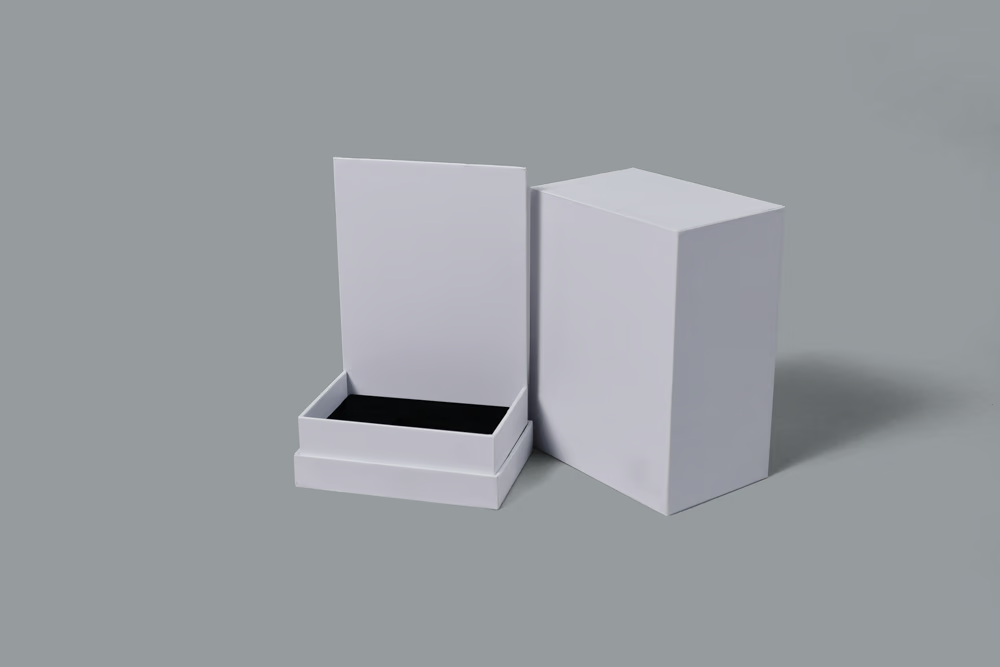
Custom rigid boxes can accommodate fitted compartments and decorative finishes within a substantial paperboard structure. Two-piece and magnetic closure designs are particularly relevant to premium tableware gift sets, although their suitability depends on the packed assortment.
The opening style should provide sufficient access to the products and accommodate the required internal supports.
Two-Piece Rigid Boxes
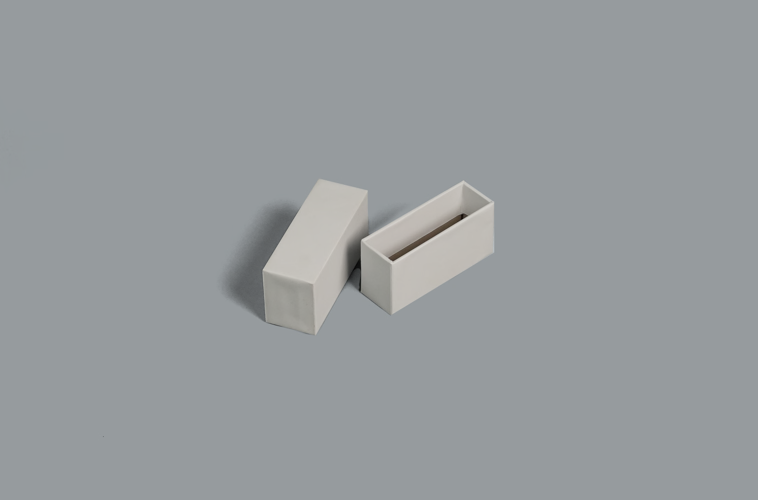
A two-piece rigid box has a separate lid and base, allowing the full interior to be exposed when the lid is removed. This can be useful for tableware sets arranged across a wide tray, particularly when several products need to be visible together.
The base depth should accommodate the tableware and fitted supports, while the lid should close without contacting protruding handles or raised ceramic surfaces.
For larger sets, we would assess the completed box's weight and handling requirements when developing the final construction.
Magnetic Closure Boxes
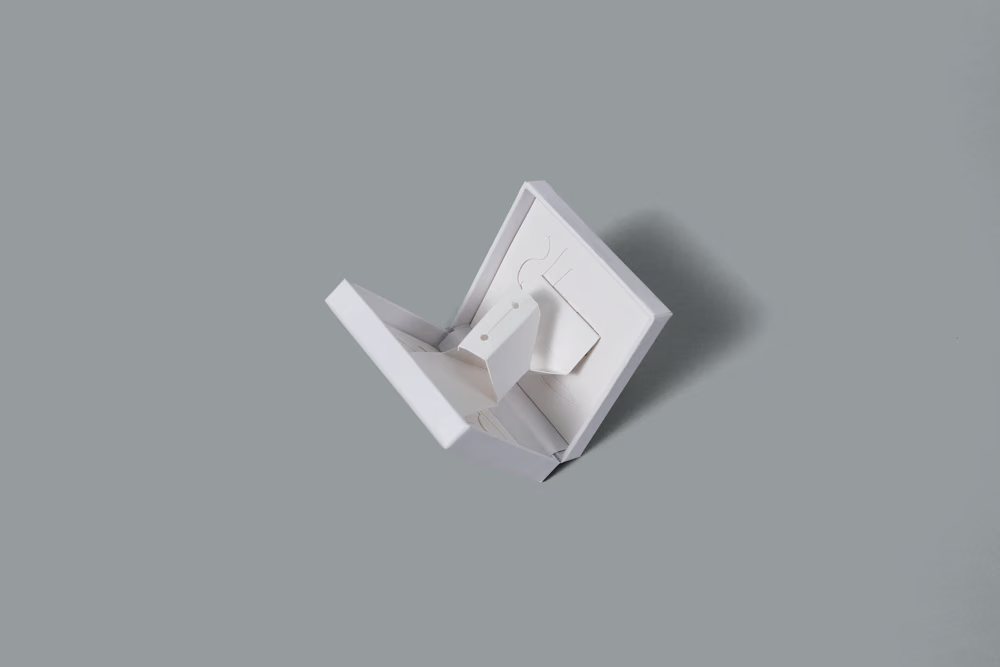
Magnetic closure rigid boxes use an attached lid, providing a different opening arrangement from a removable two-piece structure. They can accommodate fitted compartments and printed presentation materials when the dimensions and packed weight are suitable.
The attached lid may be useful for compact cup-and-saucer sets or premium ceramic gifts with a relatively simple internal layout.
We review the closure performance, hinge construction, and product clearance as part of the structural sample. The finished box should open consistently while allowing customers adequate access to the tableware.
Insert Materials and Surface Protection
The insert material influences how the tableware is supported and how its surfaces interact with the packaging. Die-cut paperboard, protective foam, and molded fiber can accommodate different product profiles, with the final specification depending on the weight and surface characteristics of the set.
A suitable material should provide support at the intended contact points while limiting friction against delicate finishes.
Paperboard, Foam, and Molded Supports
The material can be combined with protective separators where necessary. We would assess the complete interior construction using the finished products before approving the insert specification.
Glazed and Decorated Surfaces
Porcelain and ceramic tableware can feature glossy, matte, lustre, or metallic decorative finishes. Overglaze decoration such as gilding and enamels can be particularly vulnerable to abrasion, making surface compatibility an important consideration when specifying the materials that contact each piece.
Soft contact materials can help reduce visible rubbing, particularly where plates are stacked or products rest against fitted compartments. The material should be assessed against the actual finish, since the appearance and durability of decorative treatments vary.
We also recommend inspecting the tableware after packing and removal trials. Marks, transferred material, or visible surface changes can indicate that the contact arrangement requires adjustment.
Presenting the Tableware as a Complete Gift
The presentation should make the main products visible while keeping smaller components organized. A porcelain tea set may require separate positions for cups, saucers, and a teapot, while a dinnerware gift set may use a stacked arrangement with the largest plate forming the central presentation.
We recommend treating printed materials as part of the internal layout. Product information, care instructions, or a branded gift card can occupy a dedicated pocket or compartment without covering the tableware.
Exterior Materials and Decorative Finishes
Wrapping papers, printed colors, foil stamping, and embossing can be specified to complement the tableware's visual identity. A restrained exterior can suit minimalist stoneware, while a porcelain gift set with detailed decoration may benefit from more distinctive finishing.
The exterior materials should also suit the intended handling conditions. Textured and coated papers can differ in their resistance to scuffing, marking, and visible wear during packing and retail distribution.
We recommend reviewing physical material samples alongside the actual tableware before approving the final finish. This allows brands to assess the appearance of the completed gift presentation under suitable lighting conditions.
Protecting the Finished Gift Set During Distribution
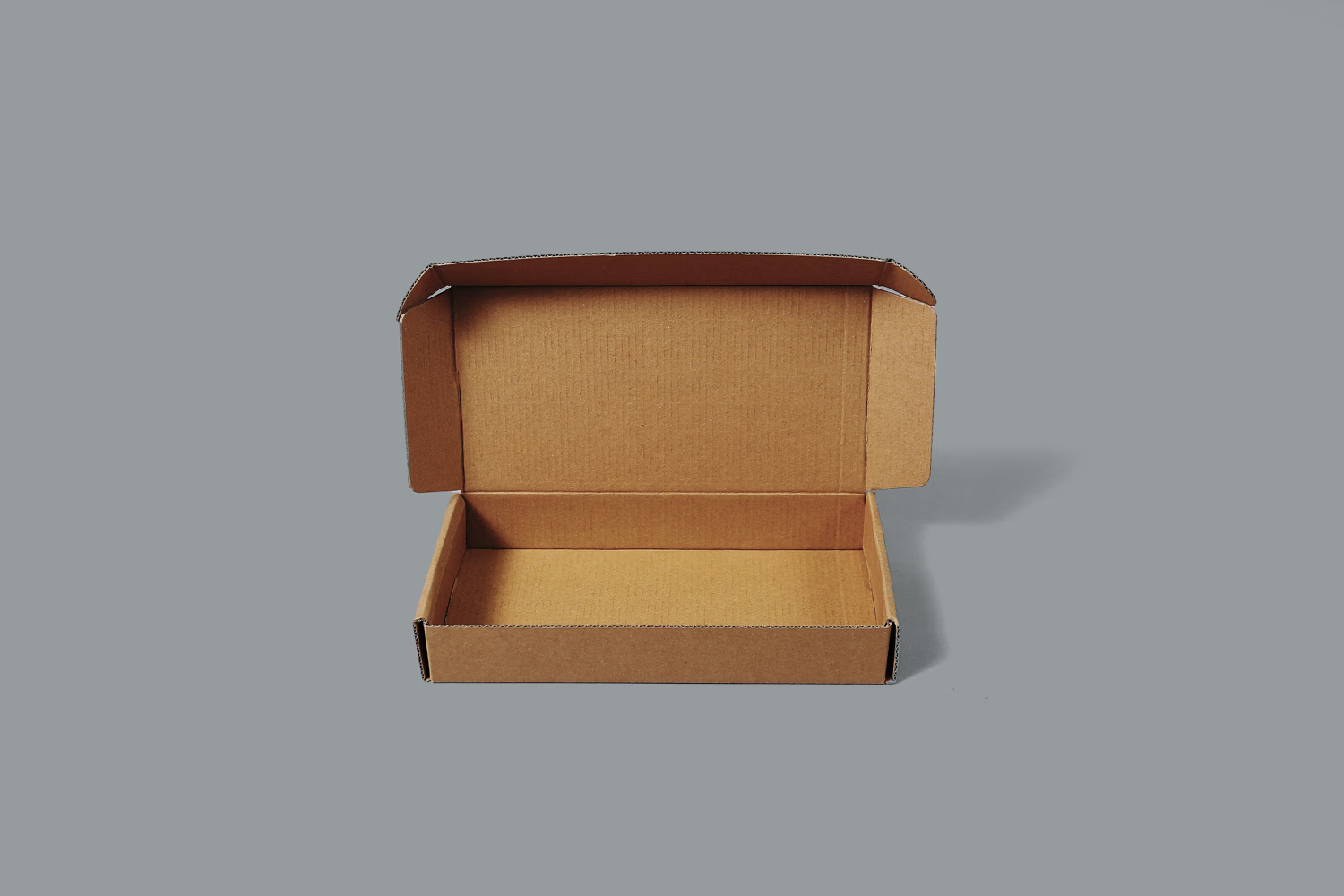
Tableware gift boxes should be developed with their intended distribution method in mind. Products supplied to retail stores may be transported in master cartons, while direct-to-consumer gift sets may require individual protective shipping cartons.
The presentation box provides the internal arrangement and visual finish. Additional corrugated packaging and cushioning may be required to protect the completed set during parcel delivery.
The combined weight of the tableware influences the shipping-carton specification, especially when several ceramic pieces share one package. GS1's packaged-product measurement rules distinguish retail units from outer shipping units and define how their dimensions and gross weight should be recorded. These measurements are useful when confirming the finished gift box and its distribution configuration.
Tableware gift boxes intended for parcel delivery can be evaluated using ASTM D7386 testing for single-parcel delivery systems. The standard provides a testing framework for eligible packages weighing up to 68 kg, helping assess how the complete packaging assembly responds to distribution hazards. The test plan should reflect the intended delivery method and finished package specifications.
What a Tableware Brand Should Provide Before Production
A packaging brief should identify the tableware assortment and the intended presentation. Accurate product dimensions and weights help us assess the box construction, interior layout, and manufacturing requirements.
The following information provides a practical starting point for developing a custom tableware gift box.
Physical product samples are particularly useful when tableware dimensions vary between pieces or when the products have irregular shapes.
We can use the approved information to develop the packaging specification and identify components requiring additional structural consideration.
How Box Specifications Affect Manufacturing Cost
The cost of custom packaging boxes for gift packaging depends on the box dimensions, paperboard construction, insert materials, printing, decorative finishes, and production quantity.
A single-layer box with a die-cut paperboard interior may have different manufacturing requirements from a tiered design containing several shaped protective components. Additional tooling, material consumption, and assembly work can affect the final quotation.
Our custom rigid box projects generally start at approximately 500 units for qualified orders, subject to the agreed specifications. Brands planning several gift set variations should confirm the required quantity for each version so the production requirements can be assessed accurately.
Approving the Physical Tableware Gift Box Sample
The physical sample should be reviewed with the complete tableware assortment inside the box. This provides a more reliable assessment of product support, accessibility, and presentation than an empty packaging prototype.
Before approving mass production, we recommend checking the following areas.
The approved sample becomes the reference for the agreed dimensions, materials, interior construction, and decorative specifications.
Any changes to the tableware assortment or dimensions after approval may require an updated insert or structural sample. These changes should be assessed before production begins.
Conclusion
Custom tableware packaging brings together product protection and gift presentation within one structure. The final design should reflect the dimensions, weight, and surface characteristics of the porcelain or ceramic products, with suitable support for plates, bowls, cups, and accessories.
A well-planned interior helps keep the complete set organized while allowing customers to access the products comfortably. The box structure, inserts, and decorative finishes can then be specified to suit the brand's presentation and distribution requirements.
At GUKA Packaging, we manufacture custom rigid boxes and paper-based packaging around defined product specifications. Brands developing gift packaging for tableware and other delicate products can share your packaging requirements with our team to discuss suitable structures, fitted interiors, and manufacturing options.
Frequently Asked Questions
What type of box is suitable for a porcelain tableware gift set?
Custom rigid boxes with fitted interiors are often suitable for premium porcelain gift sets. Two-piece and magnetic closure structures can accommodate different tableware arrangements, with the final construction depending on the product dimensions, weight, and intended presentation.
How should porcelain plates be arranged inside a gift box?
Porcelain plates can be arranged in fitted compartments or supported stacks, depending on their profiles and the complete set. Separators and supporting components should accommodate the rims, foot rings, and decorated surfaces while maintaining a stable arrangement.
Can ceramic cups and saucers be packed together?
Ceramic cups and saucers can share a presentation box when each product has suitable support and separation. The interior should accommodate cup handles, saucer profiles, and sufficient clearance for safe product removal.
What insert materials are suitable for ceramic tableware packaging?
Die-cut paperboard, protective foam, and molded fiber can provide different forms of support. Material suitability depends on the tableware's weight, dimensions, and surface finish, and should be confirmed using physical product samples.
How much does custom tableware gift packaging cost?
Manufacturing costs depend on box dimensions, structural construction, insert materials, printing, finishing, and order quantity. A defined packaging specification helps manufacturers provide accurate quotations and assess the additional requirements of different gift set variations.
Can tableware gift packaging be used for direct shipping?
Tableware gift boxes can be prepared for direct-to-consumer distribution when the complete package provides suitable protection. Additional corrugated cartons, cushioning, and relevant shipping tests may be required according to the packed weight and delivery conditions.
Recommended for you





You Might Enjoy


Are we right for each other?
We work best with brands that treat packaging as part of the product, not as the last thing on the list. To save us both time, here is who we work with best.
We're probably not the right fit if:
- Orders under $2,000.
- A few boxes, one time.
- Lowest quote wins.
- No conversation, just add-to-cart.
- Brand direction still up in the air. Our FAQ covers the basics first: process, scale, sampling, finishing, production. Worth reading before submitting anything.
We're a strong fit if:
- Projects starting around $2,000 and up.
- Sampling before production makes sense to you. It runs from $300, though complete artwork and locked specs can sometimes skip straight to the line.
- There's real budget behind the packaging, and an expectation that production standards get defined properly.
- What's needed is a manufacturing partner across structure, material, process and delivery. Not a print shop taking a file.
- The box has a job: retail shelf, gifting, unboxing. It has to carry the brand.
- Getting it right matters more than getting it cheapest.
Sound like your project? Let's talk
What happens after you submit
1. A specialist reviews your project, usually within 1 business day.
2. We follow up with questions, options, and indicative pricing.
3. Once the spec is confirmed, we move to sampling.